Good Fats vs. Bad Fats: How to Pick Your Preferred Nutrition to Avoid Severe Health Issues
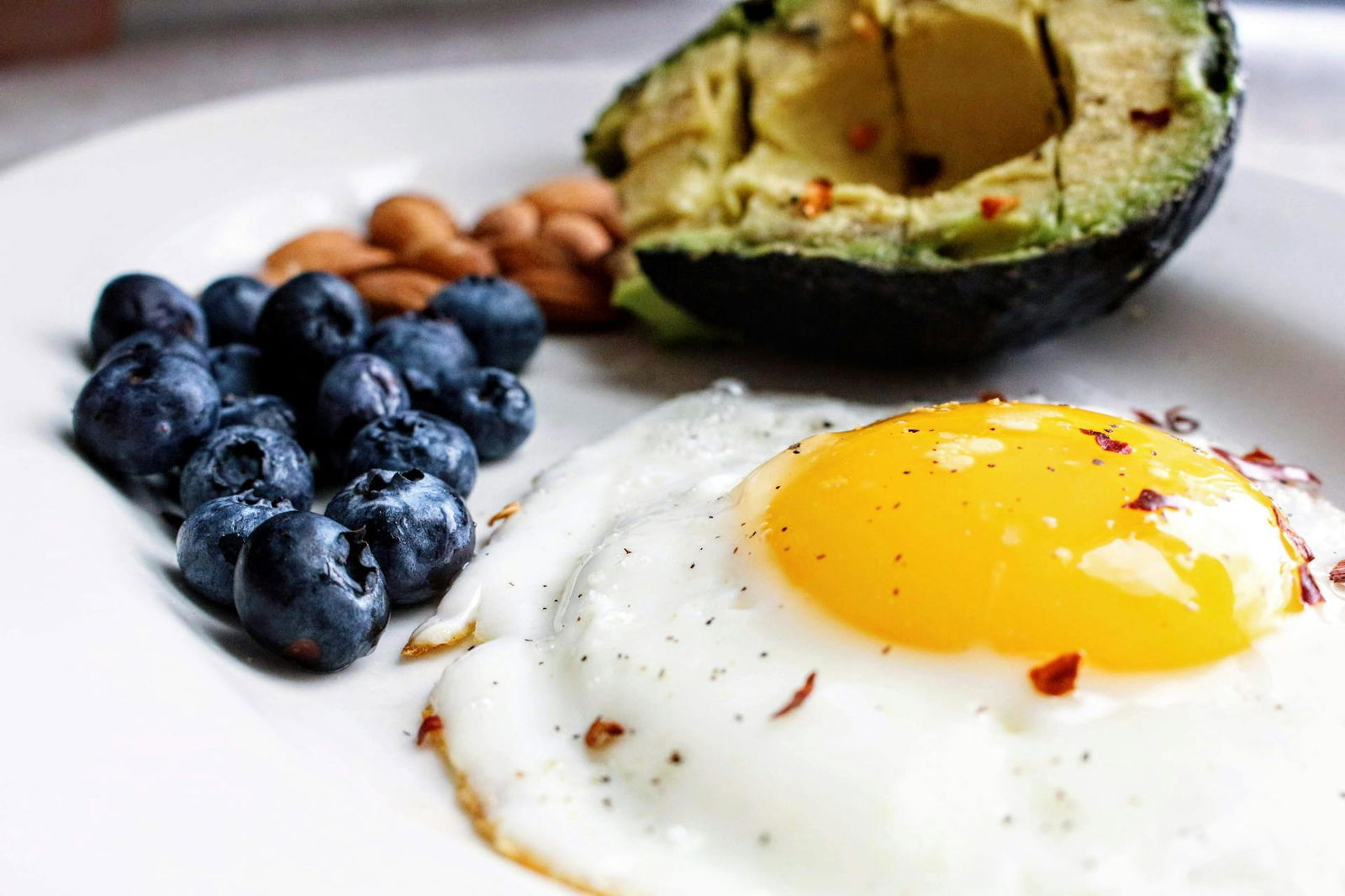
Fats often get a bad name, but your body actually needs them. They give you energy, help your body take in important vitamins, build cells, and keep your nerves and muscles working. In fact, many bodybuilders prioritize healthy fats just as much as their protein intake.
However, that doesn’t mean all fats are created equal, and this deep dive may help you decide which one you should include in your diet.
The Fats That Harm: Trans Fats and Saturated Fats
Trans Fats – Avoid Completely
Let’s talk trans fats first. These are the real troublemakers. You’ll find them in fried foods, baked goods, margarine, and processed snacks. They push up your LDL, lower your HDL, and stir up inflammation. Basically, they’re a one-way ticket to heart problems, diabetes, and stroke. There’s no safe amount, so the best move? Skip them entirely.
Saturated Fats – Limit Intake
Saturated fats aren’t much better either. Think red meat, full-fat dairy, poultry skin, coconut, and palm oil. They can raise your LDL cholesterol. Experts now say the link to heart disease isn’t as strong as once believed, but it’s still smart to keep them under 10% of your daily calories and swap in healthier fats when you can.
via Imago
ClickerHappy/Pexels
The Fats That Protect: Monounsaturated and Polyunsaturated Fats
Monounsaturated Fats – Heart Helpers
Your heart actually loves certain fats, and knowing which ones to pick makes all the difference. Monounsaturated fats, for example, help keep cholesterol in check and lower heart risk. You’ll spot them in olive oil, avocado, peanut oil, nuts, and high-oleic oils. They stay liquid at room temperature, and the Mediterranean diet proves how heart-friendly they can be, even when you’re enjoying plenty of fat.
Polyunsaturated Fats – Essential for Health
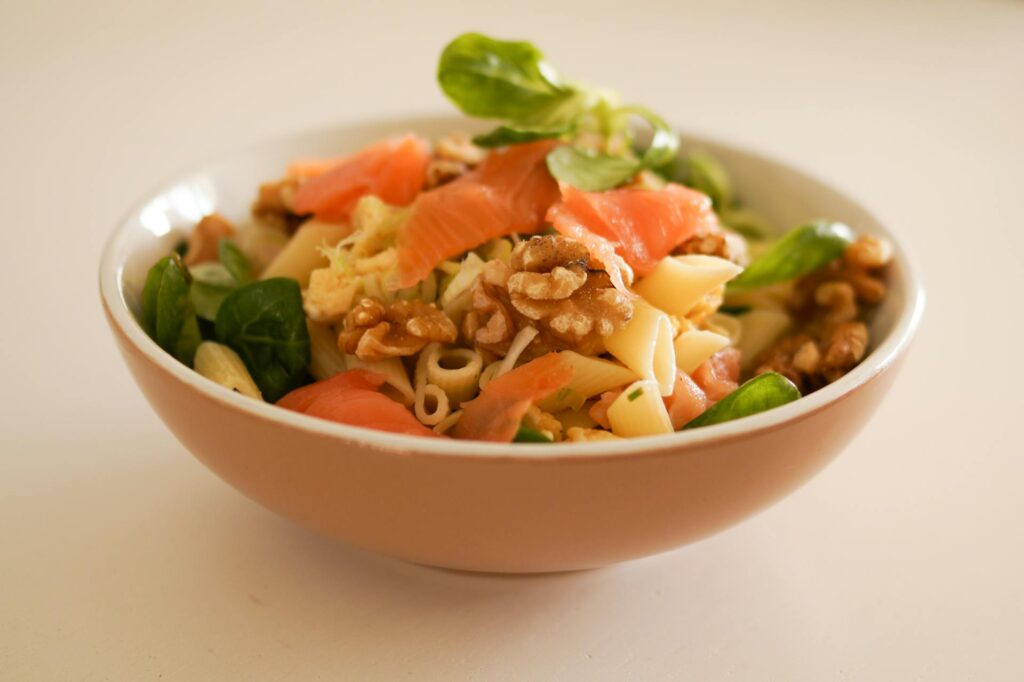
Polyunsaturated fats are another must-have because your body can’t make them. Omega-3s, found in salmon, sardines, trout, flaxseed, chia seeds, and walnuts, help control blood pressure, prevent irregular heartbeats, and reduce coronary disease risk. Omega-6s, in vegetable oils, seeds, and soy, improve cholesterol and cut down LDL. Swapping saturated fats for polyunsaturated fats is a simple, effective way to protect your heart. Yet, it’s as they say, “too much of a good thing can be bad.”
Choosing Fats Wisely: Practical Guidelines
Even healthy fats are calorie-dense, so moderation is key. Avoid trans fats completely, limit saturated fats, and prioritize monounsaturated and polyunsaturated fats. Include foods like fatty fish, nuts, seeds, avocados, and vegetable oils in your diet. These fats help regulate cholesterol, reduce inflammation, and support heart and overall health.
Remember, it’s not about cutting fats entirely but striking the right balance. By understanding which fats are beneficial and which are harmful, you can structure your diet. So what did you think of this guide to choosing the right fats? Tell us if you’ll be switching up some dishes on your plate.
Written by

Mohd Mudabbir Ansari
Edited by

Sagnik Bagchi