Here's How Cardio Affects Your Gains- The Reality of Muscle Growth and Workouts
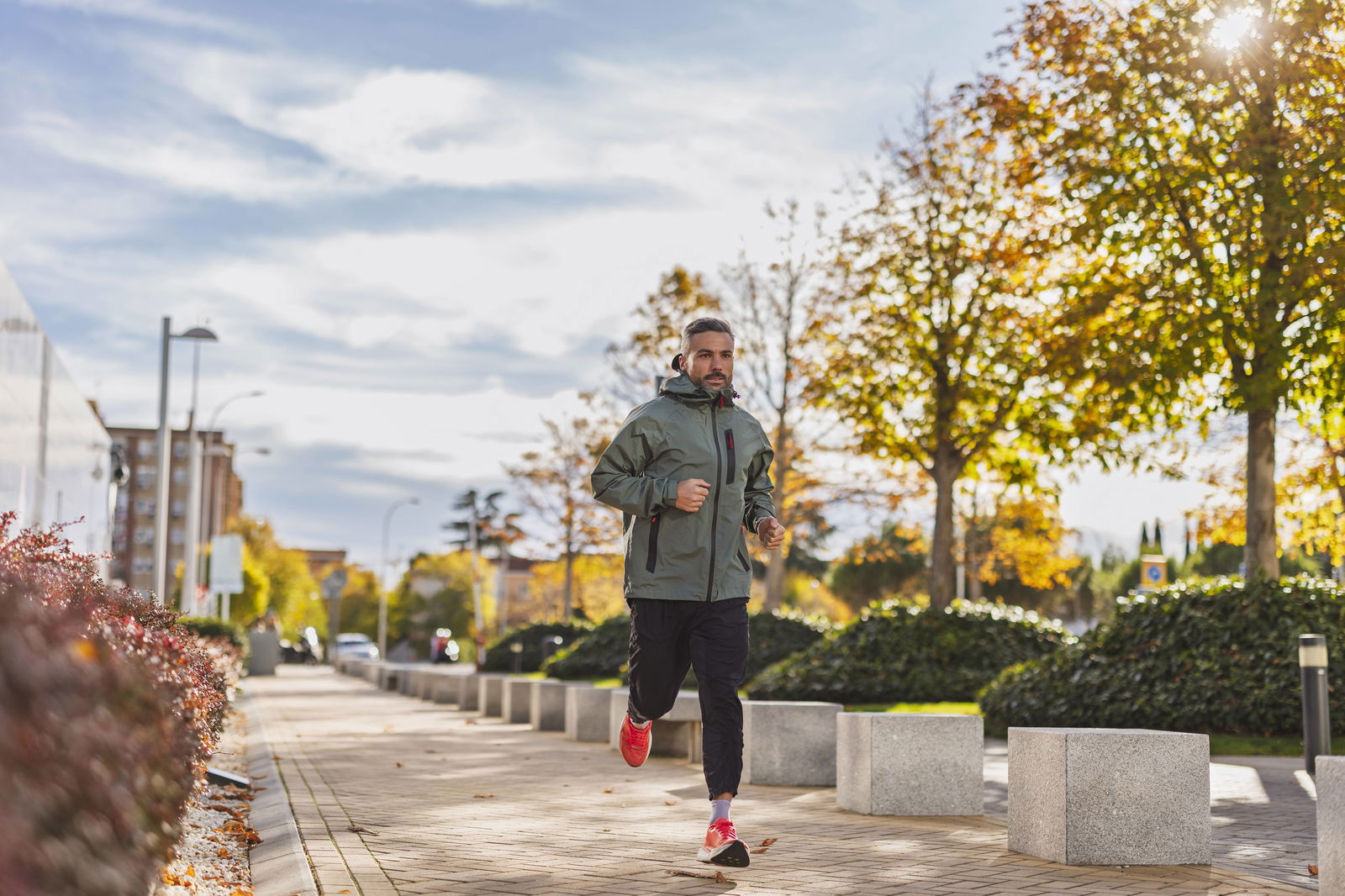
Does cardio kill the gains? Let's understand the truth about muscle growth and workouts with some scientifically backed facts.
For years, the fitness industry treated cardio like a muscle gain's mortal enemy. It stemmed in 1980 when Robert C. Hickson coined the term 'Adaptation Interference' in his study.
According to him, performing strength training with cardio resulted in less gains after 10 weeks compared to pure strength training.
This subsequently became a rule for all gym bros who didn't want to lose their precious gains, and dividing them into being a 'strength guy' or a 'cardio guy.'
But how does cardio affect your muscle gains in reality?
Cardio does not actually hinder your muscle growth. In fact, if timed correctly with your workout, it can enhance recovery, aid in fat loss, and overall improve your workout capacity.
- Fat Loss
If you want to lose weight without losing muscle, then doing cardio will only boost this process. All you need to keep in mind is the timing.
Your glycogen stores are low once you finish lifting, because glycogen is exhausted during strength training, especially high-intensity training (HIT). So, cardio at that time or in a separate session can help burn fat fast.
According to Sports Medicine, the chances of improving body composition increase if resistance training is paired with post-lifting cardio.
2. Muscle Recovery
Cycling, incline walking, and light rowing are known as Low-Intensity Steady-State (LISS) cardio. Including them in your workout will have minimal impact on strength or hypertrophy (increasing muscle cell size).
Performing 1-2 LISS cardio sessions after weight training or during rest days is most effective. You need to understand that your bodily energy is required for your muscle growth, so avoid performing high-intensity cardio before LISS.
LISS cardio helps increase blood flow to ease muscle soreness, reduce stress, and most importantly, improve your sleep.
3. Improves Endurance
Cardio helps optimize your capacity, which can improve your recovery between sets. It automatically allows you to train harder, and when has training harder ever resulted in losing gains?
One thing to remember here is that your performance depends on how well you avoid injuries and optimize maximum oxygen in your body during an intense training session.
This is achieved by doing cardio followed by strength training right after, or alternatively.
Remember, all this is achieved only if you time your cardio correctly. The question "Does cardio affect your gains?" only rose because someone didn't know how to combine cardio and strength training.
To stop you from making the same mistake, you need to understand why that's a bad idea.
If you want to perform high-intensity cardio before lifting, you need to stop immediately. Doing exercises like sprints, long-distance running, or hill intervals before lifting will drain your energy, leaving none for lifting.
This is because high-intensity cardio will deplete your nervous system of energy and muscle glycogen. You won't have any power left, which is essential for weight lifting.
Written by

Ruwa Javed
Edited by

Joyita Das