Per Bernal
Per Bernal
Dec 6, 2025, 4:48 AM CUT
Here’s How Shrug Exercises Help Build Better Shoulder Traps, Common Mistakes, Solutions & Tips
Strong shoulders start with strong traps. These muscles shape the upper back, support shoulder stability, and play a major role in how safely and powerfully you lift. Whether you’re a full-time lifter chasing strength numbers or a casual gym-goer trying to fix your posture and avoid nagging aches, trap development matters. Yet shoulder injuries are becoming more common, often because people perform shoulder movements without control or rely on poor technique. Shrugs, when done right, help build the foundation that keeps your shoulders stable and injury-resistant.
But are shrugs really the best way to build impressive traps, or just the most familiar? Let’s break it down.
Why Traps Matter
The trapezius spans from the base of your neck down to the mid-back and supports almost every upper-body movement. The upper traps elevate the shoulder, the middle traps retract the shoulder blades, and the lower traps stabilize and support shoulder mechanics. Neglecting any of these areas can limit shoulder growth and lead to poor posture or instability.
The Role of Shrugs
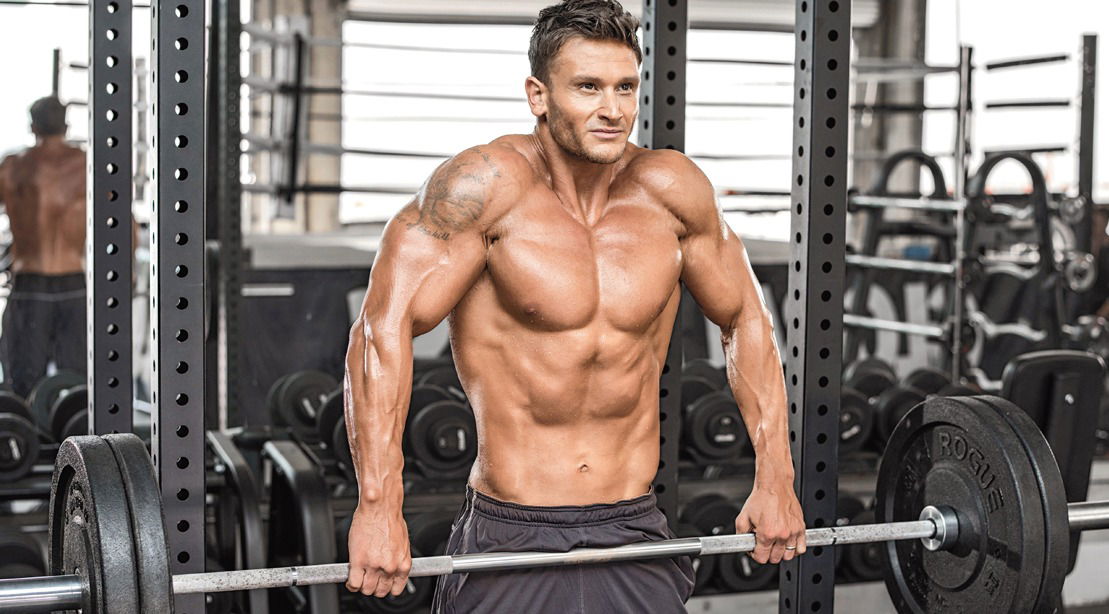
Shrugs target the upper traps directly. They’re easy to learn, easy to load, and great for building strength through progressive overload. When your time is limited, a few sets of shrugs can still support trap and upper-back development. Strong traps also help increase strength in compound lifts like deadlifts and rows.
Limitations of Shrugs
Shrugs mainly work the upper traps. If they’re your only trap exercise, the middle and lower regions remain under-trained. Many people also roll their shoulders during shrugs, which adds stress to the joints without increasing muscle activation. Grip fatigue can also limit performance when using heavy weights.
Better Ways to Build Complete Traps
Shrugs are useful, but other exercises fill the gaps:
- Farmer’s Carries: Excellent for full-trap activation and time-under-tension strength.
- Rack Pulls: Heavy loads build upper and middle traps through isometric tension.
- Face Pulls: Improve posture and strengthen middle traps.
- Rows & T-Bar Rows: Thickens the mid-back and boosts scapular control.
- Prone Y-Raises: Great for isolating and strengthening the lower traps.
- Overhead Shrugs: Add stability and challenge the traps from a new angle.
Common Shrug Mistakes & Fixes
- Shoulder rolling: Keep the movement straight up and down.
- Using too much weight: Control the lift; don’t let momentum do the work.
- Short range of motion: Fully elevate the shoulders and pause at the top.
- Neck straining: Keep the head neutral and relaxed.
Train traps 1–2 times per week, mix heavy lifts with high-rep accessories, and target all three trap regions.
Which shoulder exercise are you enjoying the most in the gym? Tell us in the comments section.
Written by

Amanjeet Singh
Edited by

Joyita Das