
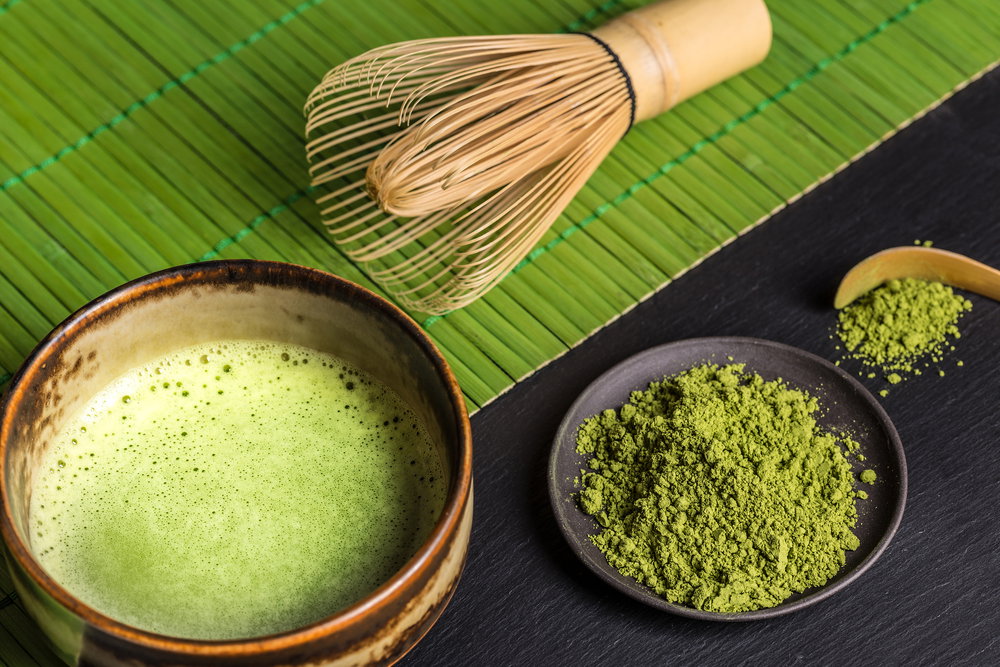
Still life with Japanese matcha accessories and green tea in bowl
Still life with Japanese matcha accessories and green tea in bowl
Nov 25, 2025, 9:30 AM CUT
Here's How To Find The Perfect Caffeinated Coffee Beyond Matcha For Better Health and Energy
Over the last decade, matcha has surged in popularity as a “cleaner caffeine” option, largely driven by scientific evidence supporting its unique blend of antioxidants. A widely cited 2017 study in Food Research International indicates that matcha contains exceptionally high levels of catechins, especially EGCG, which support heart health and reduce oxidative stress.
Due to the combined effects of caffeine and L-theanine, it offers calm energy instead of the jittery spike associated with coffee. These findings pushed matcha to the forefront as a healthier upgrade from traditional brews.
Coffine is a very subjective topic, and people now want caffeine sources that not only energize but also support metabolic health, gut comfort, mental clarity, and long-term wellness.
Matcha opened the door, but newer research leads us to several other beverages that may offer better antioxidant capacity, smoother stimulation, or more diverse bioactive compounds than matcha.
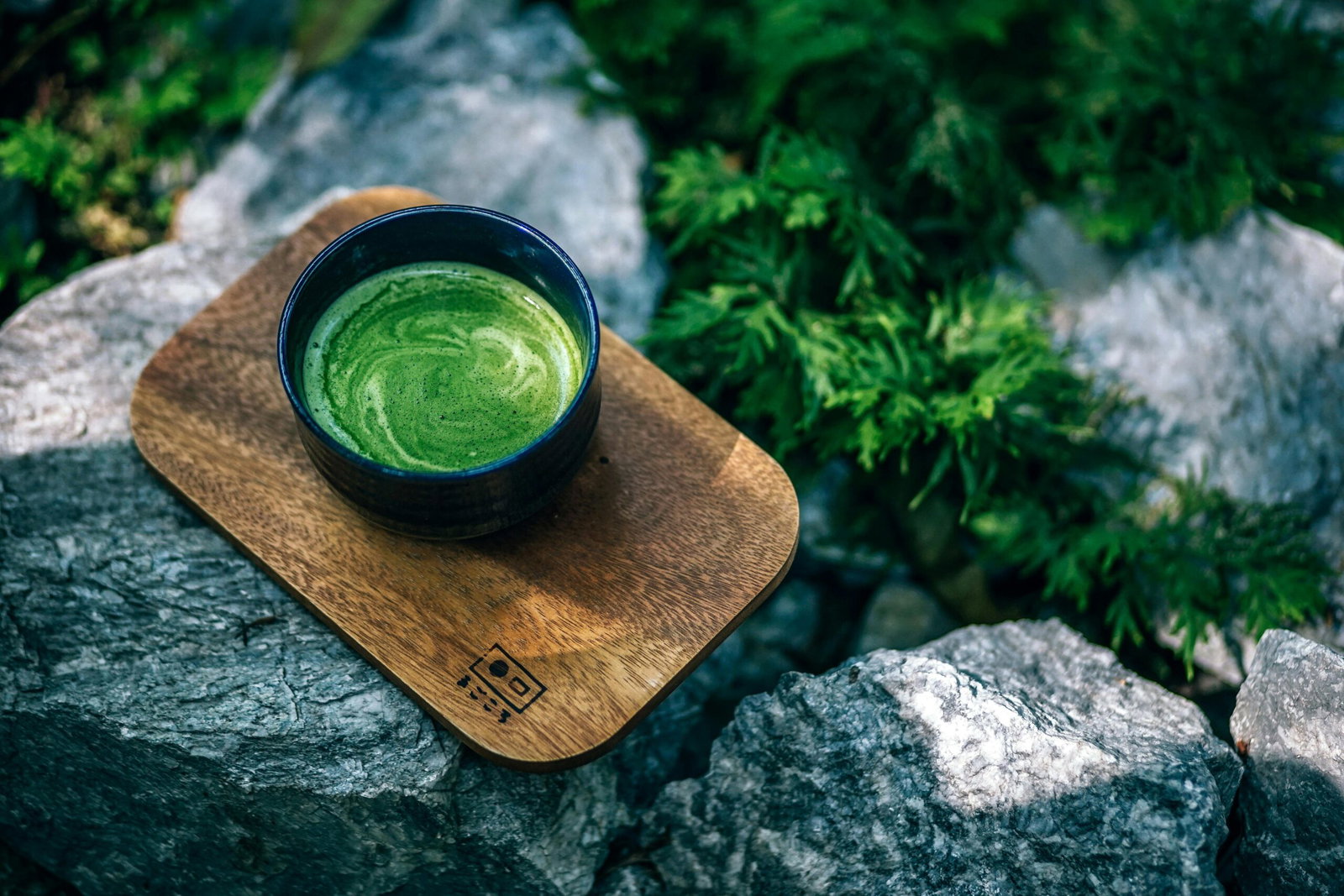
NipananLifestyle.com/Pexels
So buckle up and be ready to find out which caffeinated drink might suit your taste the next morning you wake up.
Here is the list
Yerba Mate: A Strong, Balanced Lift
Yerba mate, brewed from the South American Ilex paraguariensis plant, contains around 40 mg of caffeine per cup, less than coffee but balanced by theobromine and theophylline. Together, these compounds provide smooth alertness without overstimulation. Rich in antioxidants and linked to improvements in LDL and HDL cholesterol, yerba mate offers a grounded, earthy flavor and a steady boost that many find easier on the stomach.
Mushroom Coffee: Lighter Caffeine with Adaptogenic Benefits
Mushroom coffee blends regular coffee with medicinal mushrooms like lion’s mane, cordyceps, or reishi. With 50–80 mg of caffeine per serving, it provides energy without the intensity of a strong brew. Though research is still emerging, these adaptogens may help with stress regulation, immunity, and mental clarity. The flavor remains similar to regular coffee, but the product tends to be more expensive and less scientifically established.
Guayusa: Smooth, Jitter-Free Alertness
Guayusa, an Amazonian holly leaf tea, usually provides 60–70 mg of caffeine. Naturally free of tannins, it brews smooth and non-bitter, making it nearly impossible to over-steep. Its antioxidants, including chlorogenic acid, may support healthy aging and workout recovery. Availability is limited, but loose-leaf versions offer the best potency and taste.
In short, matcha isn’t the final destination; it could be the starting point. As long as you keep experimenting with your morning caffeine hit, chances are higher to get a perfect morning blend. As scientific evidence expands, several alternative brews now provide cleaner energy, gentler stimulation, and broader wellness benefits than a standard cup of coffee. Exploring these options means finding a caffeine source that works with your body, not against it, supporting better focus, smoother energy, and lasting health.
Written by

Amanjeet Singh
Edited by

Oajaswini Prabhu