
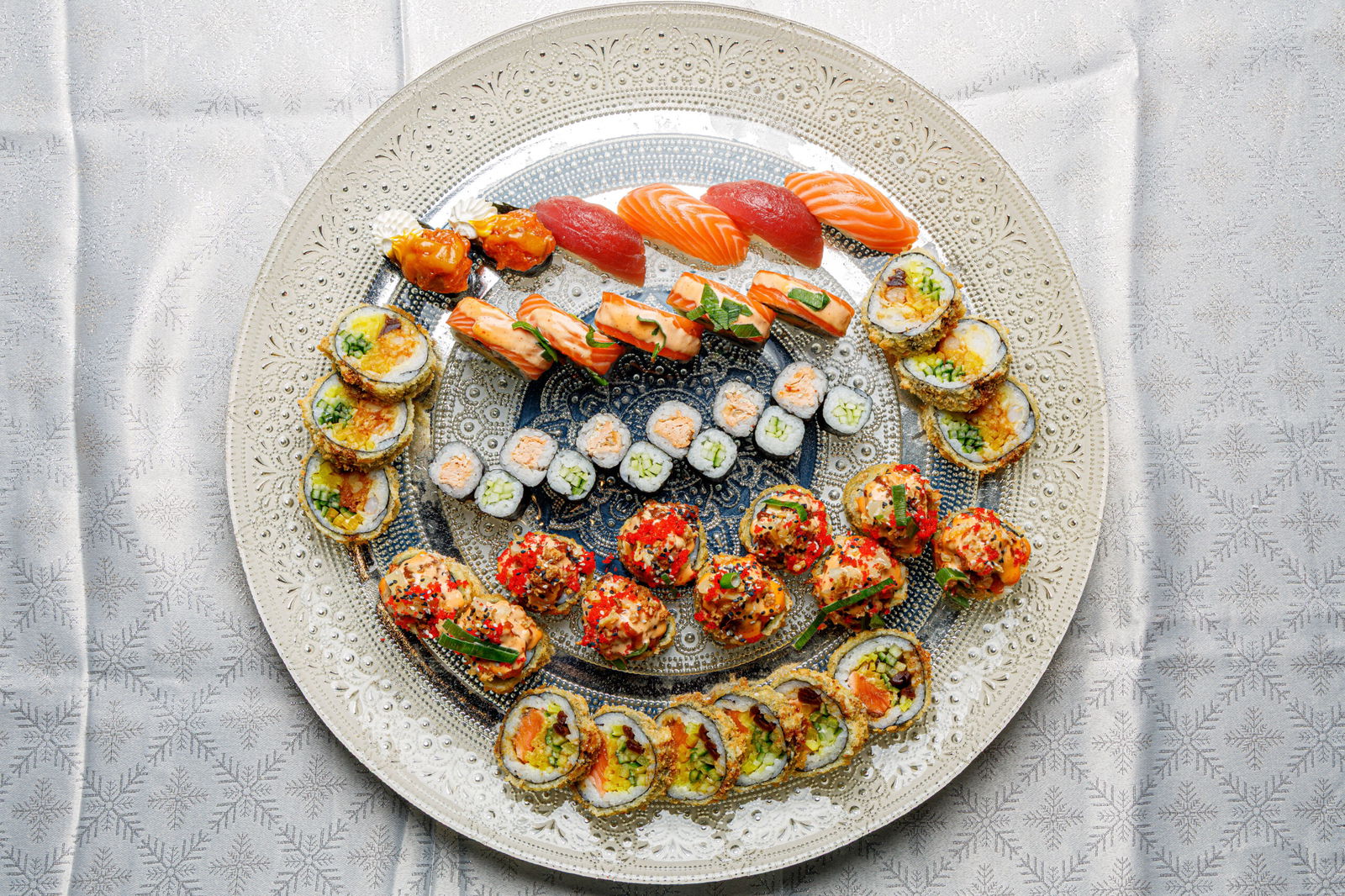
Large sushi set on a beautiful plate on a light background isolated Toru, Kuyavian-Pomeranian Voivodeship, Poland R_ORVG251214E8-1907121-01
Large sushi set on a beautiful plate on a light background isolated Toru, Kuyavian-Pomeranian Voivodeship, Poland R_ORVG251214E8-1907121-01
Dec 20, 2025, 11:00 AM CUT
Here’s How to Pick Your Perfect Fish for a Healthy Diet- Complete Protein Guideline
Did you know that when you consume super seafood, it might help you absorb more nutrients than other forms of meat? Fish is one of the most important sources of protein available. Not only does it have a high protein concentration per gram, but it is also one of the most nutrient-dense foods.
Essential fats, micronutrients, and much more, that’s the quality of a fish. But how can you choose the best fish out of the lot? Let’s find out.
Focus Beyond The Facade of Lean Protein
While consuming animal proteins, there’s a general rule to prioritize lean protein, but what does that mean?
“Lean protein” typically refers to animal sources containing ≤3 grams of fat per ounce. For example, chicken breast and pork tenderloin.
Fish aren't actually considered a lean protein source. They are quite fatty because they are rich in omega-3 fatty acids, which have it’s own proven benefits such as good heart health and longevity. While picking fish, just throw your lean meat thoughts out of the window.
Beware of The Mercury
Mostly, rather than raking fresh, people just rely on canned tuna for inexpensive protein. However, what they don’t know is the fact that canned tuna contains higher levels of mercury.
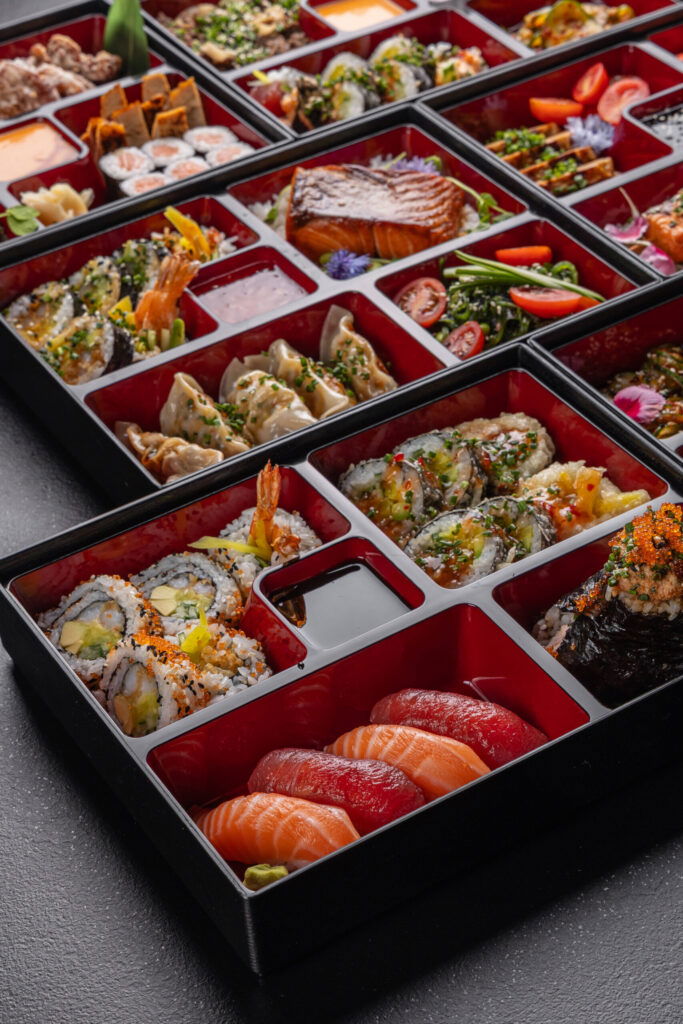
Huge bento box with Japanese cuisine dishes Warsaw, Masovian Voivodeship, Poland CR_ORVG251214-1899203-01
Huge bento box with Japanese cuisine dishes Warsaw, Masovian Voivodeship, Poland CR_ORVG251214-1899203-01
As per consumer reports testing, popular canned tuna brands vary widely, with some products containing concerning amounts of mercury while others are comparatively safe. It is advisable to take light tuna varieties, which generally have less mercury than white tuna (albacore)
Frozen Can Be Better Than Fresh produce
Many believe fresh produce is always better, but the reality is more nuanced. While this is often true, it doesn’t mean frozen tuna is bad. Frozen fillets are economical and come in different varieties, and on the bright side, they can be cooked directly from the freezer.
Upgrade Your Salmon for Protein and Omega-3s
Salmon is among the most protein-rich fish in the ocean; however, one should be vigilant when selecting it. When purchasing canned salmon, it is considerably better to prefer sockeye over pink as they provide more omega-3s and vitamin D per gm. While the protein content remains the same, about 23g per 100m.
Small Fish and Shellfish Are Nutrient Powerhouses
Do not take the smaller fishes lightly! Smaller Oily fish, such as sardines and anchovies, are not only tasty but are rich in protein, omega-3s, and vitamin D, and that’s not all, they have fewer toxins as well.
Cook for Nutrition and Texture
Fish cooks faster than meat; using moderate oven temperatures and cooking to an internal temperature of 145°F helps retain moisture and nutrients. Quick methods like microwaving in parchment paper can trap steam and keep fish tender without drying out.
Written by

Suryakant Das
Edited by

Siddharth Shirwadkar