

Lidl Supermarkt, Lebensmittel-Discounter, Kasse. Volles Kassenband nach dem Einkauf. Kunden, die nur ein Produkt oder wenige Artikel kaufen, werden heutzutage nur noch selten vorgelassen. Was frueher ganz normal und selbstverstaendlich war, ist nach Corona unnormal *** Lidl supermarket, discount grocery store, checkout Full checkout line after shopping Customers who buy only one product or a few items are rarely allowed in front nowadays What used to be quite normal and natural is abnormal after Corona
Lidl Supermarkt, Lebensmittel-Discounter, Kasse. Volles Kassenband nach dem Einkauf. Kunden, die nur ein Produkt oder wenige Artikel kaufen, werden heutzutage nur noch selten vorgelassen. Was frueher ganz normal und selbstverstaendlich war, ist nach Corona unnormal *** Lidl supermarket, discount grocery store, checkout Full checkout line after shopping Customers who buy only one product or a few items are rarely allowed in front nowadays What used to be quite normal and natural is abnormal after Corona
Jan 10, 2026, 4:00 PM CUT
Hidden Dangers In Popular Diets: The Reality of Nutritional Value and Impact
With many people choosing to eat right, the wellness industry is booming. But are these popular diets nutritious, or do they harbor hidden side effects?
Dietary habits are a significant concern in our lives, and limited nutritional knowledge, little regulation, and misleading labeling trick consumers into thinking many popular diets are good for them.
Here are some health risks associated with popular foods
1. Protein Powders
Let's begin with protein powders. While protein powders are the most popular supplement, with trusted brands doing their due diligence to provide the highest quality product, not all brands are the same.
What is often marketed as an efficient supplement to build muscle may contain added sugar, which can turn a glass of milk into a 1200-calorie drink. It can lead to high blood sugar and weight gain.
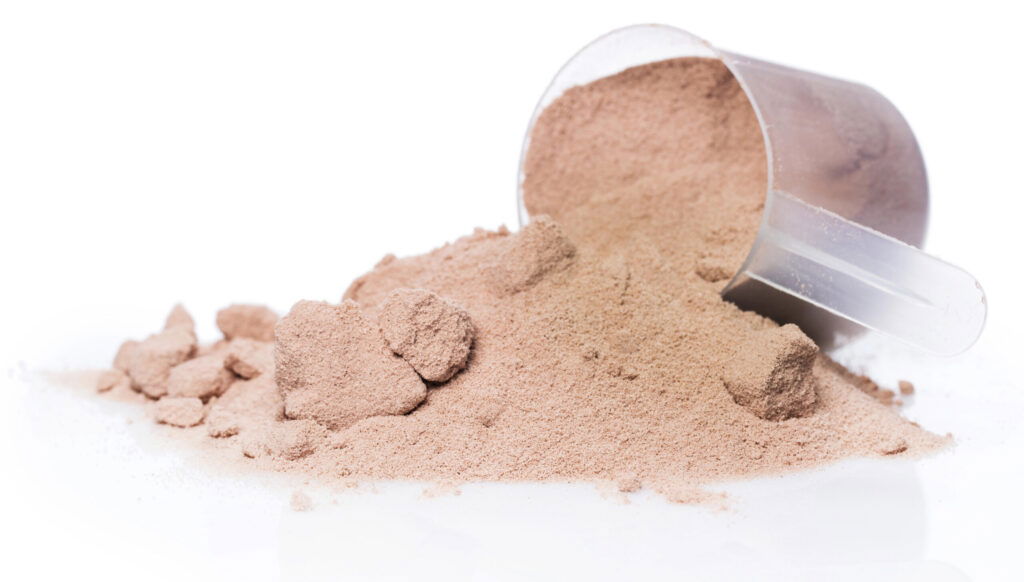
Whey protein powder and scoop
Whey protein powder and scoop
A report by the Clean Label Project revealed the use of artificial additives, and, alarmingly, metals like lead and BPA, the same substance used to make plastic. These metals can lead to cancer and increase the chances of other long-term health risks.
2. Ultraprocessed foods & Popular foods
Studies published in the Nutrition Journal and the American Journal of Preventive Medicine state that candies, chips, and breakfast cereals are not good for your health. They are linked to heart disease, obesity, type 2 diabetes, chronic illness, and even premature deaths.
Keep in mind that these products are designed to increase shelf life and contain added flavors, so all you consume is added salt, unhealthy fats, and zero nutritional value.
But that's not all, even 100% fruit juices, refined grains, and popular foods like sushi are a bed of high sugar content, toxic metals, ADHD, and heart ailments.
3. Diet food & Cleanses
The first thing that comes to mind when someone decides to follow a healthy lifestyle is either starting a diet or going for a detox. While intermittent fasting, keto diet, and juice cleanses have been known to help people lose weight, they may have long-term risks especailly if you follow them loosely.
a. Intermittent fasting
Research done by Templemen in 2020 showed intermittent fasting leads to episodes of binge-eating, hormonal imbalance, and increased stress levels in some people, proving that intermittent fasting is not for everyone.
Women were more prone to these risks, along with increased risks such as irregular periods and fertility issues.
b. Juice cleanses
Juice cleanses are a popular way to detox your body, improve digestion, and lose weight. Yet, according to the National Institute of Diabetes, Digestive, and Kidney Disease, the lost weight isn't fat, but water, muscle, and glycogen.
Detox teas also contain laxatives that lead to dehydration, heart diseases, and disparity in electrolyte imbalance.
These cleanses work only if paired with a balanced diet, not as a meal substitute. And don't worry about detoxing your body, your liver, and kidneys are there for this exact purpose.
c. Keto diet
When the body is put in a ketosis state, it burns fat instead of carbohydrates, resulting in rapid weight loss. That is the whole crux of the keto diet. Many people have tried this diet and seen great results, but these are just short-term benefits.
If not done correctly, they can lead to serious long-term health issues.
People often choose ultra-processed options instead of whole foods, and that can have serious implications, like nutritional deficiencies, increased bad cholesterol, and poor gut health. So, it's always better to start this diet under expert supervision.
Written by

Ruwa Javed
Edited by

Sagnik Bagchi