Freepik
Freepik
Jan 26, 2026, 1:35 PM CUT
How to Master Calf Exercises: Variations, Common Mistakes to Avoid and More
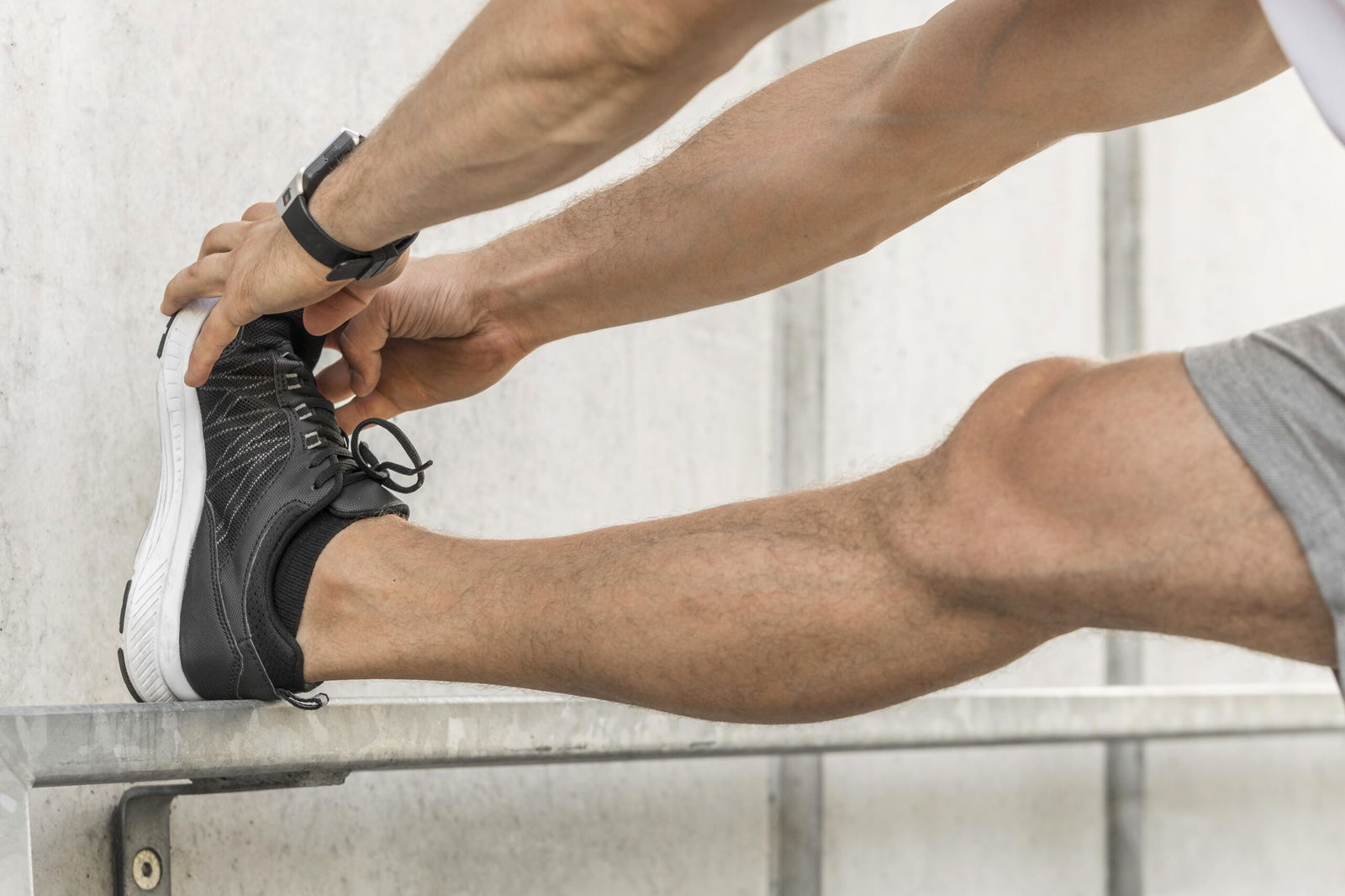
Strong calves help you move around better. While training, everyone focuses on their chest, biceps, and glutes, and calves are treated like the middle child of a family.
Only if people knew what wonders training their calves properly could do for them! They don’t even require special care, just the right technique, some variety, and a little patience.
How to master calf exercises?
Our calves comprise two primary muscles: One being the gastrocnemius, which runs from the back of the knee to the heel. They are responsible for standing upright, walking, jumping, and more.
The second type of muscle is the soleus muscle, which runs beneath the gastrocnemius. It supports the skeleton and helps maintain balance.
These two muscles need to be in prime condition for efficient movement and long-term mobility. And calf raises aren’t the only way to do it; here are some variations you can try.
- Seated calf raise: It stresses the soleus muscle and helps increase the overall calf thickness and strength.
- Double-leg standing calf raise: It helps shape the calf into the diamond shape by focusing on the gastrocnemius.
- 45-degree leg press calf raise: It improves the gastrocnemius muscle by stretching it.
- Standing machine calf raise: With your knees straight, the focus is on your calves as you lift weights with a full range of motion and control.
- Seated dumbbell calf raise: Keeping your knees bent while you hold weights over your thighs helps thicken the size and strengthen the soleus muscle.
- Donkey calf raise: The motion of bending your hips forward stretches your calves and contracts them.
- Smith machine calf raise: Keeping a bar on your back helps build the calf muscle and improve your balance.
- Seated barbell calf raise: It emphasizes the soleus muscle and focuses on depth, longevity, and size.
- Cable calf raise: It puts pressure on the calf, improving control and squeezing the muscle.
- Jumping rope: This exercise improves reactive strength and calf definition and builds coordination.
Common mistakes to avoid during calf exercises
- Be consistent with these exercises.
- Remember to stay hydrated for muscles to function properly.
- Don’t rush through these exercises; keep a slow pace.
- Don’t be shy to ask for help; it’s better than injuring yourself.
- Don’t do half reps; they will yield half results.
- Remember to increase the load gradually.
- Variation is the key to success; keep switching between heavy loads and light loads.
Written by

Ruwa Javed
Edited by

Joyita Das