Freepik
Freepik
Nov 26, 2025, 11:00 AM CUT
How To Master the Military Press or Overhead Press: Complete Guide and Tips
The military press has earned its place as one of the most respected movements in strength training. It’s a foundational lift for anyone looking to build powerful, well-developed shoulders. Often referred to interchangeably as the overhead press, shoulder press, or strict press, this exercise challenges the body in ways few others can.
Let's take a peek at how the exercise works and the small adjustments that can help lifters avoid injury while maximizing strength and muscle growth.
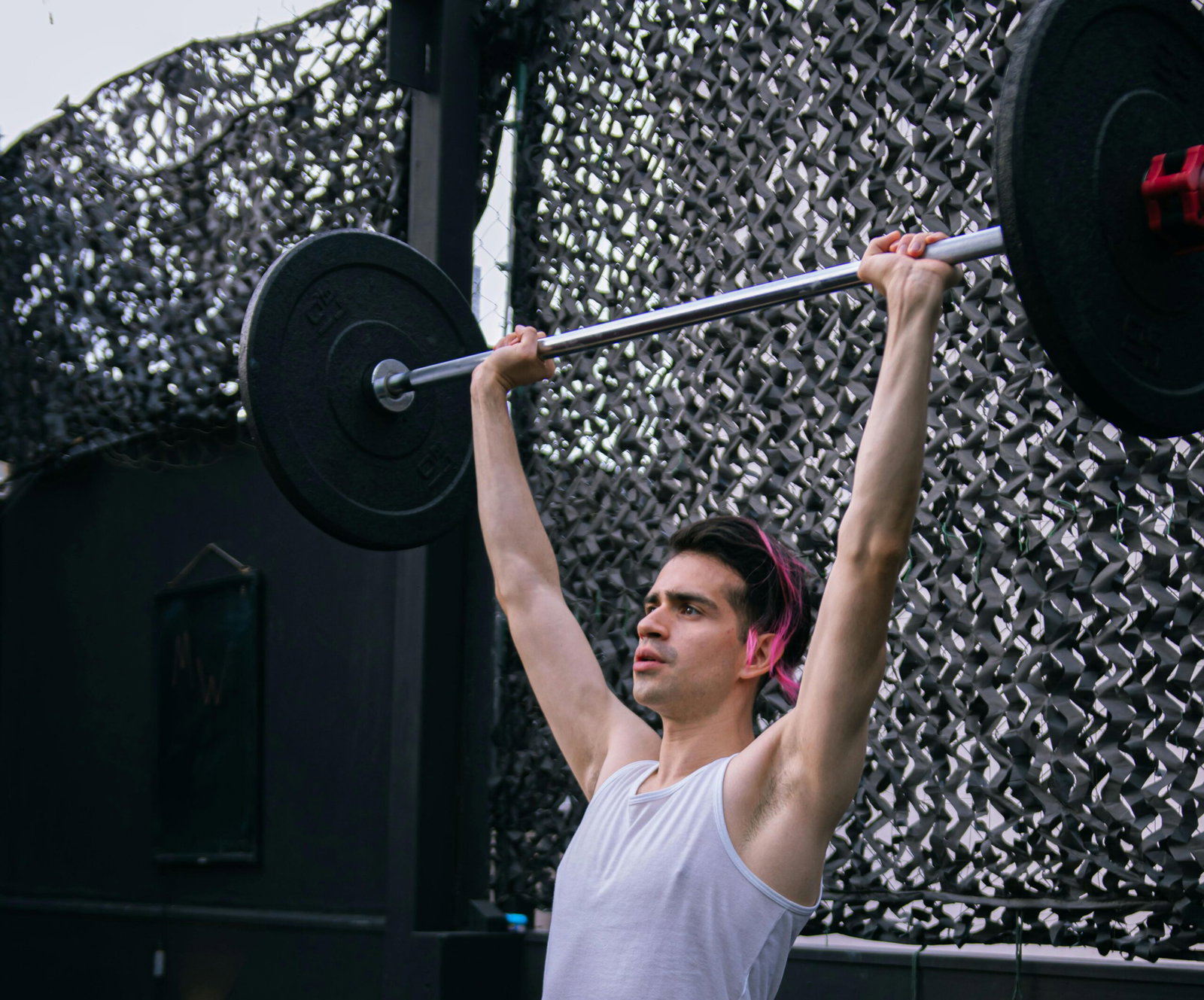
Ali Alcántara/Pexels<br>
Ali Alcántara/Pexels<br>
Why the Military Press Is So Effective
At its core, the military press is a compound lift that primarily targets the deltoids. However, its benefits go far beyond shoulder development. Because the movement is performed standing, the entire core, your abdominals, obliques, and spinal stabilizers, must remain engaged to keep your torso upright. The triceps contribute heavily to locking out the bar, creating a full upper-body challenge that improves pressing strength across multiple movements.
Variations to Improve Strength and Shoulder Development
Lifters can adjust the military press to target different angles of the shoulder or accommodate limitations. Popular variations include the seated military press, dumbbell press, Arnold press, Smith machine overhead press, and behind-the-neck press (used cautiously). Alternating between these versions can help prevent plateaus and strengthen weak areas of the deltoid.
How to Perform the Military Press Correctly
To begin, set the bar just below shoulder height and grip it with your hands at or slightly wider than shoulder-width. Step underneath, unrack the bar while bracing your core, and take a couple of steps back. Tuck your chin, inhale, and press the bar upward in a straight path until your arms reach full lockout. Lower the weight under control back to the starting position and repeat.
Essential Technique Tips
Several cues can make the lift safer and more effective:
- Reach tall at the top without shrugging.
- Keep elbows close at the bottom but allow them to flare slightly at the top.
- Maintain neutral wrists by “driving your knuckles upward.”
- Avoid leaning back or using knee drive; this should remain a strict movement.
- Squeeze your glutes and core to prevent excessive arching.
- At lockout, your biceps should align with your ears, indicating a proper overhead position.
If shoulder discomfort occurs, experimenting with grip width or trying a regression such as the half-kneeling overhead press may help.
Mastering the military press requires attention to technique and an understanding of how the movement recruits multiple muscle groups. Whether your goal is strength, muscle definition, or better upper-body control, refining this lift will bring noticeable results.
So, what is your PR(Personal record) in the military Press? Let us know in the comments section below.
Written by

Amanjeet Singh
Edited by

Joyita Das