
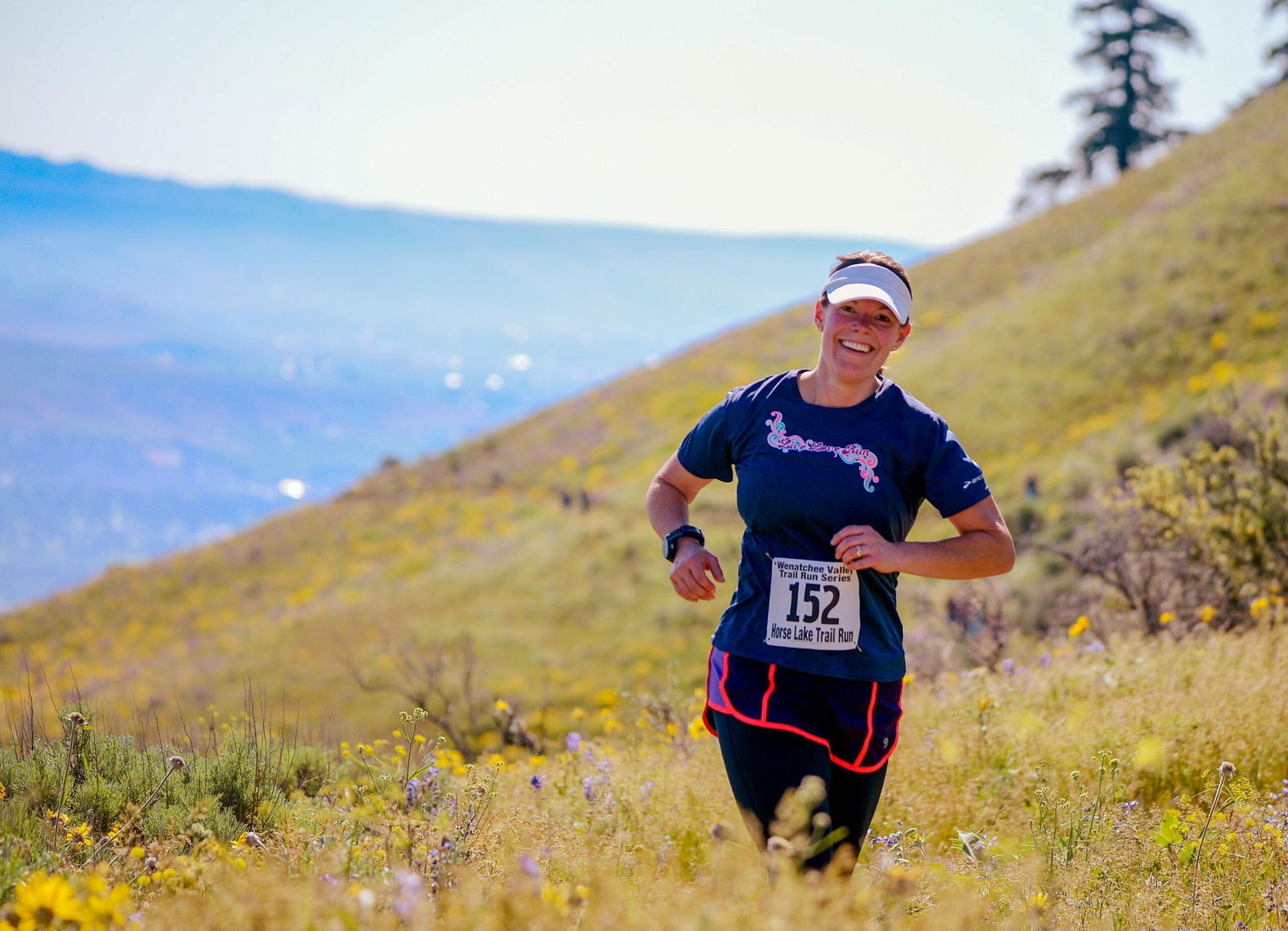
Frank Cone via pexels
Frank Cone via pexels
Jan 8, 2026, 1:00 AM CUT
How to Train for Trail Running: A Practical Guide to Safety and Performance
Trail running enhances endurance, boosts muscle strength, and supports joint health. Unlike running on a track designed for the activity, trail running also introduces an element of strategy.
However, how you approach a course could be the difference between you winning the race or getting exhausted halfway through. It's no wonder reports indicate that the activity is growing 12% annualy, so the question is: How do you train for trail running?
Focus on dynamic mobility
Like any physical activity, the first step to training safely is to warm up.
- First, you need to warm up joints and tight areas like ankles, thoracic spine, and glutes. These body parts take most of the stress during trail running, so it is important to loosen them.
- It is suggested to do 5 to 8 minutes of cycling, focusing on movements such as leg swings, calf raises, ankle circles, and torso rotations. These will open the glue areas, boost upper-body mobility, and prepare the lower legs for uneven steps, respectively.
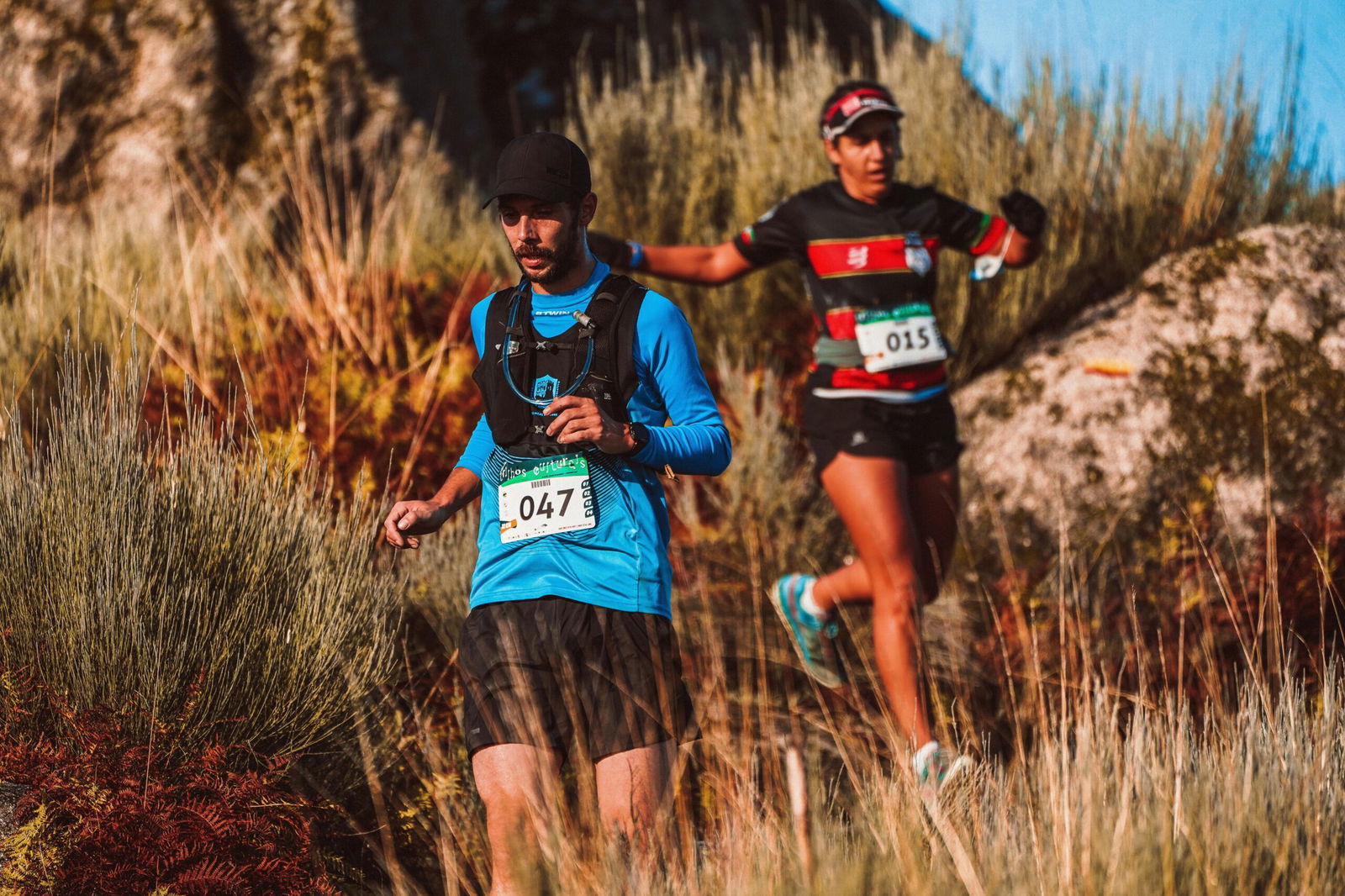
RUN 4 FFWPU via pexels
RUN 4 FFWPU via pexels
Transitioning to running specific preparation
- After freeing the joints, it's time to focus on specifics. For this, it is suggested to follow workouts like forward matching with proper posture and foot placement, high knees, A-skips, lateral shuffles, and ankle hops.
- End this with some stride-outs and slight uphill runs. This will gently wake up the legs and increase the heart rate. This makes trail running and climbing easier.
Some safety measures and guidelines to follow for a better performance
- Trail running is an endurance sport, so you need to maintain hydration levels. It is suggested to drink before starting the run and to continue sipping throughout the run. It is suggested to drink 4 to 6 oz every 20 minutes. In the long run, you can add electrolytes to their water.
- If you run for more than 60 minutes, it is recommended to add some carbohydrates to help delay fatigue. Consuming 30-60 gm of carbs per hour in the form of dried fruits, chews, and dates can boost energy levels.
- Post-run recovery is important. Within 30 minutes of finishing a trail run, refuel with water, electrolytes, and snacks that provide protein and carbohydrates.
So, did you find this guide helpful? Tell us in the comments.
Written by

Supradeep Dutta
Edited by

Sagnik Bagchi