Credits Instagram
Credits Instagram
Jan 17, 2026, 10:00 AM CUT
How UFC Fighters Get Lean Without Losing Muscle Mass: Workout Tips and Diet
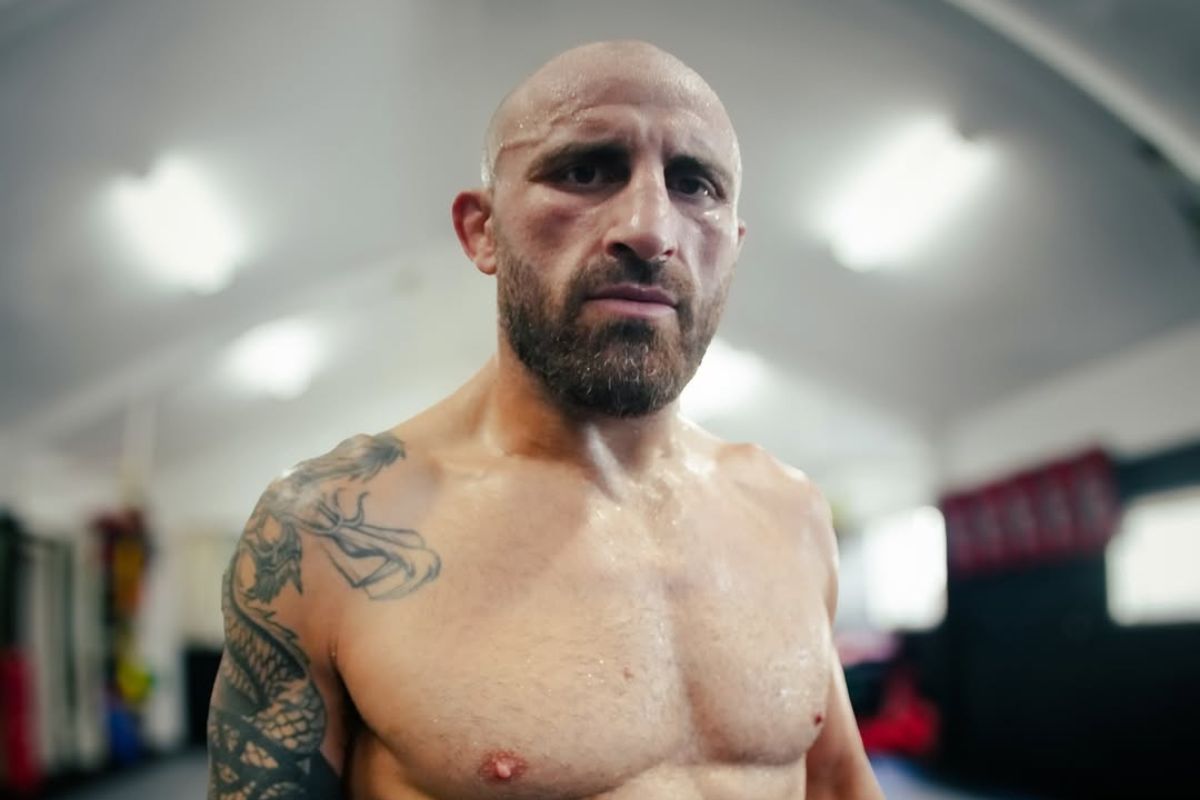
Cutting weight is arguably one of the most difficult tasks for a UFC fighter. While fighters can notably drop even 20 pounds, the process is far from traditional dieting and involves the water-cutting technique.
But how do they do it without cutting any necessary muscle mass? Let’s find out.
Understanding Weight Cutting vs. Fat Loss
In MMA, weight cutting is not about fat loss. In the final days before the official weigh-ins, fighters shed the excessive water in their body not the fat or muscle. Fighters use multiple methods, such as sauna, hot baths, and water restriction.
This is achieved by manipulating water, sodium intake, and carbohydrate stores so the body releases fluid safely. These techniques help the fighters to have a proper weigh-in, and then come in with their actual weight on the day of the fight.
The lightheavyweight phenom Alex Pereira is known for this feat, weighing around 185 pounds during weigh-ins and later replenishing, appearing massive while in the cage, rebounding at 210 pounds on average.
Diet Strategies to Preserve Muscle
Muscles are built when you eat and sleep, not just in the gym. Training matters, but getting proper rest and nutrition matters even more.
High Protein Intake
A high-protein intake supports muscle protein synthesis. In addition, most of their meals are relatively low in calories. According to scientific recommendations, combat athletes take nearly 2.4 grams per kilogram of body weight daily.
Balanced Macronutrients
Not only proteins, but they also take adequate fats (20–35% of calories) and controlled carbohydrates as well, which helps them maintain the energy and hormone levels.
Avoid Crash Dieting
A long-term caloric restriction slows the metabolism, which in turn accelerates muscle loss. Fighters don’t indulge in a long-term weight loss journey; they focus on gradual weight loss over time, preserving strength and recovery.
Training Protocols for Lean Muscle
UFC fighters are not heavy lifters, but they still have chiseled, functional physiques. That’s because they don’t focus on lifting heavy weights, but rather on functional growth.
Resistance Training: Compound movements with moderate loads are the key to stimulating muscle retention without excessive fatigue.
Recovery Time and Sleep: Recovery happens when you take your beauty sleep. At least seven hours of proper rest in between sessions is required for muscle repair and hormonal balance.
Hydration: Yes, the fighters dehydrate themselves during the weigh-ins, but apart from that, they take as much water as possible for muscle function and metabolic processes throughout fat loss phases.
If you are into MMA, what techniques work best for you? If you are someone who is thinking to start, what is your plan? Discuss in the comments!
Written by

Suryakant Das
Edited by

Joyita Das