Is Spinal Flexion Harmful in Squats and Deadlifts? Here’s What Science Says About Back Safety
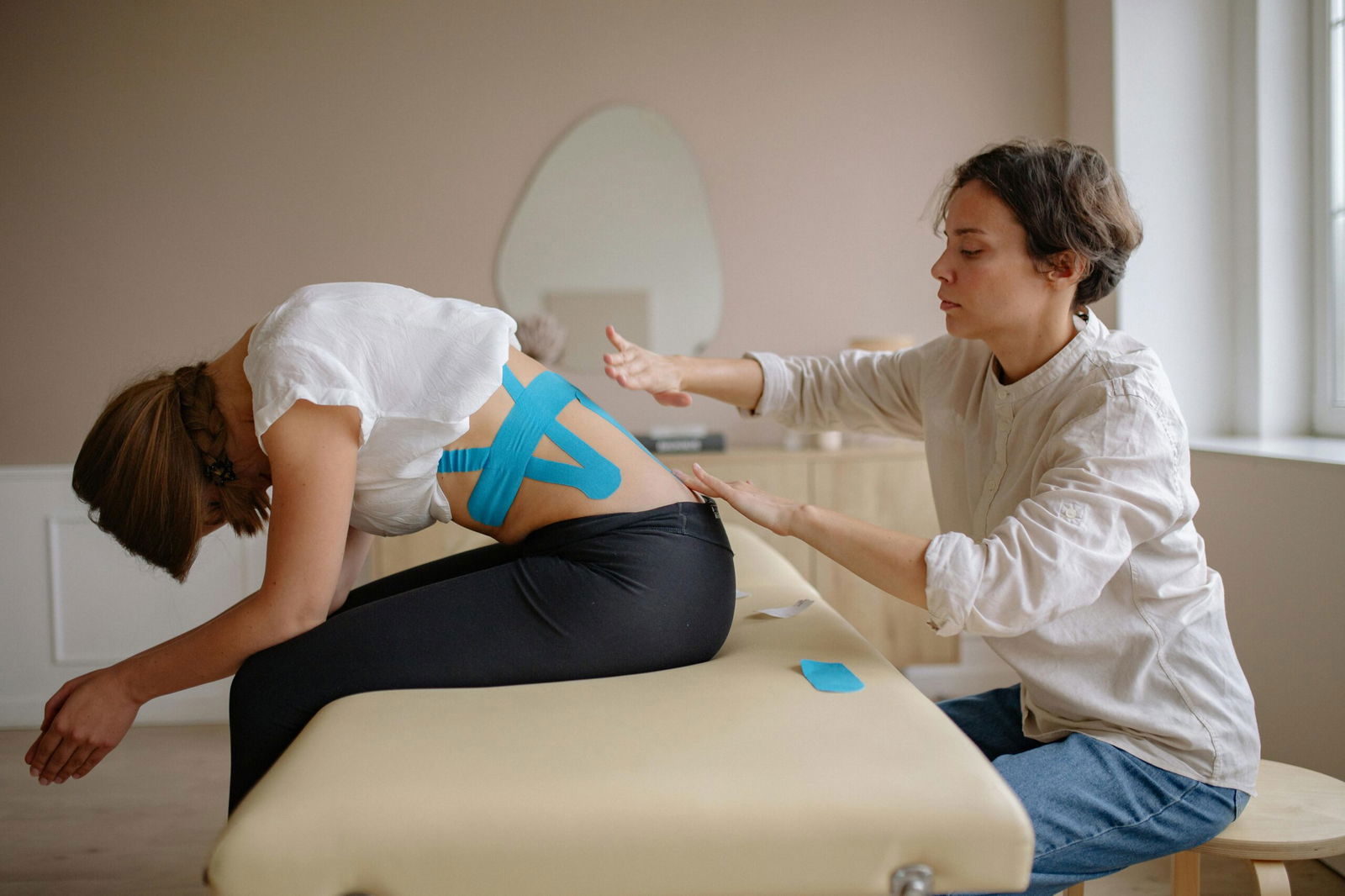
Experienced lifters ensure that they don't bend their spine under load, especially while doing squats or deadlifts. However, new research suggests the dangers of spinal flexion are far more complex.
Why it can be risky to bend the spine during load
In the neutral spine position, the load is well distributed along the spine, and strain on ligaments and discs is significantly reduced. Yet, when the spine flexes, shearing stress increases, and discs are more prone to injury with fewer reps, which is why lifters suffer disc herniations in the lower back.
Mainly, this outcome is based on animal studies, models, and cadavers, few human studies also address these issues. Studies have found that decreasing lumbar flexion can also help reduce back pain and accelerate recovery in some cases.
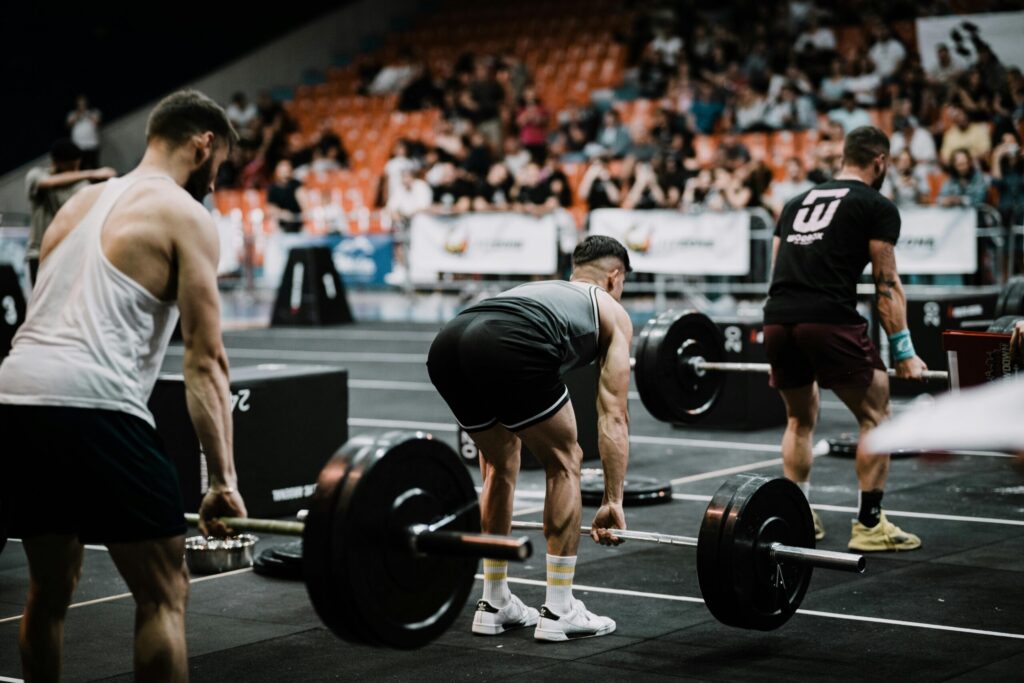
via Imago
Ardit Mbrati via Pexels
That is why many coaches and scientists still advise keeping the spine close to the neutral range during heavy weight lifting.
What to do in a practical scenario
Several human studies, and one can experience firsthand, show that it is totally impossible to completely lock the spine during movements such as deadlifts and squats. In fact, experienced and skilled powerlifters and Olympic lifters exhibit some spinal movement during these exercises, even though they try to stay within the neutral range.
So, the aim is not zero movement, but rather to avoid end-range flexion while lifting a heavy load. Research on manual laborers also revealed mixed results, but few showed a harmful impact from lifting during neutral spine.
Expert coaches also support the stance. They stated that several lifters reported back pain during excessive bending or posterior pelvic tilt; the issue often resolves when the lifter corrects their technique or exercise.
So, current evidence did not support either extreme (highly neutral or over-bending). This doesn't mean a lifter should move like a robot, but allowing excessive spinal flexion under load does increase risk. The ideal approach is to stay within the neutral range, with proper exercise and respect for pain signals, to stay healthy and injury-free.
Written by

Supradeep Dutta
Edited by

Sagnik Bagchi