Is Weightlifting Safe During Pregnancy? What Science Really Says
Based on a study published in the International Journal of Women's Health.
At a time when your body is changing, it's natural to wonder if workouts are possible. But before we break it down, it's important to remember one thing.
One can lift during pregnancy, but it depends on one’s fitness before pregnancy and their experience with lifting. But if you're a newbie, then make sure to consult your gynaecologist first before trying it.
What workouts can you do
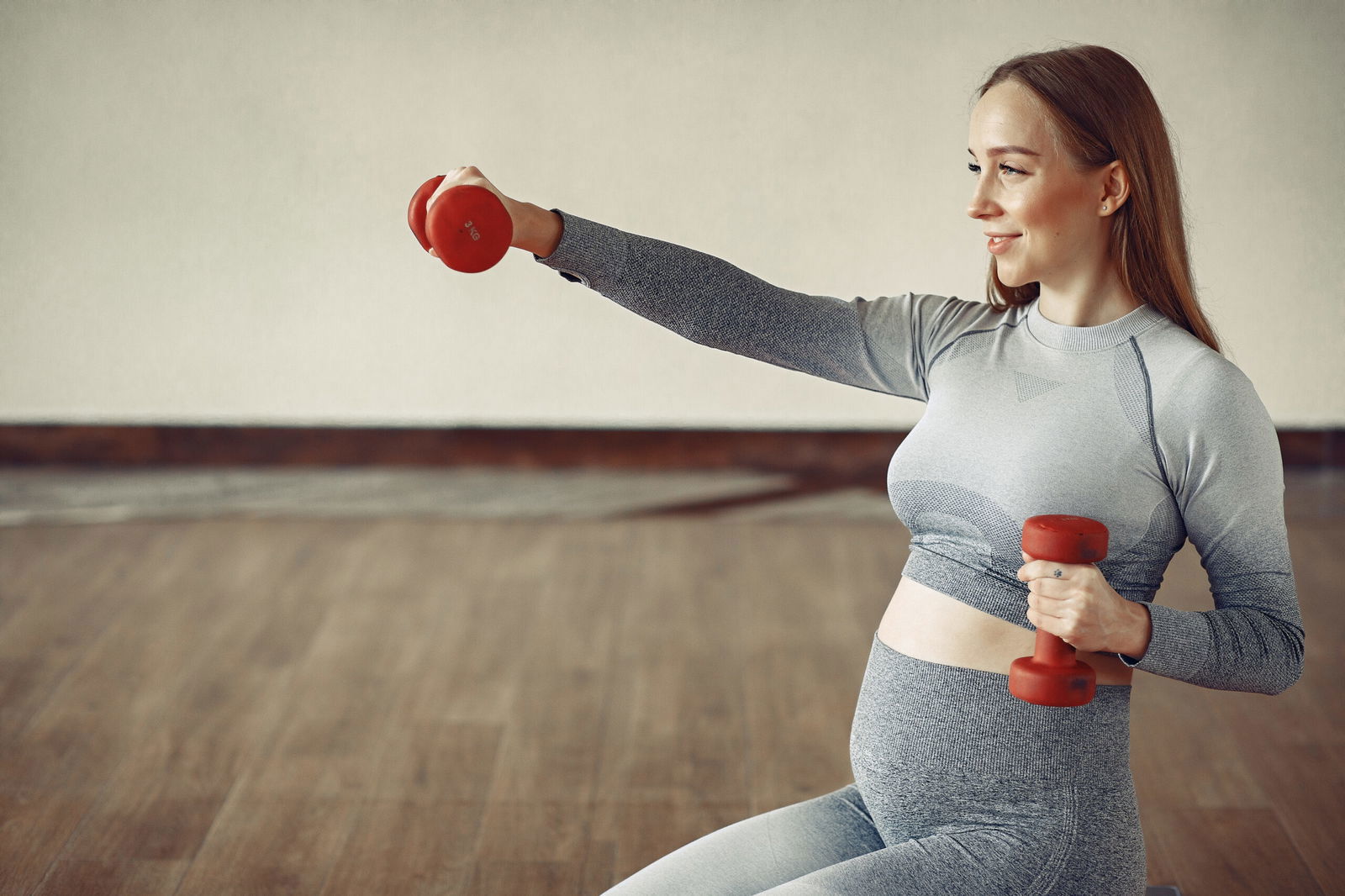
Combining weight lifting with movements such as swimming and walking will work best. Lifting assists with muscle strengthening and weight management and reduces lower-body back pain.
It also helps elevate mood, enhance body image, and reduce the risk of preterm labour and cesarean delivery.
via Imago
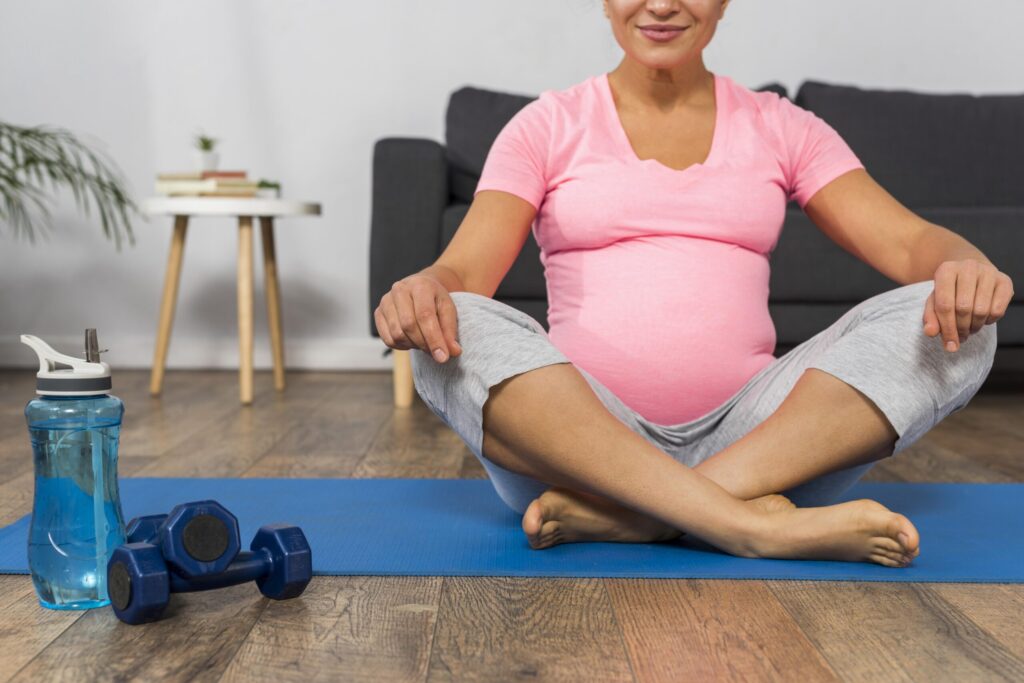
via freepik
It is not only beneficial for mothers' health but also for babies. The research showed that specifically, resistance training helps “heightened attentiveness and discipline” in babies.
Exercise 2-3 times per week during pregnancy can help prevent complications during delivery and benefit both the mother’s and the child’s overall health.
Now the question is which weight-lifting exercise to follow and which one to avoid during pregnancy.
Exercises one can include and exclude during pregnancy
There is no fixed number for the appropriate weight to lift during pregnancy. But using 60-70 percent of one rep max weight per set will be a sweet spot, and make sure to focus on high reps with lower weight.
During the first trimester, perform 2-3 sets of 10-15 reps of exercises such as lunges, lat pulldowns, calf raises, dumbbell chest presses, and planks.
While in the second and third trimesters, follow seated row, cable kickback, bird dog, seated machine chest, and side bridge for 1-3 sets of 10-15 repetitions each.
Some of the exercises that must be avoided after the first trimester include lying on the back and overhead lifting. Bending forward and high-impact movements must be avoided to avoid any complications.
Written by

Supradeep Dutta
Edited by

Siddharth Shirwadkar