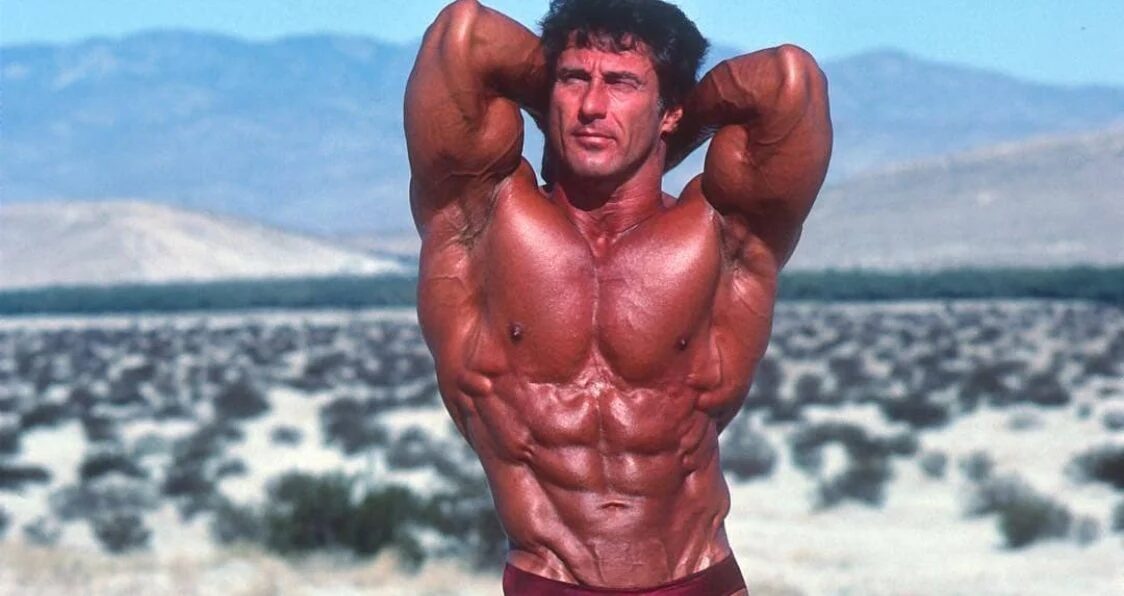
<p>Via @therealfrankzane Instagram</p>
<p>Via @therealfrankzane Instagram</p>
Jan 19, 2026, 1:38 PM CUT
Men’s Physique vs Men’s Classic Physique: Key Differences in Both Bodybuilding Types
The competitive bodybuilding landscape has multiple divisions, including Men’s Physique, Classic Physique, and Men’s Classic Bodybuilding. While both Men’s Physique and Classic Physique emphasize aesthetics, their judging criteria, presentation, and overall purpose differ significantly.
Men’s Physique was introduced by the IFBB in the early 2010s as a way of bringing mainstream fitness enthusiasts into the sport, along with former models. It emerged as a reaction to the growing gap between the bulky builts prevalent in Open Bodybuilding competitions and everyday gym physiques.
Classic Physique was introduced by the IFBB in 2016 to revive bodybuilding’s golden-era, in terms of aesthetics inspired by legends such as Arnold Schwarzenegger and Frank Zane. The new category was born out of a need for a departure from the mass monster era of the Open division.
Here’s a closer look at what sets them apart.
Men’s Physique
Men’s Physique focuses on the lean mass and overall visual appeal rather than size-related aesthetics.
Interestingly, the stress lies mostly on the upper body, be it broad shoulders, a symmetric waist, or clean muscle lines. In other words, not much importance is given to the lower body muscles. The competitors wear board shorts, intentionally covering the legs such that leg development is not the primary judging factor.
The judges assess muscle tone, symmetry, conditioning, and stage presence, looking for a more balanced look. Might come as a surprise to many, but excessive muscle mass is penalized in Men’s Physique, as the division favors a leaner, more attainable look.
Naturally, posing routines are limited to simple presentations and not mandatory, like in traditional bodybuilding.
Men’s Classic Physique
Classic Physique bridges the gap between traditional bodybuilding and Men’s Physique. Meant to revive the aesthetics of bodybuilding’s golden era, in Classic Physique, overall symmetry is key, and well-carved legs play a major role.
Competitors wear shorts or trunks, which expose their legs, so judges can completely evaluate their full-body balance. Well-developed quads, hamstrings, and calves play a major role in scoring. This category is thus suitable for those with more muscles than Men’s Physique but less than Open Bodybuilding, finding a balance of symmetry and classic proportions over only mass.
Front double biceps, vacuum, and other classic poses are a part of the posing routine. Judging in this division is strict, as they look for more balance, definition, and symmetry without encouraging extreme bulk. Icons like Chris Bumstead have come to define this division at the highest level.
Recap: Core Differences
Legs and Lower Body Assessment: In Men’s Physique, the participants are generally more covered, while in Classic Physique, they display more of their lower body muscles.
Muscle Development: The Men’s Physique favours lean and attainable muscle build, while the classic physique allows greater muscle mass with limits.
Posing Style: Think of Men’s Physique as a simple presentation turn, while Classic uses mandatory classic poses.
Well, now that you know about the difference, which do you think is better?
Written by

Suryakant Das
Edited by

Joyita Das