Nazarovsergey / Adobe Stock
Nazarovsergey / Adobe Stock
Dec 12, 2025, 5:00 PM CUT
Mind–Muscle Connection: How It Enhances Strength Training and Performance
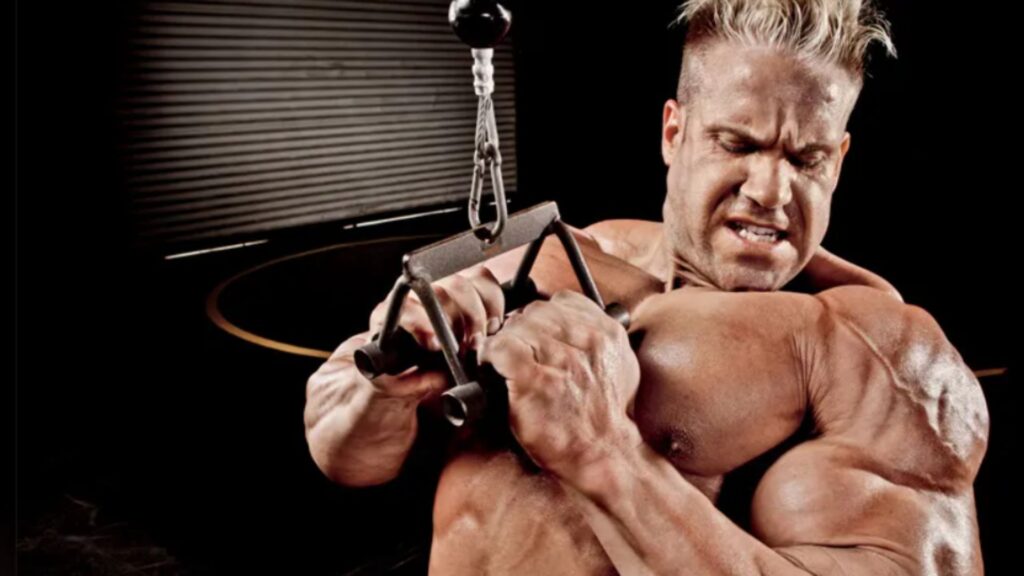
Whether you’re a beginner or a seasoned bodybuilder, there's a good chance you've heard about 'mind-muscle connection.' After all, even four-time Mr. Olympia Jay Cutler said, "Work the muscles, not the weight," in relation to the phrase as per Muscle & Fitness. So how exactly does it help in bodybuilding, strength training, and overall performance? Let’s find out.
To understand the term mind-muscle connection, one must know that it is more about psychological focus than physical. Sure, you may lift weights with your body, but in order to stay true to this term, one has to concentrate more on muscle contraction and stretching when working out.
If you have doubts, a 2017 study certainly clears it right away. According to it, concentrating on the pectoralis major during push-ups increased chest muscle activation by 9%. Cutler said something similar.
via Flex
via Flex
"Do not think of the weight going up and down; instead, visualize your muscle tightening and firing during the contraction, then resisting and lengthening during the extension," the former champion said about what to do when practicing mind-muscle connection.
The Benefits of Practicing Mind-Muscle Connection
1. Improves muscle mass: Mind-muscle connection boosts hypertrophy, better known as muscle cell growth. A study in 2018 discovered a 12.4% increase in elbow flexors and quadriceps thickness for those who followed this technique, compared to the 6.9% improvement observed among externally focused ones.
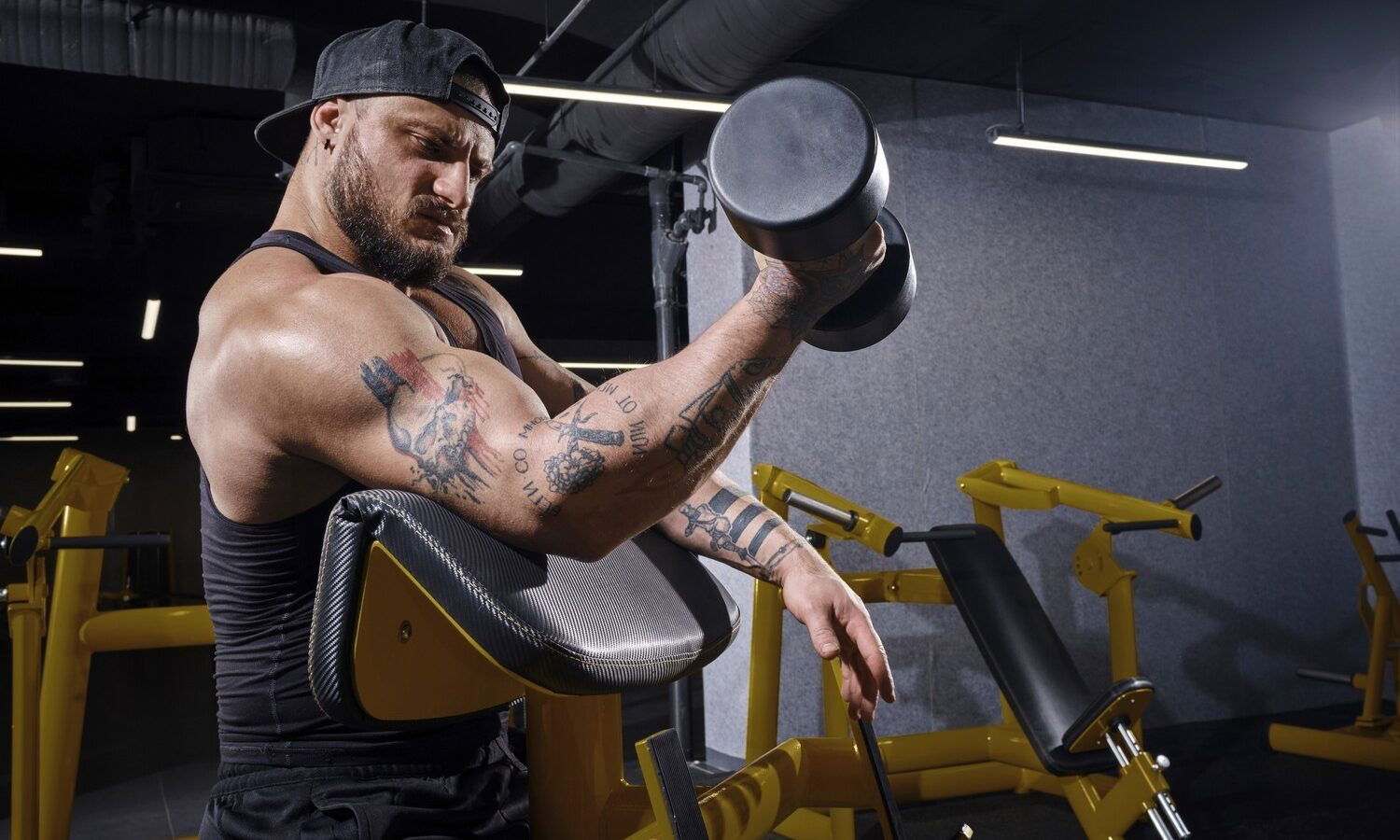
2. Targets the right muscle group: Think of it this way: you perform a good weighted cable bicep curl, but somehow you don’t feel any pump. On the contrary, having performed it slowly, putting emphasis on each rep, would have brought a significantly better stimulus to the muscle.
3. Increases workouts: Why waste your energy on unnecessary muscle groups that you aren’t even focusing on? Having the right mind at the right place is the key to good hypertrophy.
4. Achieving fast results: This is something that you yourself should test out. Doing so only teaches you exactly where to direct your mental focus so you can get more done in less time.
5. Staying driven: Just put this theory into use, and you’ll see visible improvements, serving as a powerful boost for you to try staying on track with your goals. However, there are a few things you need to keep in mind to approach it safely.

Freepik
Freepik
Crucial Training Cue to Build the Connection
1. Ramp-up sets: Before performing a full set, tense and relax your muscles. These light warm-up sets for isolation moves help get blood and oxygen into the muscle, prepare your nervous system, and reduce the chance of cramps or tightness.
2. Slow down those reps: the more you increase time under tension, the longer the muscle works, and the easier it is to feel the contraction.
3. Don’t go too heavy: “Yeah buddy, lightweight baby” is the key to a good workout, but do keep in mind that it’s you who should have control over the weight, not the other way round.
4. Avoid mirrors: It’s hard not notice yourself, especially being in a gym surrounded by mirrors all around. However, looking elsewhere helps you stay focused on the contraction.
5. Use verbal cues: Talk to yourself, becuse the shows that simple reminders about the specific movement you're performing can significantly boost muscle engagement.
6. Feel the contraction: Lightly touching the muscle you're targeting helps you understand how it should contract. If you can’t reach the muscle, ask a training partner to help.
Then again, with so many positives, one has to take care of some common misconceptions. While mind-muscle connection is a must to be practiced in isolation movements, there are some key points to take care of when trying to implement it in a compound movement. Exercises like bench presses, deadlifts, and squats shall require focus on movement with good form.
Simply put, there’s no need to go full slow motion while lifting that 250 lb deadlift or a 300 lb squat, unless, of course, you’re a pro and looking to master control. Just the right amount of movement and good form is enough.
Secondly, trial and error is one way to start implementing the muscle-mind connection successfully. Some exercises might offer the right amount of stimulus to both muscle and brain, and some may not. But keep in mind it is achievable and requires a certain amount of patience and, more importantly, practice.
Written by

Abhishek Mishra
Edited by

Sagnik Bagchi