prostooleh via freepik
prostooleh via freepik
Jan 4, 2026, 11:30 AM CUT
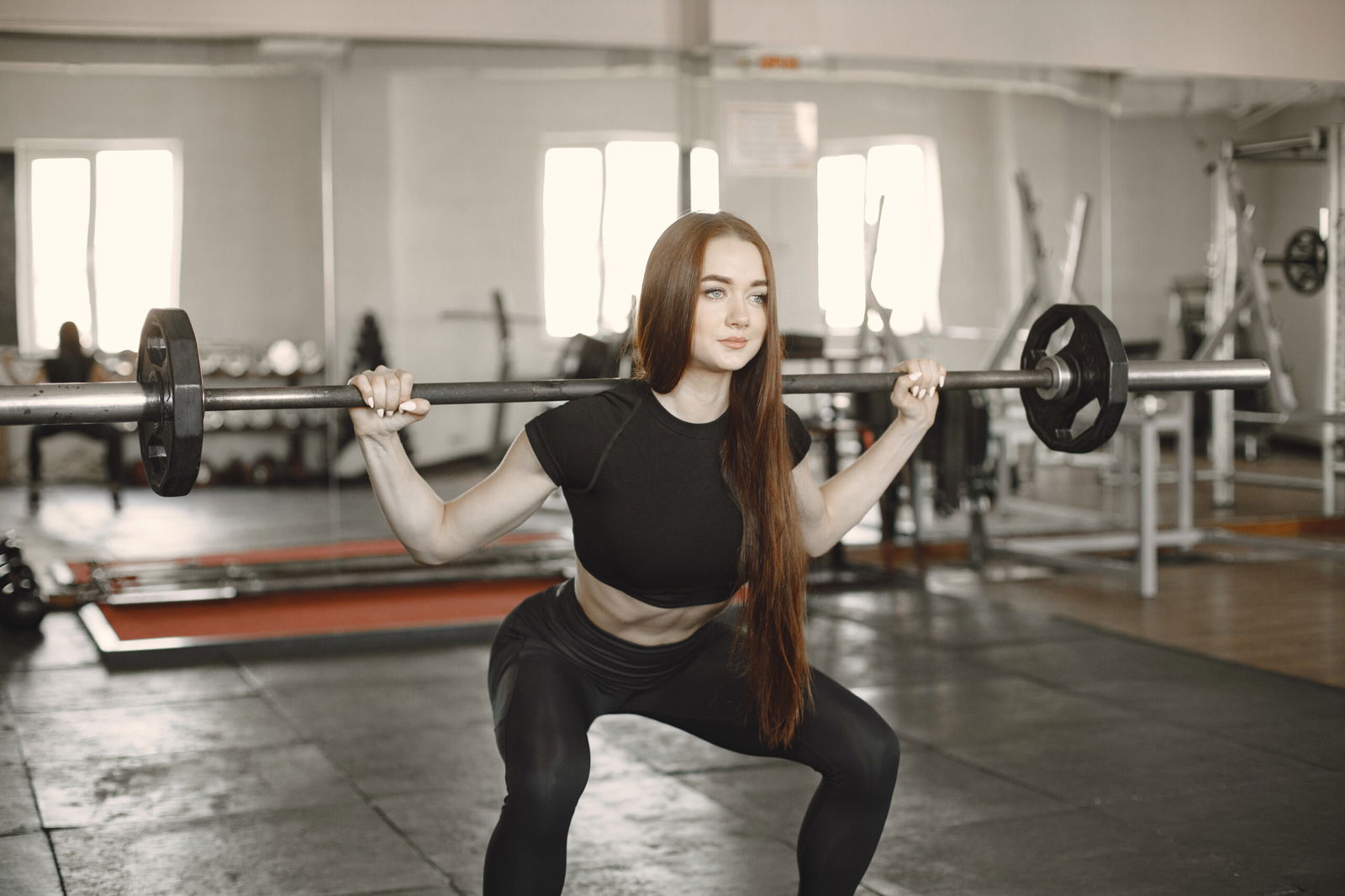
Progesterone and Women’s Training: Effects on Strength, Energy, and Recovery
For women, during training, there are some days when everything goes smoothly and on point, but others when it goes off track. Every woman can relate to this situation.
What if we tell you everything is related to your menstrual cycle?
Yes, you might know it is. But let’s understand how excatly.
We can basically divide the menstrual cycle into two phases. First is the follicular phase, in which hormone levels are lower than in the second phase, the luteal phase.

senivpetro via freepik
senivpetro via freepik
At the start of the follicular phase, estrogen levels are low, but as the day progresses, they begin to increase. Your body can utilize the stored carbohydrates, which means it's a great time to increase your training volume. It's the ideal time for muscle-building.
But in the luteal phase, your body is fully ready to conceive, which means hormone levels such as estrogen and progesterone are very high. More hormone production means a reduction in anabolic capacity and muscle-building. During this time, one must focus on low-intensity training and recovery. Access to stored carbs is limited, so you have to take in more calories and carbs to fuel your body by eating more food.
Estrogen enhances energy levels, supports bone formation, and elevates mood. Progesterone reduces insulin levels, improves sleep quality, regulates appetite, and stabilizes thyroid function.
Although it seems like estrogen is a “good hormone” and progesterone is an “evil PMS hormone,” the reality is that both hormones are equally necessary to function a female body properly. An imbalance between the two causes mood swings, irregular periods, fatigue, anxiety, and sudden weight gain.
Some healthy practices you can include to improve the balance of progesterone and estrogen.
Healthy practices
Include Zinc-rich foods such as dark chocolate, lean red meat, and oysters, as they help maintain balance between the two hormones. Food items such as lean meat, leafy green veggies, and fish, which are rich in iron, are beneficial for female athletes who are more likely to be iron-deficient during their periods.
The production of the progesterone hormone is supported by vitamin C intake, and it also assists in a healthy uterine lining. Avoid eating flaxseed, dried fruits, and soy products unless you have a low estrogen level.
So, from now on, make sure to plan your training routine around your menstrual cycle.
Written by

Supradeep Dutta
Edited by

Oajaswini Prabhu