Ronnie Coleman and Dorian Yates vs. Lee Haney: How Training Style Led to Injuries for Some, Longevity for Another
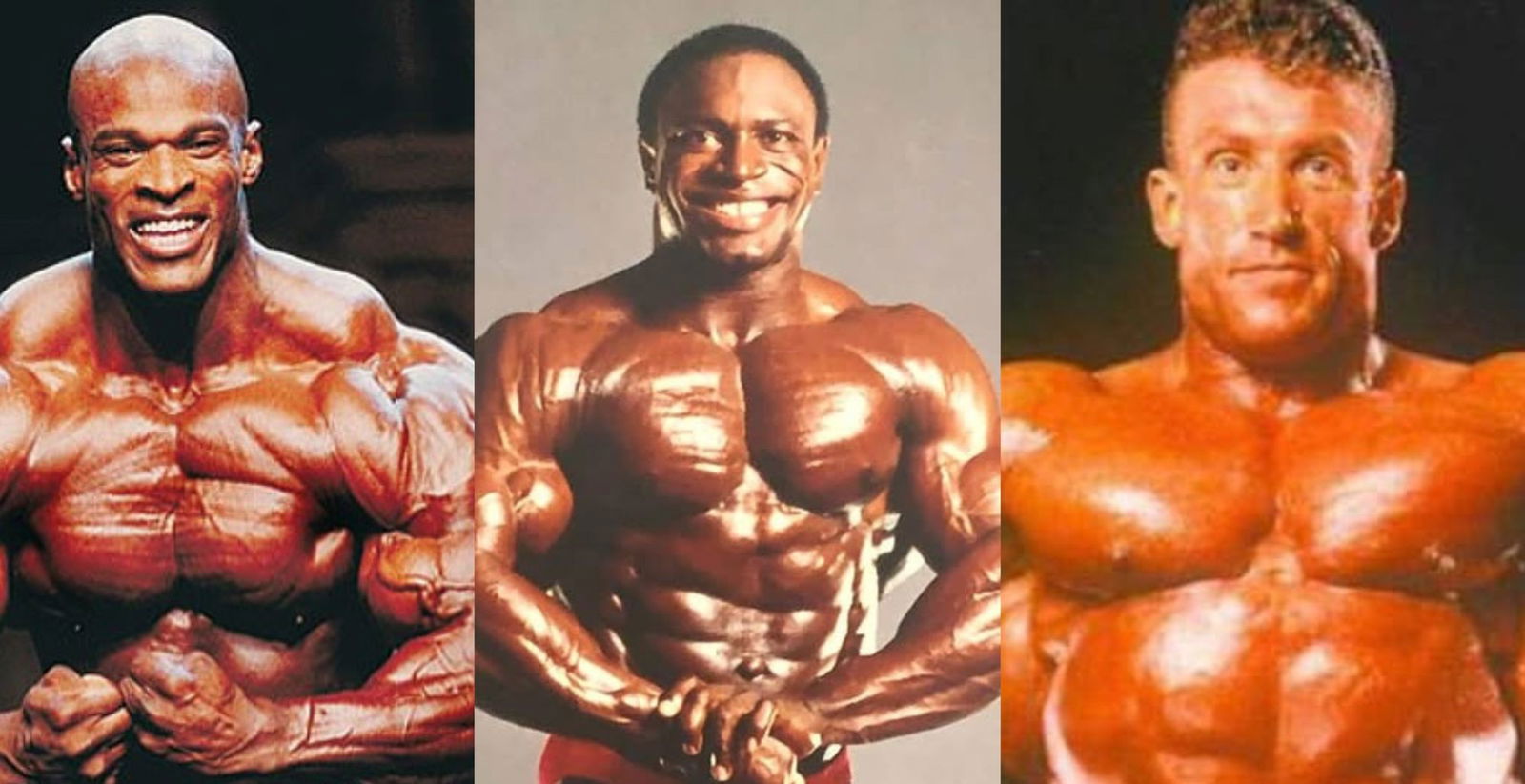
While none of the three names need any introduction in the world of bodybuilding, a revelation by Lenny Harvey reflected on how both Yates and Coleman relied heavily on weights throughout their competitive careers. And the injuries that followed were inevitable.
Dorian Yates claimed six consecutive Mr. Olympia titles from 1992 to 1997, while Ronnie Coleman matched Lee Haney’s record with eight wins.
As shared on Muscle Mind Media, Harvey stated, " Ronnie and Donnie, you know, they took their share of injuries, but man, they used massive amounts of weight. "
Ronnie Coleman and Dorian Yates' intense prep
Ronnie Coleman trained using a six-day split that worked each muscle group twice per week, with Sunday kept as a rest day. Coleman's sessions centered on free-weight compound movements, including squats, deadlifts, and pressing exercises for the upper body.
For compound lifts, repetition ranges typically varied between 2 and 12 reps, depending on the load used. In contrast, isolation exercises were performed with higher repetitions, often reaching up to 20 reps.
In addition to resistance training, he incorporated cardio into his routine, completing one hour of incline treadmill walking each morning after his first meal.
Dorian Yates followed a structured approach to contest preparation built around training consistency, controlled nutrition, and increased cardiovascular work.
Yates' preparation relied on the “Blood and Guts” high-intensity training method, along with regulated calorie intake and scheduled cardio.
During this phase, Dorian Yates did not increase training volume. Instead, he maintained the same level of intensity to support muscle retention.
Yates' program followed a four-day body-part split, with sessions typically lasting between 45 and 60 minutes.
Lee Haney's alternative
In contrast to Ronnie Coleman and Dorian Yates, Lee Haney described a more controlled approach to heavy lifting, explaining that he relied on a method he referred to as pre-exhaust to manage load while training his legs.
Lenny Harvey explained that he only squatted very heavy weights on rare occasions, noting that he would sometimes work up to around 405 pounds.
However, he said he later shifted to a method known as pre-exhaust training. According to Harvey, this involved performing leg extensions and leg presses before moving to squats, which he described as the primary mass-building exercise.
By pre-fatiguing the muscles, he was able to use lighter loads, such as 275 or 315 pounds, while his legs responded as if he were lifting 440 or 450 pounds.
“Legs don’t know the amount of weight. All it knows is the weight feels heavy, and I have to respond by growing. So I saved my hips and my knees and my back by using that kind of approach.”
Do you agree? If not, what do you think is the way to go? Share with us in the comments.
Written by

Aditi Singh
Edited by

Joyita Das