Pexels/Towfiqu Barbhuiya
Pexels/Towfiqu Barbhuiya
Jan 30, 2026, 4:59 AM CUT
6 Myths About Weight Loss and Obesity Everyone Should Ignore
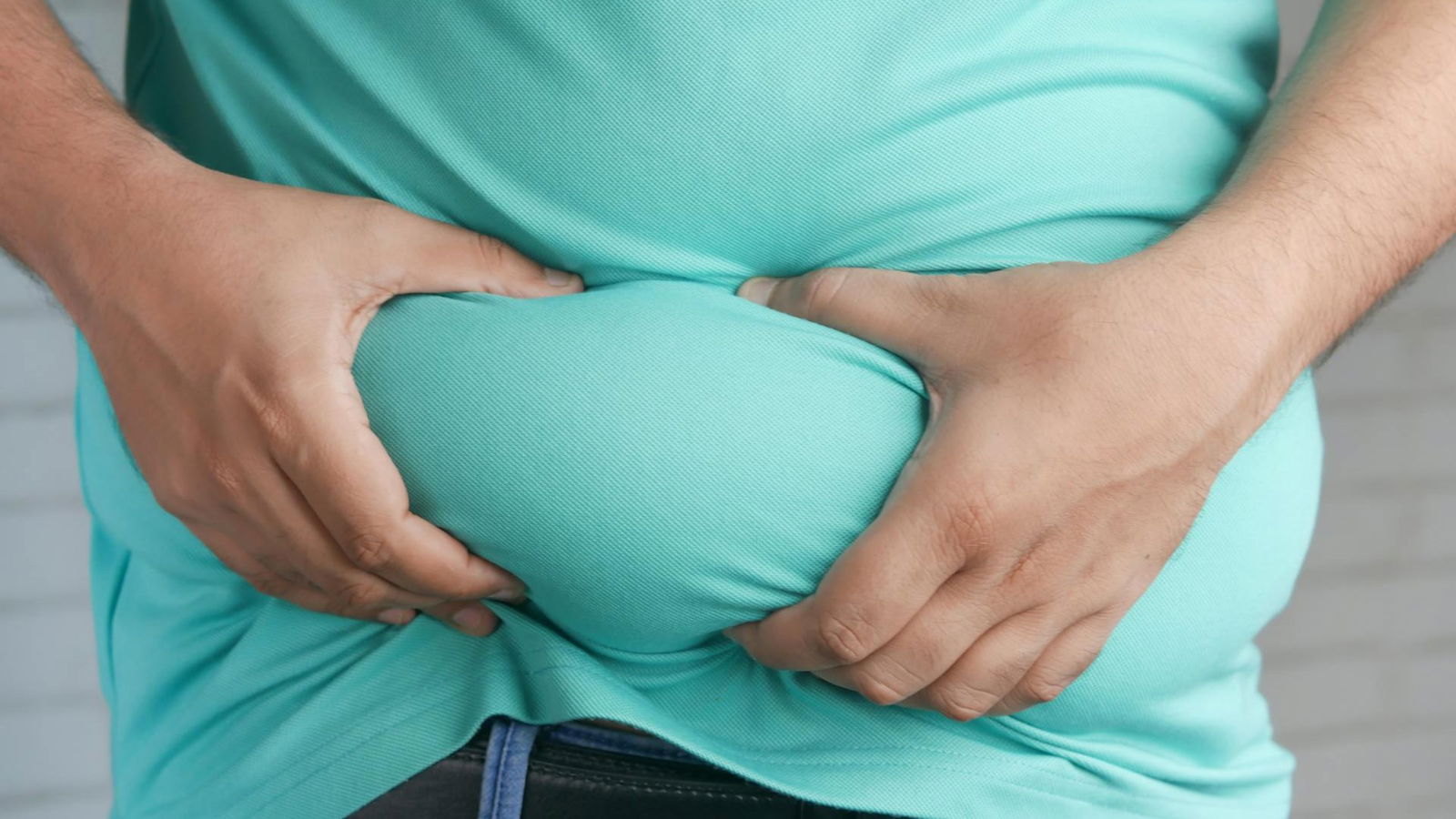
Lifestyle-related obesity doesn’t happen overnight. It creeps in slowly, hiding behind junk food wrappers, late-night shenanigans, and a promise to start ‘tomorrow.’
To put simply, obesity is the accumulation of fat inside our bodies, causing us to gain excessive weight to the point that it becomes a health concern.
What was once a problem caused by excessive eating has now become a global issue found in households of every city, country, and continent. It’s a medical condition, an economic burden, and the number one cause for breathlessness and perspiration.
And there are several myths still attached to it that need to be busted. Only then can we battle this problem and, hopefully, with enough impact, eradicate it.
The yays and nays about obesity that everyone should know
Obesity and willpower
‘Obesity is caused by lack of willpower’ is the biggest myth that needs busting. Although your lifestyle plays an important role in determining your weight class, factors like your social environment, economic conditions, genetics, metabolism, and psychological factors also contribute heavily.
Also, research shows that obesity-prone areas are those with more access to healthy food options. And parts with low access to healthy food options have a larger leaner population.
All fat is bad fat
There are two types of fats in our bodies: the one under our skin is called subcutaneous fat, and the one behind our bellies is called visceral fat. Take a guess which one is harmful? Yes, you guessed it, it's the visceral fat.
The good fat protects the organs, preserves energy, and regulates temperature, while the bad one causes diseases like diabetes and cardiovascular problems.
BMI helps determine weight
Body Mass Index (BMI) uses height and weight to determine your body fat and categorize people as underweight, normal weight, and overweight. But there is something that people don’t know: BMI can differentiate between muscle mass and fat mass.
That’s the reason many athletes with heavy muscle mass get labeled as overweight. Thus, BMI is not a correct method of determining weight class.
Lean people are healthy
Being lean does not automatically make you healthy. Many overweight people are in better health conditions than normal-weight people. A person should only be considered healthy if their physical activity, diet, blood pressure, blood sugar levels, and cholesterol levels are all in the normal range.
Surgery is the best option for obese people
Many overweight people are advised to go for gastric bypass surgery or sleeve gastrectomy to solve their weight problems. But what they don’t understand is that these are major procedures that can lead to serious health concerns.
They require following a certain lifestyle post-surgery to maintain the weight. These surgeries should only be recommended when all other options fail.
Dieting will help you lose weight
Fad diets work in the short term. They show quick results, but lead to immediate regain. If you want to lose weight, you have to change your entire lifestyle, not just your eating habits. You have to pair your diet with workout training and a healthy lifestyle.
Lifestyle routine to follow to lose weight
- Set achievable goals
- Track everything, even the smallest of progress
- Associate with supportive people
- Celebrate every win.
- Be positive.
Sustainable routine is the way, rather than quick tricks and fixes. So, when did you start your fitness journey?
Written by

Ruwa Javed
Edited by

Joyita Das