
The Diet and Nutrition That Men Above 50 Should Follow- Do’s and Don’ts

Turning 50 requires eating smarter, not giving up flavor. For men, this means focusing on specific foods for health and well-being while avoiding others. Here are the key dos and don'ts you should consider when designing your diet.
The Do’s of Mindful Eating
Protein is your best friend
Studies have recommended that 1.0-1.2 grams of protein per kilogram of body weight is essentially required to help preserve muscle strength.
Fish, poultry, eggs, legumes, tofu, and Greek yogurt are some of the excellent sources of protein that you can include in your diet.
Never Be a Picky Eater
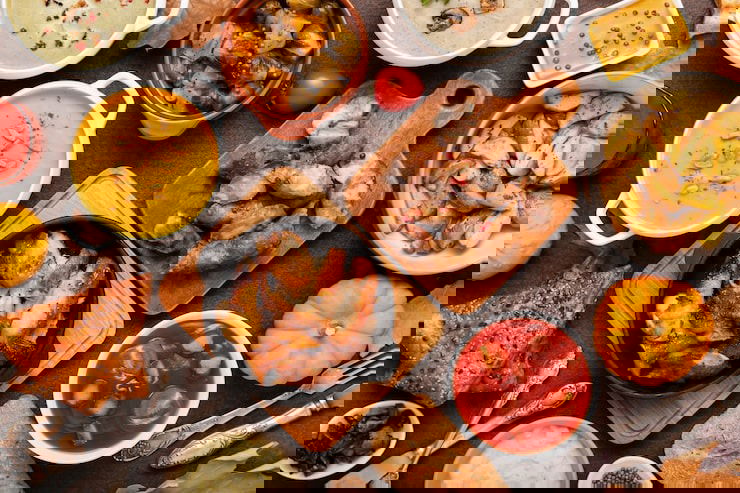
Include colors in your diet, such as tomatoes, apples, beetroot, and others. The bright colors in those produce are all thanks to antioxidants like lycopene and betalains, which are good for the heart as well as the blood vessels.
Multiple studies have shown that these compounds can lower harmful LDL cholesterol and improve artery health.
via Imago
Freepik
High Fiber Food All the Way
High-fiber foods offer many benefits, including better cholesterol, gut health, and blood sugar control. Aim for about 30 grams of fiber per day from vegetables, fruits, whole grains, and legumes.
Fats are Good Too! Sometimes
Fish, flaxseeds, and walnuts include the essential Omega-3 fatty acids, which help reduce inflammation. In addition, it supports cognitive health. Monounsaturated fats from olive oil and nuts contribute to balanced energy and improved heart health.
Here's What You Shouldn’t Do
Say no to sugars
“Just because a drink says ‘pure’ or ‘green tea’ or ‘honey’ doesn’t mean it has less sugar,” says Christine Rosenbloom, a registered dietitian and nutritionist.
She meant to say that just because a coconut water bottle claims it’s completely natural, you shouldn’t trust it blindly; always check the contents on the back.
Processed Food is a No-Go Zone
According to Farrell Allen, a spokesperson for the Academy of Nutrition and Dietetics, “Hidden sugars can be found in pasta sauces, yogurt, granola bars, instant oatmeal packets, and breakfast cereals.”
Ultra-processed packaged food is excessively high in salt and sugar, which disrupts cholesterol levels, putting the heart at risk. It is advisable to consume them as little as possible.
Excess Red and Processed Meats
Red meat is a good source of protein. However, it is rich in saturated fat. It is advisable to consider lean proteins such as Chicken and Fish. Additionally, processed meats like sausages and salami often contain additives and preservatives linked to health risks.
Written by

Suryakant Das