The Most Misunderstood Muscle: How to Train It Correctly and Why It Matters
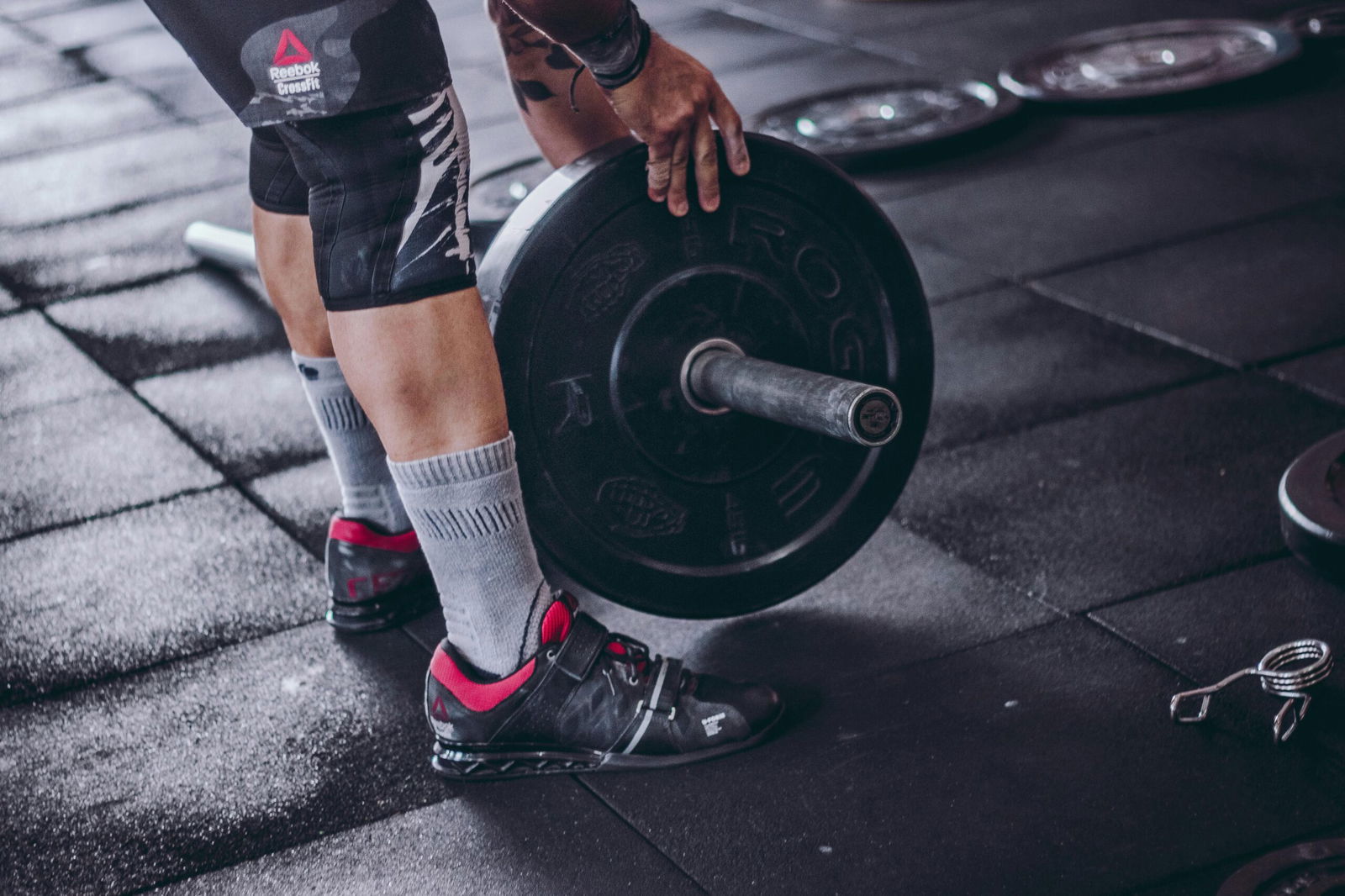
Modern training has witnessed a remarkable shift towards a functional approach. Though there's no problem with it, it somehow ends up ignoring the isolated muscle group. Sure, one may argue compound movements like squats, lunges, carries, and many other push-pull variants can engage many muscles at the same time. Then again, the safer side does advise directly targeting certain muscle groups, with calves being one of them.
But why Calves?
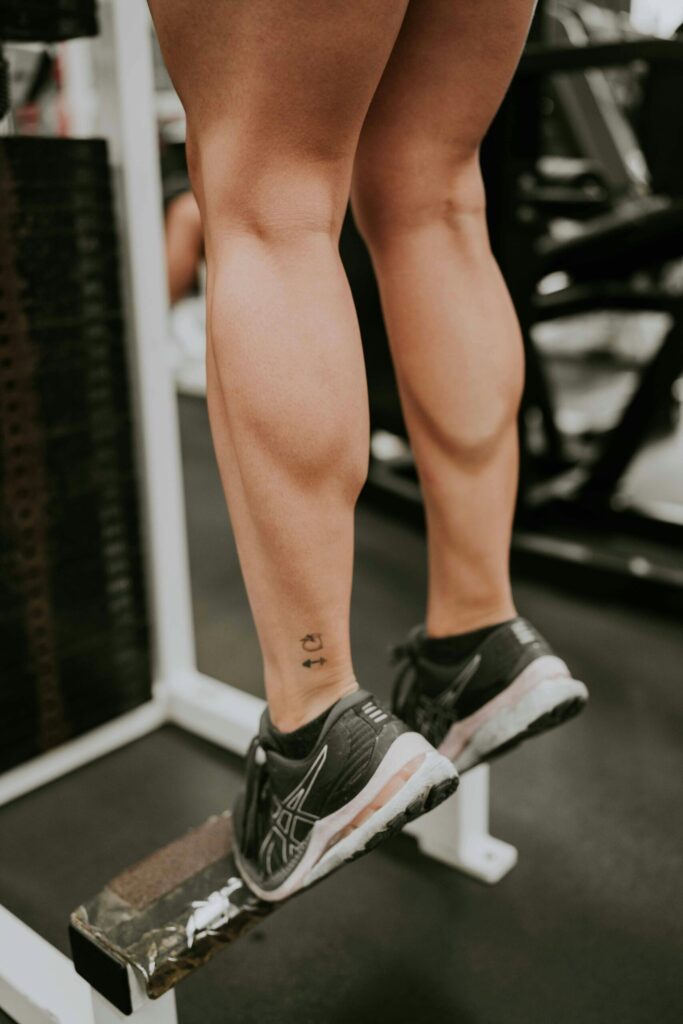
Perhaps one of the most ignored muscle parts to train, calves are actually considered one of those areas that require special attention. To understand its basic anatomy, the calf is made of two muscles: the soleus, which runs along the length of the lower leg, and the gastrocnemius, which mostly covers the upper part of the soleus. Both play a key role in the extension function of the foot. One should know that the tibialis, which is a smaller muscle at the front, is responsible for dorsiflexion and barely contributes to the calf's size.
To train them is something that shouldn't be ignored too much. Firstly, they act as a natural "spring" of your lower leg. They absorb and release energy throughout activities like running and jumping. So if the "springs" of your legs aren't strong or efficient, the force they are required to absorb and release can instead shift towards other parts like knees, hips, or even back, causing unnecessary strain. This is why, when someone is recovering from their ACL injury, they are advised to focus on training their soleus. Further strengthening it can prevent any such injuries too.
Of course, just like every other muscle group, genetics also play a huge role in the size of your calf. It's something that even retired English bodybuilder Dorian Yates agrees to, as per the anecdote shared by Andrew Herbert. While some are blessed naturally with a big size regardless of whether they train it or not, others don't get results even after putting special effort into it.
If you're in group two, don't worry, because joining you is first Arnold Schwarzenegger. Despite admitting that calves require 500 hours of work, he struggled to grow his own. Others include top Mr. Olympia competitors like Dennis Wolf, who, except for calves, is a master in every muscle group. So it's safe to say that even the experienced veterans and challengers find it difficult to grow them.
Then again, with the help of consistent training and keeping a few things in mind, you can achieve sustainable goals. Let's see how.
How to train the calf muscle?
Before telling you the exercises, we'd ask you to perform a small test to check how strong your calf muscles are:
Step one: Perform a standing heel raise. To do it, simply lift your heels as high as possible while placing your arms on a table to balance. The same can be done using a wall, but make sure you don't use it to push yourself up.
Step two: This time, try to reach the same height but with one leg the same way you perform with both. In case you fail, consider it a sign of weakness. Otherwise, a success should see you take the challenge of performing as many reps as possible. Try doing it with a full range of motion.
Now, here are not a couple but ten exercises to perfectly train your calf muscle:
- Heel raises with the knee straight
- Heel raises with the knee bent
- Heel raises off a step
- Heel raises at different angles (toes in, toes out, leaning forward at the wall)
- Single leg heel raises with the knee straight/bent (If transitioning from two legs to one is difficult, start by pushing all the way up on both legs, then lower yourself on a single leg.)
- Heel raises in a squat position
- Heel raises in a lunge position
- Pogo Jumps (2-legged, 1-legged)
- Jump roping
- Sled pushes with heel raise
It's not necessary to perform all. Just do it as per your comfort level. However, since calves have a higher proportion of slow-twitch fibers and a smaller range of motion than most muscles, they respond better to higher repetitions, slower lifts, and pausing at the stretch to increase time under tension (TUT).
Rest assured, if you keep all of these things in mind, coupled with discipline and consistency, there's no one stopping you from building those calf muscles.
Written by

Abhishek Mishra
Edited by

Joyita Das