
The Reality of Replacing Meals With Protein Shakes- How Does It Impact the Body?
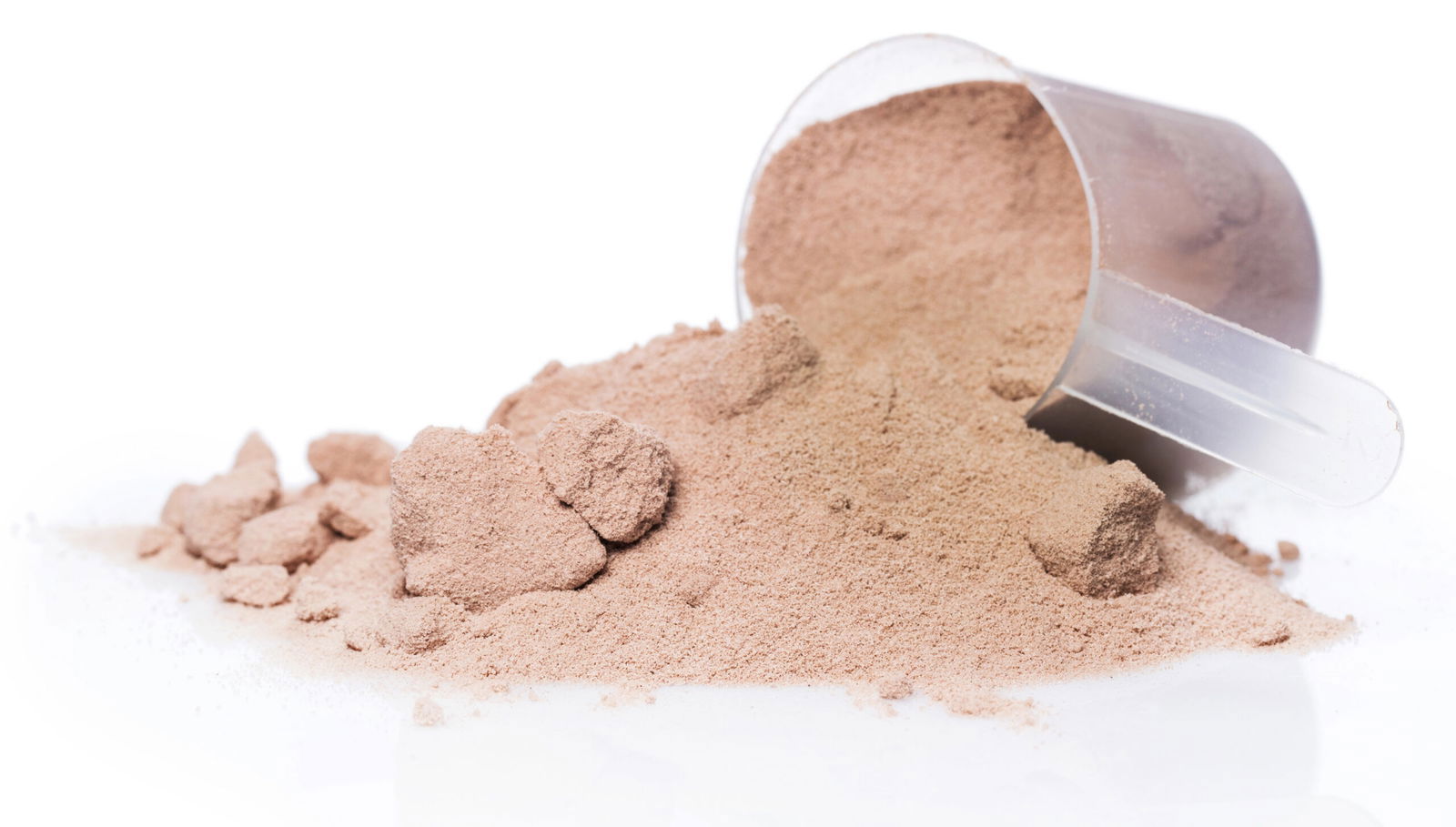
Let's be real, replacing a meal with protein shakes, whether for breakfast, lunch, or dinner, might reduce your caloric intake, at least in theory. But other healthy nutrients may be missed.
Confused? So before making the call, let's look at how these practices affect you.
What are Meal-Replacement Shakes?
For starters, let us understand what Meal-replacement Shakes are. They are formulated beverages that are designed to substitute one or more daily meals.
Unlike the common whey protein, a Meal-replacement shake comes with more micronutrients such as carbohydrates, fats, and fibres. It must be noted that they have more calories than conventional protein shakes.
Impact on Weight-Loss and Metabolism
Yes, taking Meal-replacement Shakes can reduce your calories and impact weight loss. A study by Peking University showcased, “meal replacement products can significantly reduce weight and body fat percentage without affecting metabolic health.”
As per another study of two groups of individuals who tried to reduce weight over the course of three months, the group that did not replace meals with shakes lost only 1.5% of their fat. However, the group that used Meal-replacement shakes lost approximately 7.8% of their body fat.
However, one must note that in order for weight loss to be drastic, only protein replacement shakes are not enough. One has to take further dietary restrictions to have drastic weight loss.
Nutritional Considerations
Some protein shakes come up with added nutrients such as fibres and carbohydrates, which can help in digestion. However, one must note that the macronutrients in these shakes may not be enough for your body to function.
In addition to that, gas, bloating, and nausea can be issues if the user is lactose intolerant.
Well, a heavy dependency on Meal-replacement shakes can be drastic for your physique, as even the health experts are against it. They advise consuming protein shakes only for a short period before transitioning back to whole foods.
Written by

Suryakant Das
Edited by

Joyita Das