What Excessive Protein Consumption Does: Effects on Your Health
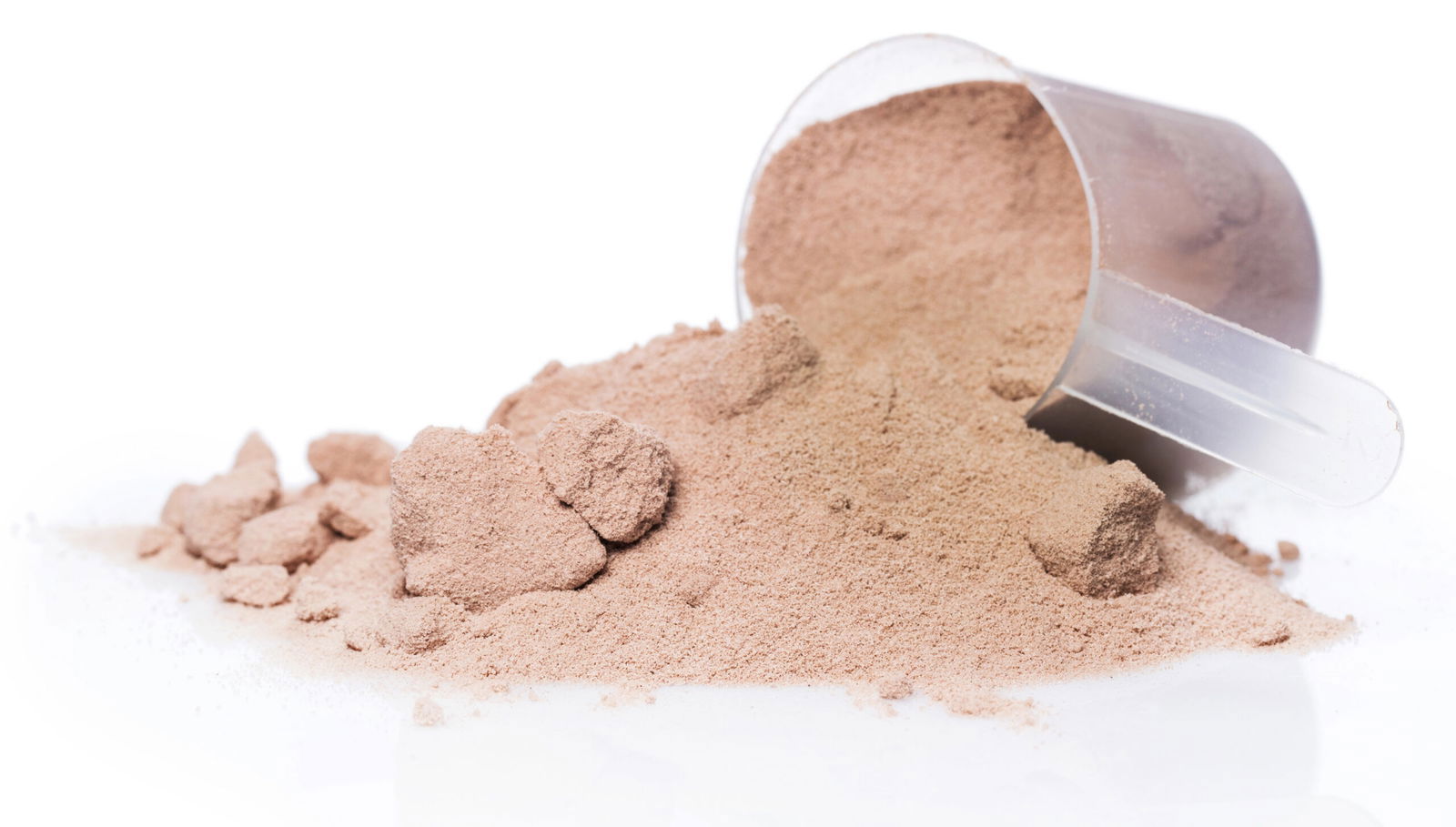
Protein is the golden child of modern fitness, however, people just don’t understand when to stop.
According to research by the Royal Society of Chemistry, overconsumption of protein may increase the risk of certain health complications.
“Consumers are being led to believe that they can never get too much protein in their diet. However, our research shows that specific amino acids, which are the building blocks of protein, can trigger cardiovascular disease through a signaling mechanism at the cellular level in the blood,” said Bettina Mittendorfer, PhD.
How much is too much? Let's find out.
Weight Gain
Protein is commonly associated with muscle growth; however, excessive protein consumption can lead to abnormal weight gain.
Surplus protein may be stored as fat, while excess amino acids are excreted. According to a 2016 study, significant weight gain was observed in individuals who replaced carbohydrates with protein over time.
Constipation
In the same study, it showed that almost 44% of the participants reported having a constipated bowel movement. The study found that individuals who completely removed carbohydrates while following a high-protein diet also lacked fiber intake, which may be a reason for constipation.
via Imago
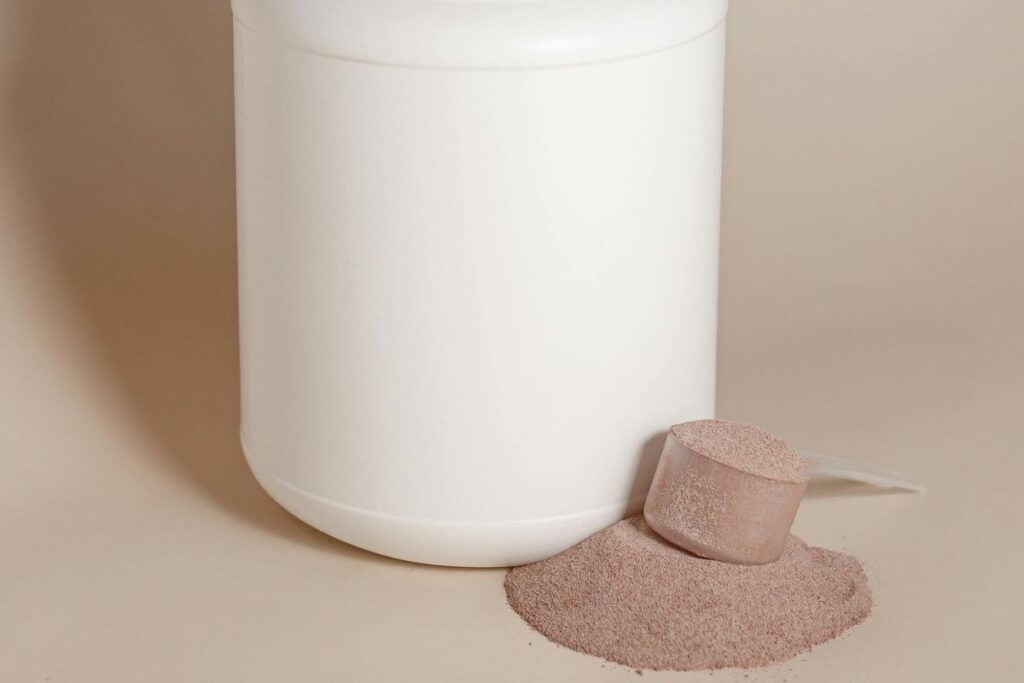
Photo by Supplements On Demand: https://www.pexels.com/photo/white-plastic-container-without-a-label-and-a-pile-of-dry-food-with-a-clear-spoon-13779103/
If you are still someone who wants to take a high-protein diet, then make sure to increase the water & fiber consumption to prevent such an outcome.
Dehydration
Excessive protein consumption can lead to dehydration. According to a small study by the Federation of American Societies for Experimental Biology, an increase in protein intake may lead to decreased hydration levels. But at the same time, a 2006 study showcased that the effects are minimal.
Despite that, it’s better to make sure that water intake is always in check while consuming more protein.
Cardiovascular Imbalance
Red meat and full-fat dairy might increase your protein intake, but excessive consumption can increase heart risks. Why? Well, they are high in saturated fat and increase the cholesterol intake, which is a recipe for heart failure.
As per a study by Adam M. Bernstein, MD, women consuming higher quantities of these foods showed a greater likelihood of developing coronary heart disease.
Apart from that, there are many other downsides to consuming onlya high-protein diet. There is only one way to tackle it, and that is to make sure that you have a healthy balance.
Do you think your diet needs a change? Tell us in the comments and follow Bodybuilding Bros for all things fitness!
Written by

Suryakant Das
Edited by

Oajaswini Prabhu