Why Are Split Squats So Effective for Marathon Race Training? Benefits and Guidelines
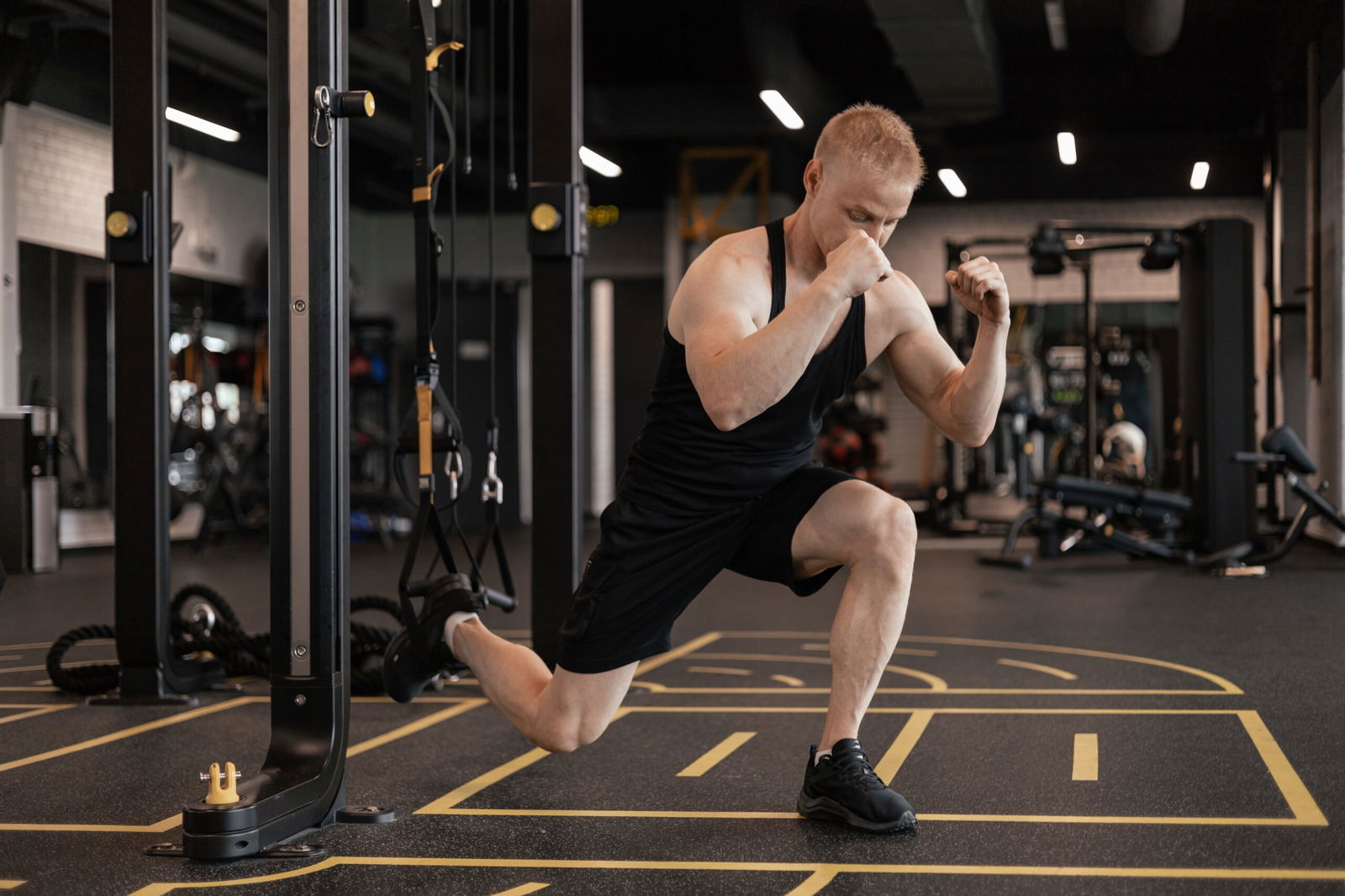
Marathon runners often overlook strength training, despite its proven importance. Although coaches emphasize leg workouts, many runners skip them and increase their risk of injury. So, what’s the best workout for a marathon? It’s good ol’ Squats.
With one foot forward and the other placed on a bench, the split squat is a simple yet effective exercise. Common variations include the traditional split squat and the Bulgarian split squat.
1. Strength Gains Without Bulking-Up
Split squats build the legs in a way that directly supports running performance. They train the quads, glutes, hamstrings, hip abductors, and core all in one movement. Unlike bilateral squats, unilateral loading shifts most of the resistance to one leg, helping fix strength imbalances that can limit efficiency or raise the risk of injury.
Research by PMC indicates that structured strength work can drastically help decrease the energy cost in marathons while maintaining the same speed.
2. Improved Running Mechanics
Working out your legs and moderately increasing the intensity gives you a much-needed balance, stability, and coordination. Muscles, particularly the gluteus medius and hip stabilizers, support pelvic stability during the marathon, and if the balance is not good, then it might cause severe accidents and injuries.
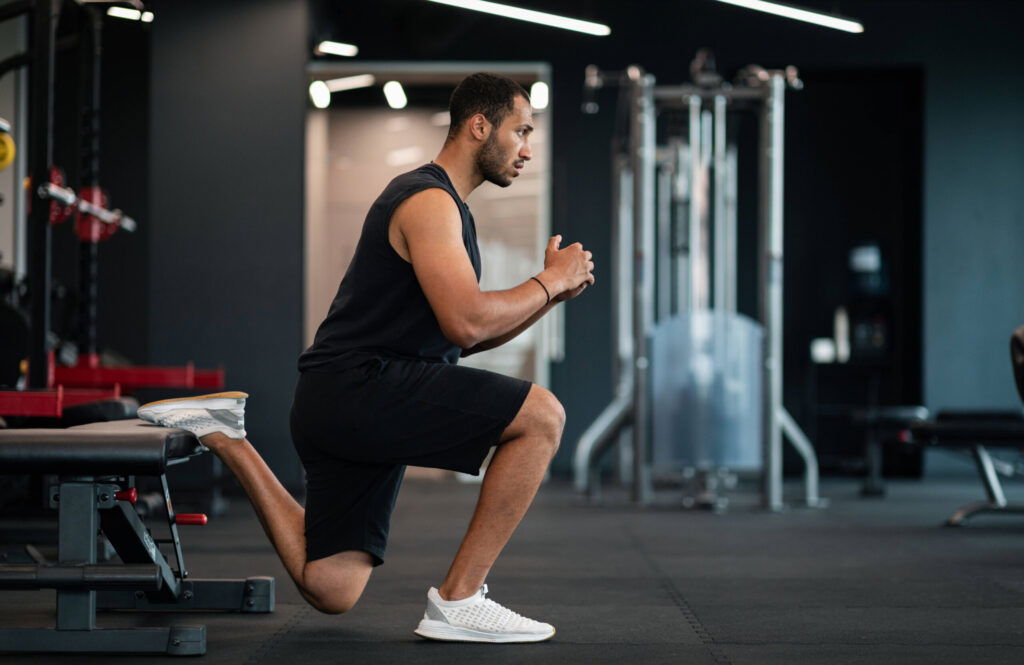
via Imago
Portrait Of Athletic Black Man Making Bulgarian Split Squat Exercise At Gym Portrait Of Athletic Black Man Making Bulgarian Split Squat Exercise At Gym, Motivated Young African American Male Training On Leg Muscles At Modern Sport Club, Enjoying Bodybuilding, Side View, model released, , property released, , 97224768.jpg RECORD DATE NOT STATED
An improved stability means better alignment from the hips to the knees, which enhances efficiency and decreases unwanted motions.
3. Reduced Injury Risks
Marathon injuries often stem from repetitive loads and muscular imbalances. Split Squats build tendons and ligaments' resilience by stimulating collagen production through controlled, high-load movements. Stronger connective tissue means that while running, it would lower the likelihood of common wear and tear.
In addition to that, split squats emphasize hip and knee control by supporting proper tracking of joints during running.
Guideline for Split Squats
It is recommended that individuals perform split squats at least twice a week. Some key recommendations are as follows:
- Reps/Sets: Aim for 8–12 reps per leg, 2–4 sets.
- Progression: Start it with your own bodyweight and gradually, as you master the technique, try to use weights.
- Variation: Use Bulgarian split squats (rear leg elevated) once foundational control is solid.

via Imago
African Employee Doing Bulgarian Split Squat Exercise, African Employee Doing Bulgarian Split Squat Exercise In Office, African Employee Doing Bulgarian Split Squat Exercise In Office model released, Symbolfoto , 18.11.2022, Copyright: xAndreyPopovx Panthermedia32938424.jpg
Pro tip: Focus on longer reps with bodyweight exercises before adding weights, as this helps build proper form more effectively.
Written by

Suryakant Das
Edited by

Joyita Das