Freepik
Freepik
Dec 5, 2025, 3:45 AM CUT
Do Cheat Curls Help Build Arm Muscles and Strength?
Most lifters learn early on that strict form builds discipline, but momentum builds power. Interestingly, research on lifting mechanics shows that using controlled momentum can help athletes move loads beyond their strict limit, increasing mechanical tension and recruiting more stabilizing muscles.
This raises an intriguing question for anyone chasing bigger arms: Can cheat curls, often criticized as “sloppy form,” actually help you grow stronger, more muscular arms?
Let’s dig in, and by the end, you may rethink how you curl.
What Are Cheat Curls?
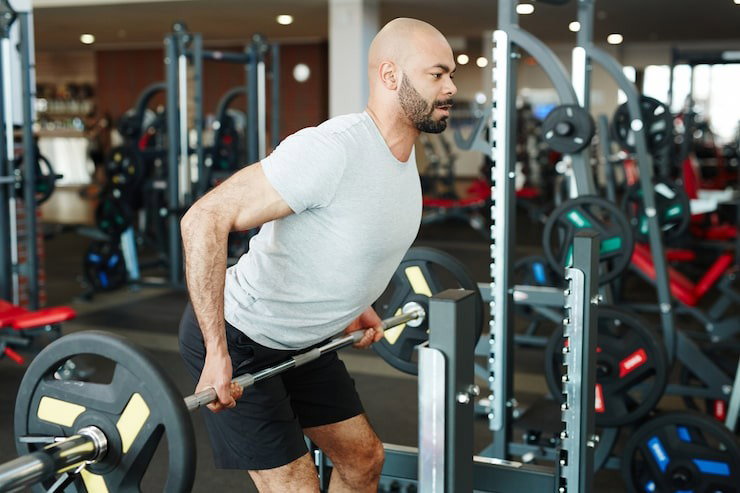
Cheat curls are a variation of the traditional biceps curl, but unlike strict curls, they intentionally use controlled body momentum to lift heavier weights. This technique allows you to push past sticking points and challenge your muscles in a different way.
While regular curls isolate the biceps brachii, cheat curls shift the exercise into a compound-style movement, tapping into supporting muscles for stability and power.
Muscles Worked
Yes, the biceps curl is still the star of the show, but cheat curls also activate:
- Forearms (grip strength under heavier loads)
- Deltoids
- Traps
- Erector spinae (lower-back stabilizers)
This broader recruitment is one reason bodybuilding legends like Frank Zane favored cheat curls for front-delt engagement and upper-body density.
Benefits of Cheat Curls
1. Bigger, Stronger Arms
Handling heavier weights increases muscular activation and mechanical tension, two key drivers of hypertrophy.
2. Effective Overloading
Cheat curls allow lifters to exceed their strict curling limit, recruiting more muscle fibers and encouraging strength gains.
3. Variety for Consistent Growth
Training variation prevents plateaus. Research shows that alternating movement patterns can lead to superior hypertrophy compared to repeating the same routine.
4. Enhanced Grip Strength
Heavier loads demand stronger grip engagement, especially on the lowering phase.
Cheat curls aren’t a shortcut, but they’re a tool. When used intelligently, they complement strict curls and help break through strength barriers. Which is your favorite bicep exercise? Tell us in the comments section
Written by

Amanjeet Singh
Edited by

Joyita Das