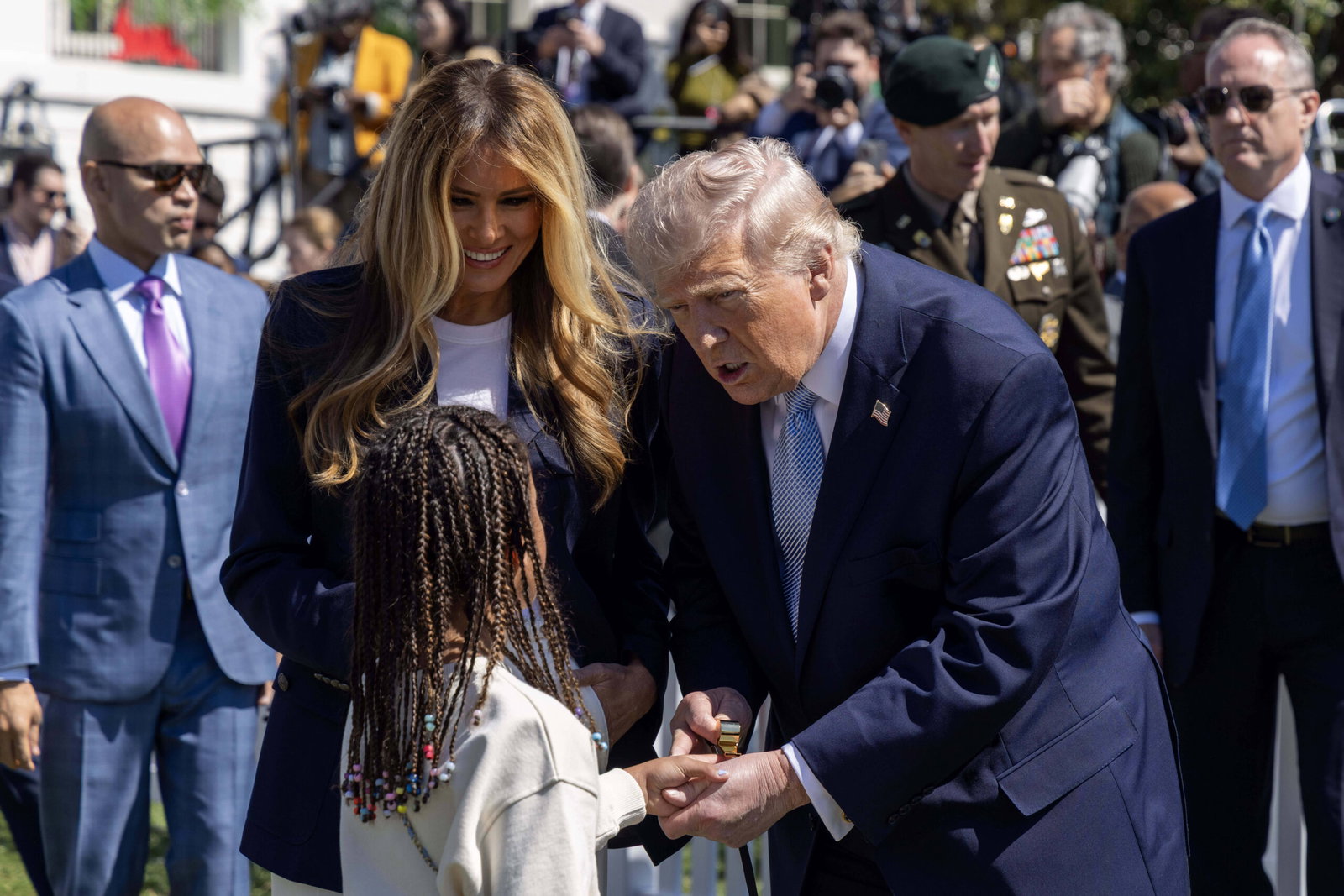
April 10, 2026, Washington, Dc, United States of America: U.S President Donald Trump, and First Lady Melania Trump greet a young girl during the annual Easter Egg Roll on the South Lawn of the White House, April 6, 2026 in Washington, D.C. Washington United States of America - ZUMAp138 20260410_zaa_p138_033 Copyright: xLuciaxLubanovich/NationalxParkx
April 10, 2026, Washington, Dc, United States of America: U.S President Donald Trump, and First Lady Melania Trump greet a young girl during the annual Easter Egg Roll on the South Lawn of the White House, April 6, 2026 in Washington, D.C. Washington United States of America - ZUMAp138 20260410_zaa_p138_033 Copyright: xLuciaxLubanovich/NationalxParkx
May 8, 2026, 5:36 PM CUT
Health Experts Say Return of Presidential Fitness Award Misses the Point
American schools are bringing back the Presidential Physical Fitness Award as part of their broader initiative to inspire youth to take up sports. However, experts believe that this initiative largely misses the point.
The fitness test, which was introduced to middle school and high school students first in the 1950s, crowned those who scored in 85 percentile in events like sprinting, push-ups, sit-ups, among others. This test was, however, removed in 2013.
In a push for students' health, President Donald Trump signed an executive order in 2025 to bring back the tests. His administration is now working towards bringing a mandate for 161 schools on U.S. military installations to include such tests and awards.
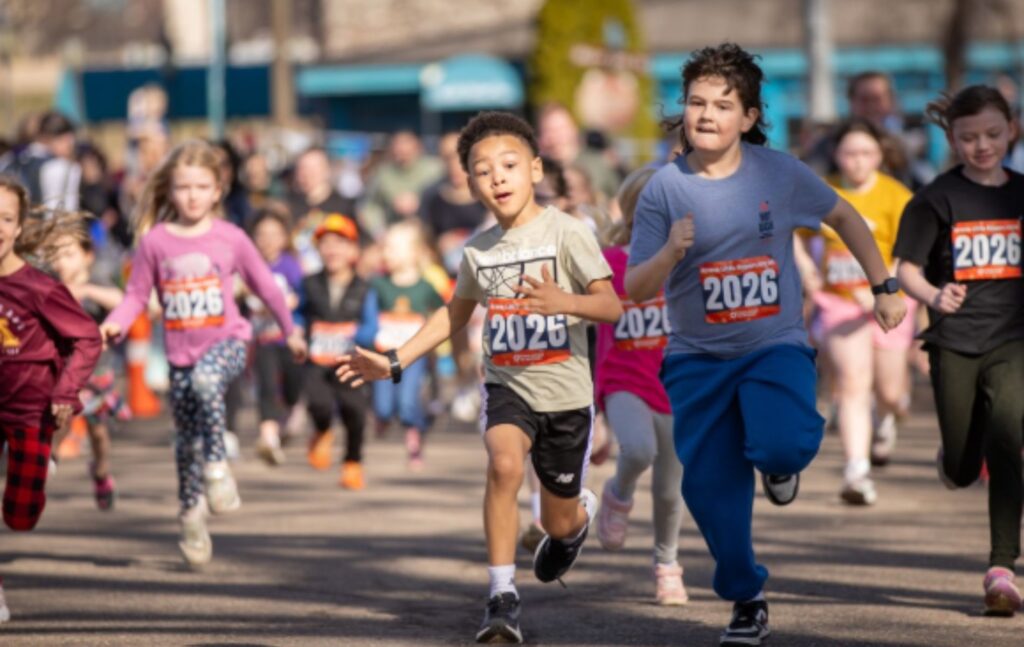
Credits: @twincitiesinmotion on Instagram
Credits: @twincitiesinmotion on Instagram
However, College of New Jersey kinesiology and health sciences professor, Avery Faigenbaum, has made it crystal clear that "fitness testing is not going to improve the health and well-being of the American youth."
He believes that the issue is not an individual one, but rather a systemic one. While individual fitness testing would foster productive competition, real change requires deeper thought.
"If we have this data, what systems are in place in our schools, in our communities, to spark a lifelong interest in physical activity?” he asked.
While director of the Children’s Physical Activity Research Group, Russell Pate explains that the new protocols fall more in line with modern research, to Faigenbaum, the implementation still feels "half-baked".
Avery Faigenbaum points out crucial drawbacks in the new Presidential Physical Fitness Award model
While Trump's actions come in clutch at a time when only 20-25% of US children get the 60 minutes of recommended physical activity every day, Faigenbaum sounded an alarm on one major issue.
“You can’t test kids into fitness,” he explained, adding that the tests might even humiliate kids into forming a bitter relationship with sports. Moreover, kids with different disciplines might find it harder to fit the award mold.
“There’s the potential for this to be a positive experience, but in the same breath, there’s the potential for this to be a negative experience, and those negative experiences don’t disappear," Faigenbaum further added.
While these tests might help gather data for public health policies, it upsets the very thing it was set out to do: inspire physical activity.
What's your opinion on the new Presidential Physical Fitness Award? Let us know in the comments.
Follow Bodybuilding Bros for more
Written by

Proma Chatterjee
Edited by

Souvik Roy