Jan 21, 2026, 10:22 PM CUT
Here’s How to Get Rid of Saddlebags: The Workout and Diet Approach That Actually Works
In today's era of staying fit and active, nobody would want to have saddlebags, the excessive fat in the upper thighs.
Getting rid of them can be a challenging task, but a proper workout regimen and the right diet can certainly help you lose your saddlebags.
Blood flow is comparatively lower in our upper thighs, which is why they are less reactive to adrenaline and receive fewer fat-burning signals, which ultimately lead to saddlebags.
Although men can also develop saddlebags, women with a pear-shaped body are at the highest risk. However, controlling your diet is the most crucial step towards getting rid of saddlebags.
Maintain a Calorie-Deficient Diet
According to Legion, cutting down on 75 to 80 percent of the usual calorie intake and then burning them can help lose stored body fat.
Following this for a few days or weeks is easy, but sustaining it for a few months is no cakewalk. But sticking to the diet is what can actually make saddlebags disappear.

Imago
Credits: freepix
After choosing a reduced-calorie diet, the next step is balancing the required macronutrients. Here are a few pointers about the same:
- 20-30% of total calories must come from fats.
- Remaining calories can be taken in the form of carbs.
- 1 gram of protein per pound of your body weight.
This blend helps you stay full, supports overall health, and provides efficient energy during a workout.
Combination of Exercise to Drive Away Saddlebags
A mix of cardio and strength training is the most effective combination to get rid of saddlebags, with the latter being the better catalyst.
Strength training builds muscle, which ultimately helps burn more calories and improve metabolic health.
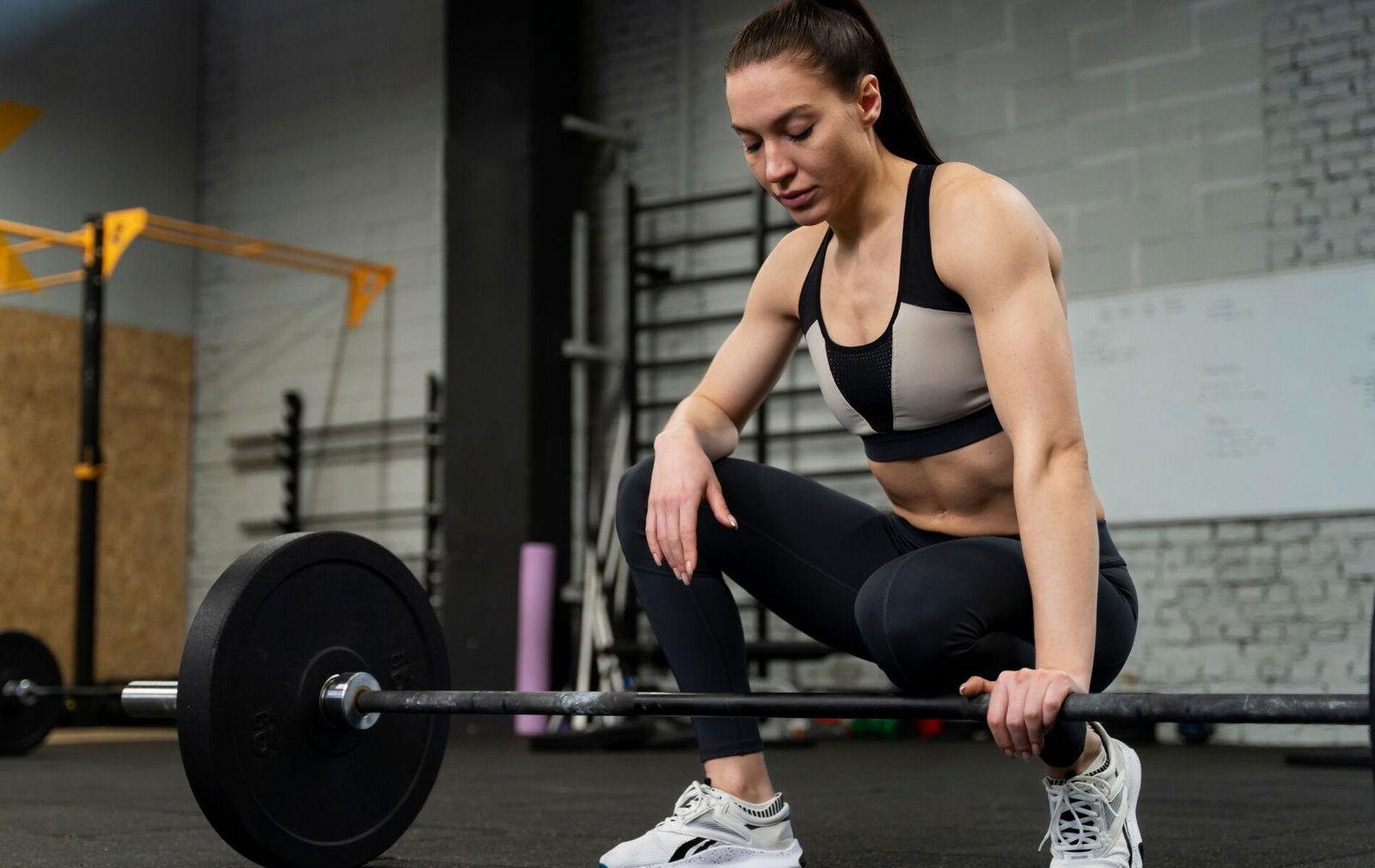
A well-designed strength-training workout plan that includes compound exercises (bench press, squat, overhead press, and deadlift) can come in handy for the purpose.
However, don't forget about the diet. Otherwise, all your efforts might go to waste.
Written by
Supradeep Dutta
Edited by

Souvik Roy