
set with meat and chicken wings, sauce and vegetables Berlin, Berlin, Germany R_KUAL250904B-1799657-01
set with meat and chicken wings, sauce and vegetables Berlin, Berlin, Germany R_KUAL250904B-1799657-01
Dec 19, 2025, 11:58 AM CUT
Here’s What You Need to Know About Food Addiction- Choices and Reality
Food Addiction is currently not listed in the DSM-5 framework, a diagnostic tool published by the American Psychiatric Association, but that doesn’t mean that it’s not harmful.
In layman's terms, it’s an addiction when a person loses control over their dietary habits with certain food items.
Is it really addiction?
In the books of Anne Marie O’Melia, MS, MD, FAAD, and chief medical and clinical officer at the Eating Recovery Center, it is a real thing. “In my experience, some affected people find the term ‘food addiction' validating, empowering, and useful for their recovery,” she explains.
In contrast, licensed psychotherapist Teralyn Sell, Ph.D, says, “If you can’t stop yourself from eating something, overeat, find yourself being secretive about eating something, or even have a withdrawal, such as you feel sick or have a blood sugar imbalance, that is an addiction.”
Call it whatever you want, but an excessive urge for anything is harmful to the human body.
What Makes Certain Foods Addictive?
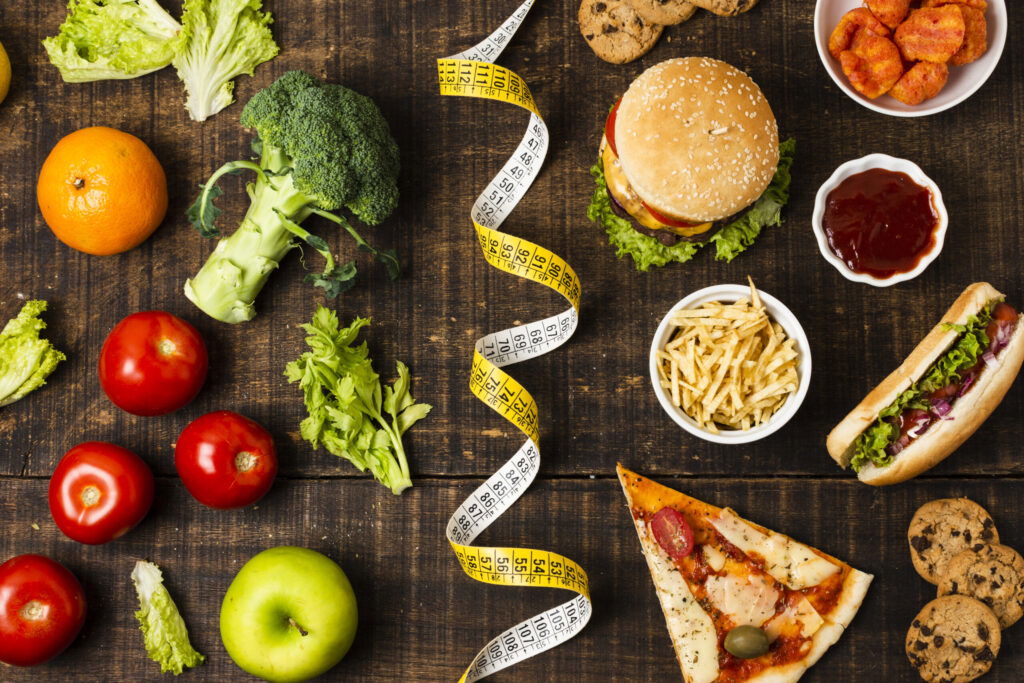
Highly processed food items, such as sugary drinks, chips, and sweets, are made in such a manner that they are filled with sugars, fats, and salt, which are highly addictive.
Credit: Freepik
Credit: Freepik
These food items activate the dopamine receptors in the brain. In addition to that, they increase the sugar level in your body, reinforcing craving, overeating, and addiction.
Put simply, short-term gratification takes a huge toll on one’s body if the habit is prolonged.
Signs Of Developing Food Addiction
People who often suffer from Food Addiction have some things in common:
- Intense cravings for specific processed foods.
- Difficulty stopping or controlling consumption.
- Continued overeating despite negative consequences
Take it like this, you know it’s harmful to your body, yet you still consume those products willingly.
What does the research say?
Research suggests that up to 20% of adults and 15% of kids show an addiction-like consumption behaviour, which is often overlooked, and mostly it’s only processed food. Some experts even argue that this addiction is as bad as substance addiction, such as cigarettes.
Health Side of Food Addiction
Addiction of any kind is harmful to the human body. Addictive-like eating often leads to obesity, metabolic disorders, diabetes, and other chronic diseases. Many research studies have expressed that highly processed foods are the prime cause of food addiction.
How to Overcome it?
The path is difficult but not impossible. Experts have shared their understanding of how to overcome this, along with several practical tactics.
- self-compassion
- customized treatment that does not center around weight loss and willpower
- identification of trigger foods
- nutritional counseling
- medication
Sell suggests avoiding “should” statements when thinking about processed foods. “Shoulding is negative because it brings about feelings of guilt and shame for not accomplishing what one had wanted,” She explained.
With a proper mindset, one can overcome their consumption plans, but this requires serious willpower.
Written by

Suryakant Das
Edited by

Joyita Das