
Jan 4, 2026, 3:24 PM CUT
Here’s Why Keeping Count on Ultra-Processed Food Intake Is a Must for Everybody
Ultra-processed foods offer convenience, and while they're light on your wallet, you pay with your health.
New research links them to dozens of health conditions, from heart disease and cancer to depression and anxiety. Here's what the science says and why tracking your intake is critical.
What science says about Ultra-Processed Foods?
A study by the National Heart, Lung, and Blood Institute found that a higher consumption of Ultra-Processed Food amounts to an increased risk of heart disease, stroke, hypertension, diabetes, dyslipidemia, and obesity.
Further studies have expressed that a mere 10% increase in UPF intake is directly related to a high mortality rate. It includes non-cancer as well as cardiovascular failure. That’s not all, ultra-processed food is found to induce depression, anxiety, and other common mental disorders.
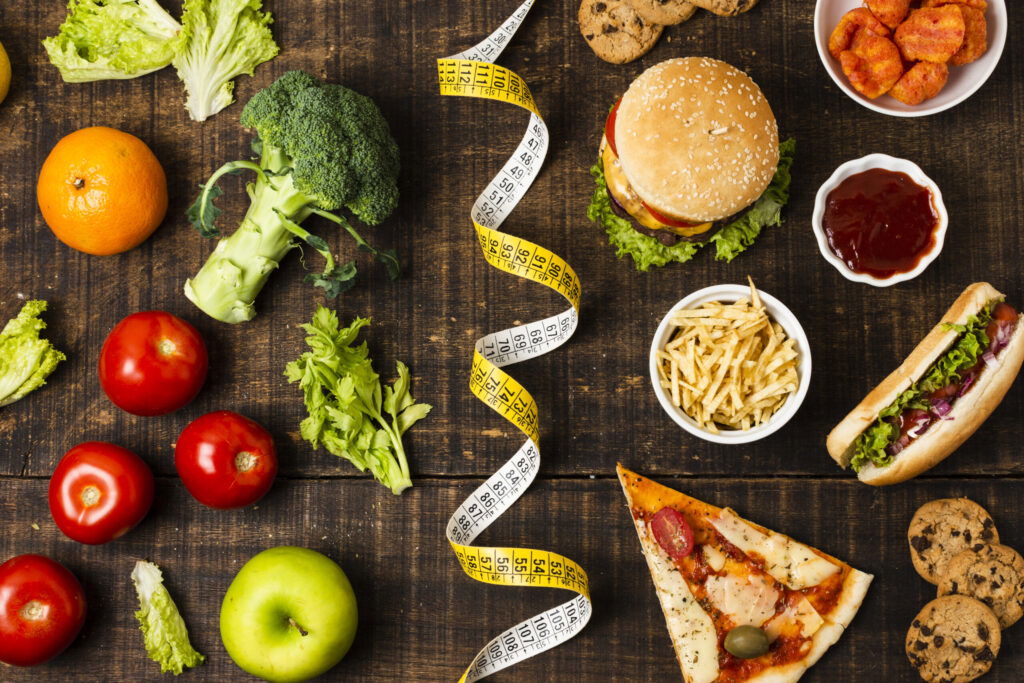
Credit: Freepik
Credit: Freepik
Besides, renal decline and respiratory disease can happen anytime if ultra-processed foods are consumed regularly. So the bottom line is that there’s no benefit to ultra-processed foods. Yet, how bad is the risk?
Health Risks Related to UPFs
Chemically engineered combinations of sugar, salt, and stimulants hit the dopamine level through the roof, which drives overconsumption.
As per Julie Ruelle, RDN, LDN, “Research has linked ultra-processed foods to 32 different health conditions. Recent studies are now linking these foods to mental health issues like depression and anxiety, and it’s like we’ve created the perfect storm of dietary disaster.”
Take Ultra-Processed meats, for example, they have been classified by the WHO as a Group 1 carcinogen. For the unaware, it is a categorization shared by tobacco and asbestos, for their links to colorectal cancer.
In November 2025, a JAMA Oncology study revealed that women who eat a lot of UFPs are 50% more likely to develop pre-cancerous polyps before 50, compared to those with cleaner, nutrient-dense diets.
So, how can you stop eating ultra-processed?
Cutting out UPFs from your diet can be tough. “Our bodies are incredibly resilient,” said Julie Ruelle, and the high sugar and salt content in UPFs makes it even harder. So start small.
"Making even small changes, like swapping out that sugary cereal for a bowl of oats or trading a packaged snack for a piece of fruit, you can start to see improvements in your health almost immediately," she added.
Another step is to read the labels before putting something in your cart. If a product label has more artificial flavors, preservatives, emulsifiers, flavor boosters, and so on, you may want to do some more research.
Written by

Suryakant Das
Edited by

Sagnik Bagchi