
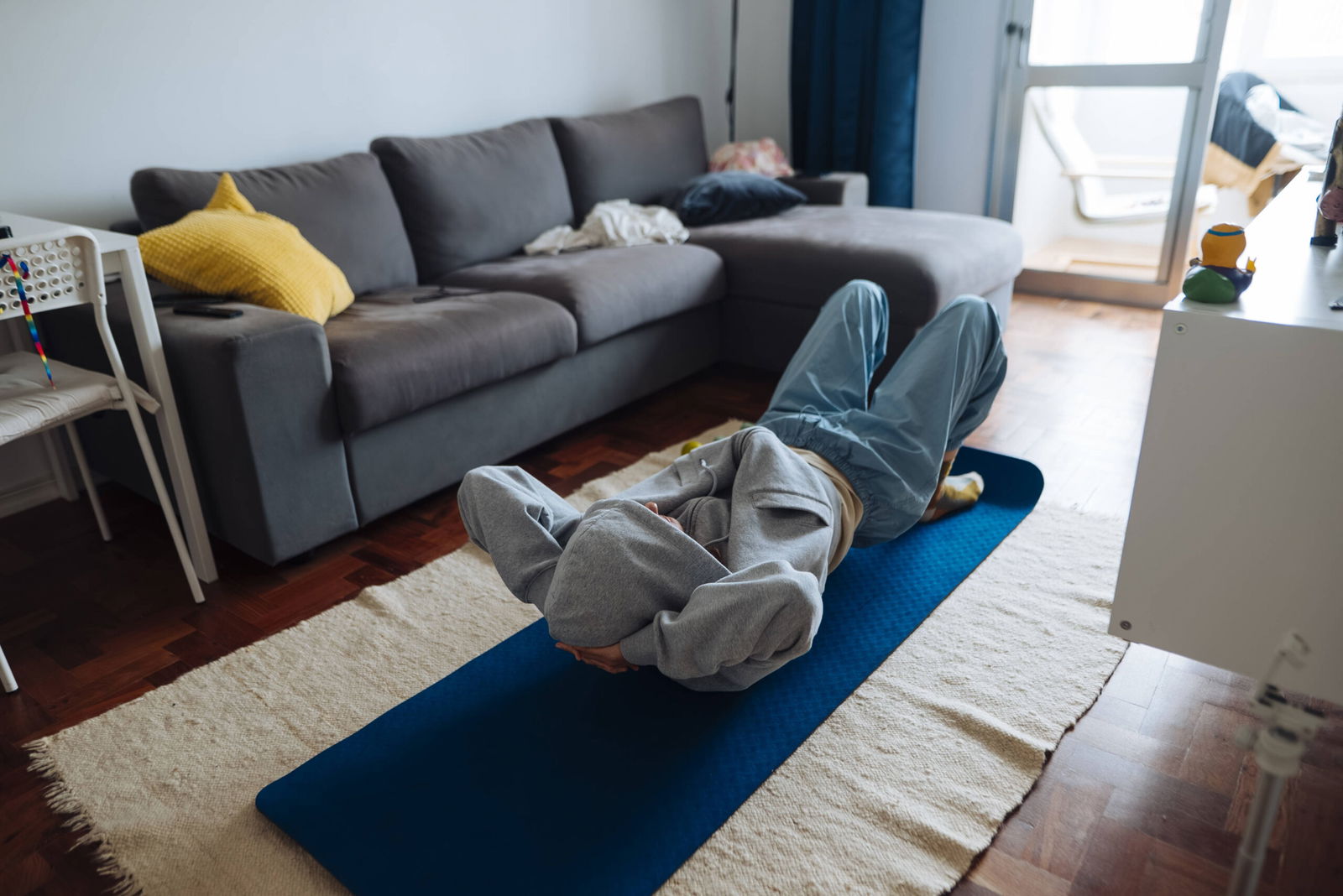
weiße Frau, die zu Hause Rehabilitationsübungen für die Körpermitte durchführt White female performing rehabilitation core exercises on blue mat, focused on posture and controlled movement, living room setting LicenseRF ,model released, Symbolfoto Copyright: xZoonar.com/OleksiixHrecheniukx 24366080 ,model released, Symbolfoto ,property released
weiße Frau, die zu Hause Rehabilitationsübungen für die Körpermitte durchführt White female performing rehabilitation core exercises on blue mat, focused on posture and controlled movement, living room setting LicenseRF ,model released, Symbolfoto Copyright: xZoonar.com/OleksiixHrecheniukx 24366080 ,model released, Symbolfoto ,property released
Mar 9, 2026, 1:48 PM CUT
How do exercises influence your mental health and self-esteem?
Exercise isn’t just good for your body, but a boon for your mental health and self‑esteem.
In a world where stress and anxiety have engulfed everyone, physical activity has emerged as a scientifically backed remedy for attaining better mental well‑being.
Countless studies have proven that movements as simple as brisk walking, or tougher ones like gym sessions, or yoga classes, don’t just strengthen muscles; they reshape the mind.
Here are some benefits of exercise on mental health and self-esteem
Regular physical activity releases endorphins, serotonin, and dopamine. These “feel‑good” neurotransmitters are associated with feelings of pleasure, calm, and happiness. These help lift mood, reduce stress, and have been known to mimic the effects of medications used for mild to moderate depression.
Exercise reduces depression symptoms
A 2019 Harvard T.H. Chan School of Public Health study found that 15 minutes of running or one hour of walking every day could reduce the risk of major depression by 26%.
It does so by enabling changes in the brain, like neural growth, reduced inflammation, releasing endorphins, and new activity patterns that promote feelings of calm and well-being.
Improves Self-Esteem
Exercise has a substantial effect on self-esteem. Research shows that when you fulfill any fitness goal, however big or small, it creates a sense of achievement in your mind that leads to an increase in self‑worth and self‑efficacy.
It helps you perceive yourself as stronger and more capable, boosting your confidence and sense of self-worth.
Lowers anxiety
Exercise boosts mental well-being by releasing endorphins. By paying attention to how your body feels during exercise, you can break the cycle of persistent negative thoughts.
Helps reduce stress
Stress symptoms include chest tightening, racing pulse, muscle cramps, insomnia, heartburn, stomachache, diarrhea, or frequent urination. Exercising is an effective way to relax muscles and relieve any tension lurking in the body, especially in the face, neck, and shoulders.
Helps manage ADHD
Exercising is an effective way to manage ADHD. It does so by improving concentration, memory, and mood. When you exercise, it releases dopamine, norepinephrine, and serotonin levels, leading to increased focus and attention.
Helps with PTSD and trauma
Patients suffering from PTSD are often recommended physical activities like hiking, sailing, mountain biking, rock climbing, whitewater rafting, and skiing to reduce their symptoms of PTSD. If you are not into those activities, then simply walking, running, swimming, weight training, or even dancing can help ease the symptoms.
Now that reasons are covered, only you stand in between the plan and it’s execution.
How to motivate yourself to exercise daily:
- Start with small exercises
- Workout when you're feeling the most energetic
- Perform exercises that you enjoy the most
- Prioritize comfort
- Reward even the smallest of achievements
- Train with friends and loved ones to make it more enjoyable
Have any other tips up your sleeve? Share with us in the comments!
Follow Bodybuilding Bros for all things fitness!
Written by

Ruwa Javed
Edited by

Joyita Das