
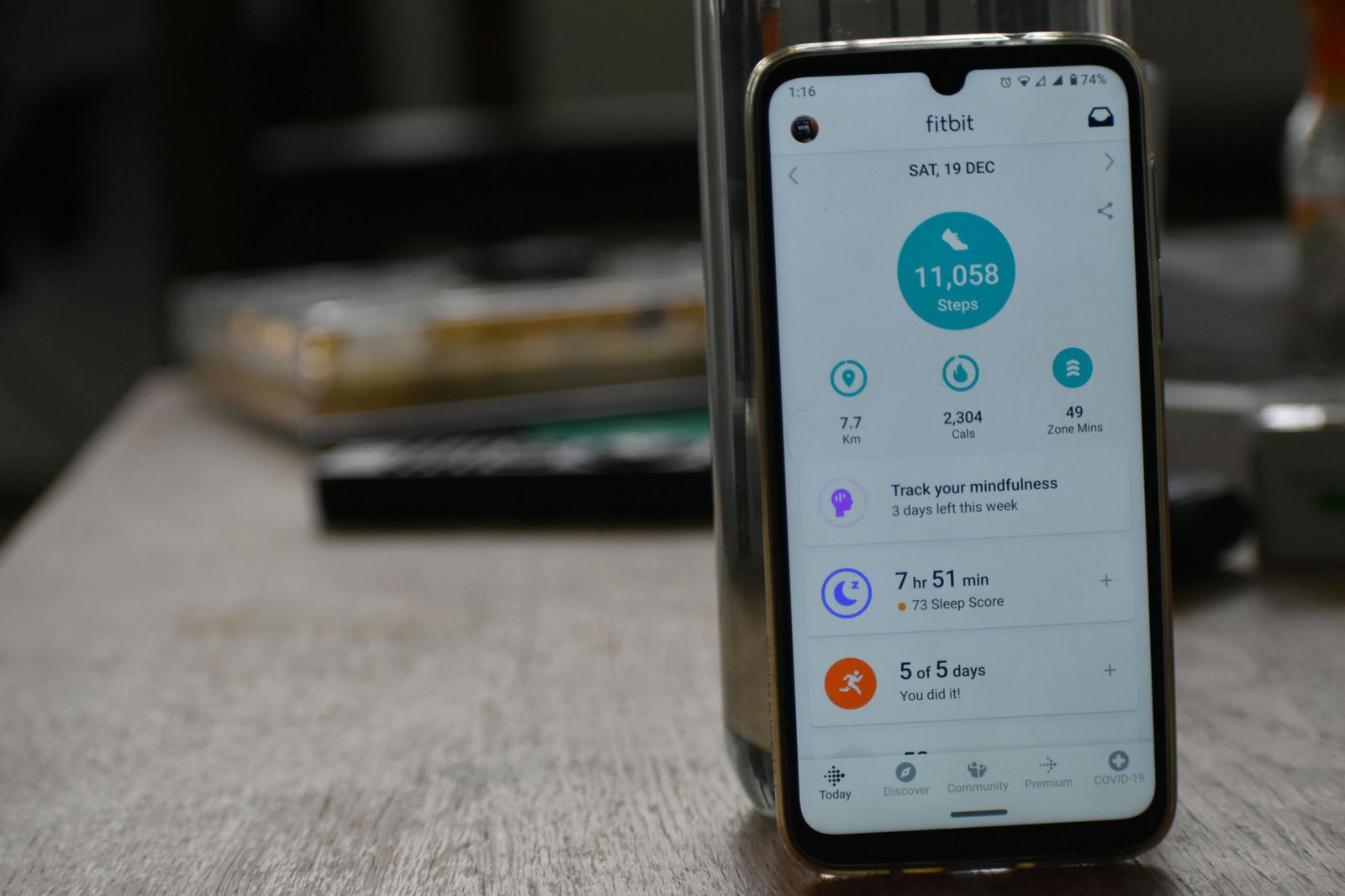
Photo by Joshua Miranda: https://www.pexels.com/photo/close-up-of-a-smartphone-screen-displaying-a-fitness-app-statistics-6298479/
Photo by Joshua Miranda: https://www.pexels.com/photo/close-up-of-a-smartphone-screen-displaying-a-fitness-app-statistics-6298479/
Jan 16, 2026, 10:30 AM CUT
How Do Smart Apps Influence Our Gym Workouts? Reality of Modern Fitness
Fitness apps have come a long way from being step counters to becoming an everyday habit.
As per Grand View Research, "the global fitness apps market size was estimated at USD 12.12 billion in 2025 and is projected to reach USD 33.58 billion by 2033, growing at a CAGR of 13.40% from 2026 to 2033."
These apps have evolved into personal trainers and nutritionists, available 24X7 right in your pocket. This shift is changing how we approach workouts, from building consistent habits to sparking social competition. And our friendly next-door AI integration is only adding to the interactive appeal.
So, can we really use a fitness app to drastically increase our performance? Let’s find out.
Fitness Apps are More Than Timers
Smart fitness apps have rapidly evolved into a dynamic workout buddy that can influence how, when, and what exercise one does. They guide routines, store personal data, and provide tailor-made suggestions.
Key offer sets include:
- Guided fitness training classes
- Real-time tracking of workouts and walking behavior.
- Personalized nutrition, goal reminders, and recovery suggestions.
Increased Workout Consistency and Intensity
Fitness apps gamify the entire workout experience, such that after completing a set, it feels like a small reward. This small practice has changed the lifestyles of many.
Users who adopt fitness apps are more likely to be regular with workouts, particularly cardio and strength training sessions. Baseline, habit formation is one of the most important moats of a fitness app.
Social Dynamics
Remember the gamified experience? Well, it works like a multiplayer game as well. Some fitness apps display rankings and share achievements, which turns the entire gymming experience into a social competition.
However, this is a double-edged sword. People who suffer from low self-control can feel highly discouraged by their results and sometimes push themselves to the point of injury.
Well-Being Beyond the Gym
Long-term app use correlates with improved:
- Physical fitness and walking behavior.
- Emotional and cognitive health outcomes.
- Body awareness and self-monitoring habits.
The use of fitness apps doesn’t end at the gym door. They influence the diet as well. Many apps come with a caloric meter, which is highly beneficial for those people who count their macros.
As technology advances, AI and mobile applications will redefine the future of the fitness industry. Macro calculators, AI coaches, and improved data analytics are just the start of the rabbit hole.
Given that, what is your take on technology and fitness? How do you use it?
Written by

Suryakant Das
Edited by

Joyita Das