Film Partners/Raf Industries/Kobal/Shutterstock
Film Partners/Raf Industries/Kobal/Shutterstock
Dec 8, 2025, 12:01 PM CUT
How Many Eras Of Bodybuilding Have We Seen So Far? Old School To The Modern Era
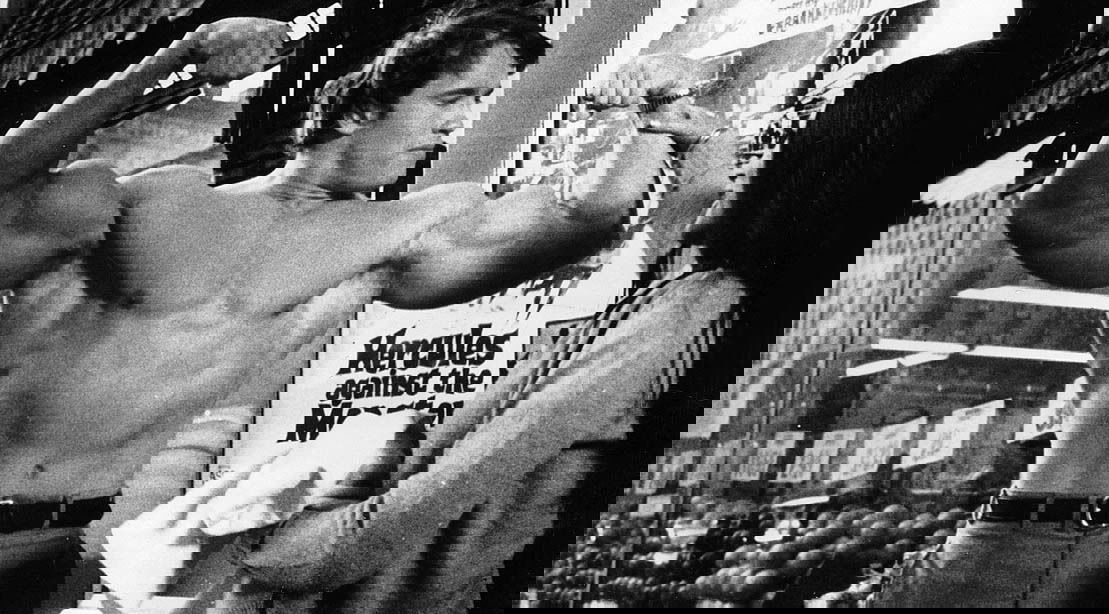
Bodybuilding has evolved through multiple eras, each one reshaping the sport and redefining what the ideal physique looks like. From the early days guided by pioneers like Joe Weider, where names such as Steve Reeves, Larry Scott, and Arnold Schwarzenegger set the foundation, the sport moved into phases marked by shifts in training methods, nutrition, presentation, and competition standards.
These transitions didn’t just change how athletes trained; they changed what fans expected and what the judges rewarded.
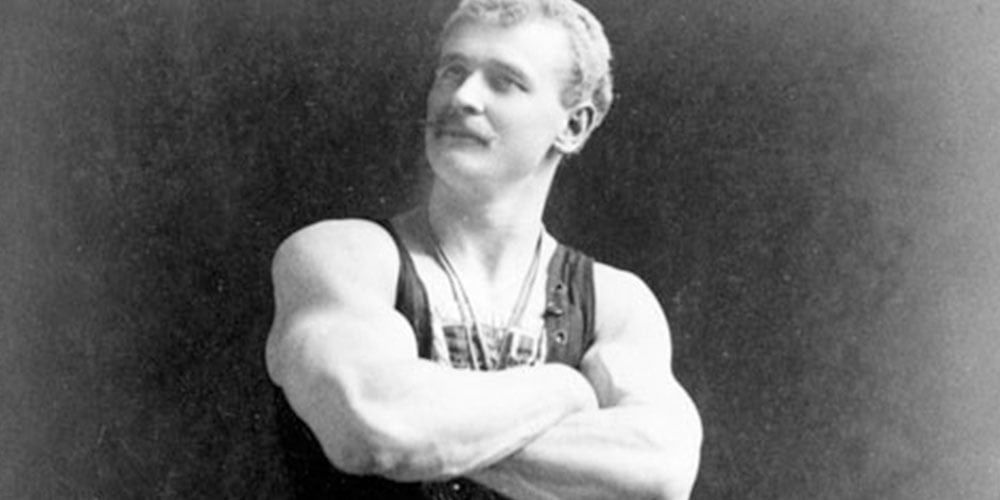
1. The Bronze Era (1890–1920s)
This era began when physical culture was taking off in Europe and America, where people were first learning how lifting weights changed the body. Performers like Eugen Sandow showed their physiques onstage, teaching crowds how muscle could look when trained. Bodybuilders and strongmen shared the same spaces, often posing and lifting in theaters and public halls. The purpose was simple: show strength, show shape, and inspire people to train. This era mattered because it set the first standard for what a trained body should look like.
Viia muscleandstrength
Viia muscleandstrength
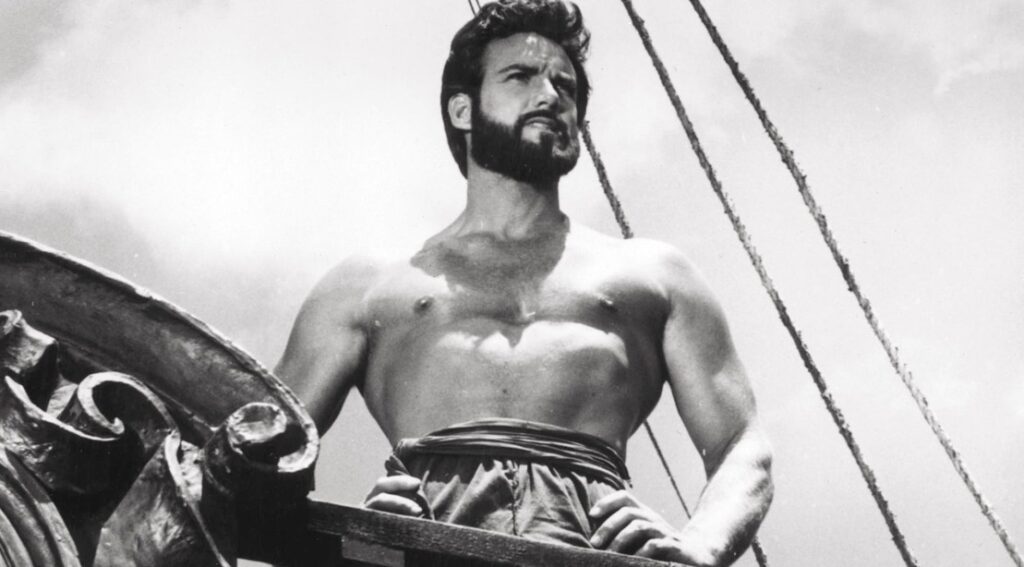
2. The Silver Era (1940s–1960s)
Training moved outdoors to places like the original Muscle Beach, where lifters practiced poses and Olympic-style movements in front of crowds. The lifestyle mixed beach culture with early bodybuilding competition, making the sport more visible in everyday life. Film roles and TV spots helped athletes like Steve Reeves spread the look worldwide. People trained full-body routines because gyms were simple and equipment was limited. This era set the stage for bodybuilding becoming entertainment, not just strength work.
Lux/Adelphia/Kobal/Shutterstock / Shutterstock
Lux/Adelphia/Kobal/Shutterstock / Shutterstock
3. The Golden Era (1960s–Late 1980s)
This period centered around Venice, California, where gyms like Gold’s became the home base for athletes chasing the perfect mix of size and aesthetics. Bodybuilders trained with high-volume splits, often spending hours targeting muscle shape and symmetry. Arnold's Pumping Iron brought the lifestyle to the public, showing why competition mattered and how intense prep could get. Supplements expanded and made nutrition more structured. This era is remembered because it balanced muscle growth with shape, creating physiques that many people still admire today.
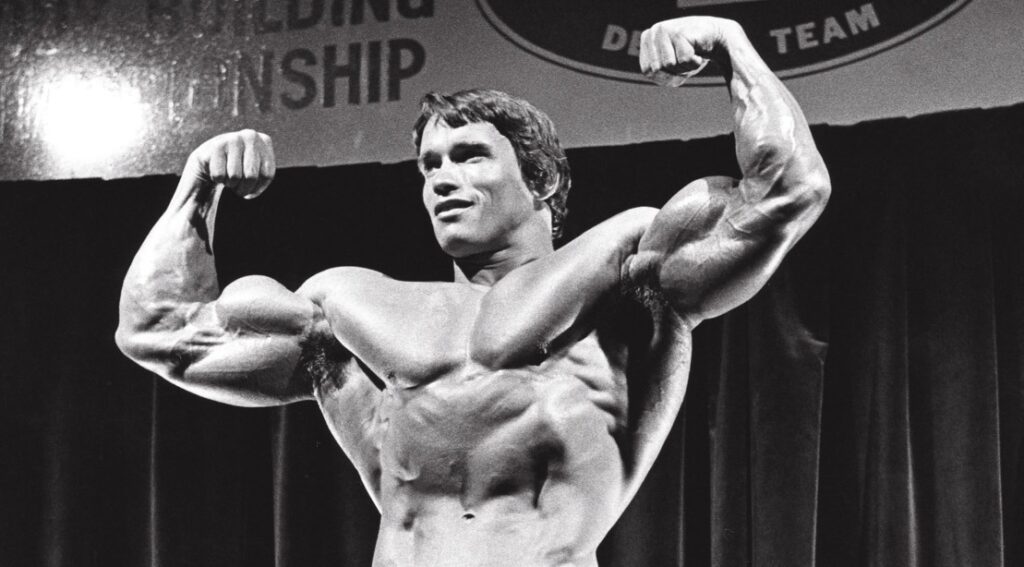
zeller/©fitness publications inc./courtesy of weider / M+F Magazine
zeller/©fitness publications inc./courtesy of weider / M+F Magazine
4. The Mass Monster Era (Late 1980s–2010)
Athletes in this era pushed their bodies to extreme size, using heavy training systems that focused on raw strength and maximum growth. Gyms became home to lifters hitting brutal sessions with massive weights, trying to outgrow the last champion. Physiques grew faster than the sport could adapt, raising debates about aesthetics versus size. Fans watched legends like Ronnie Coleman and Jay Cutler expand what was possible onstage. The era changed bodybuilding forever by showing just how far the human body could go.
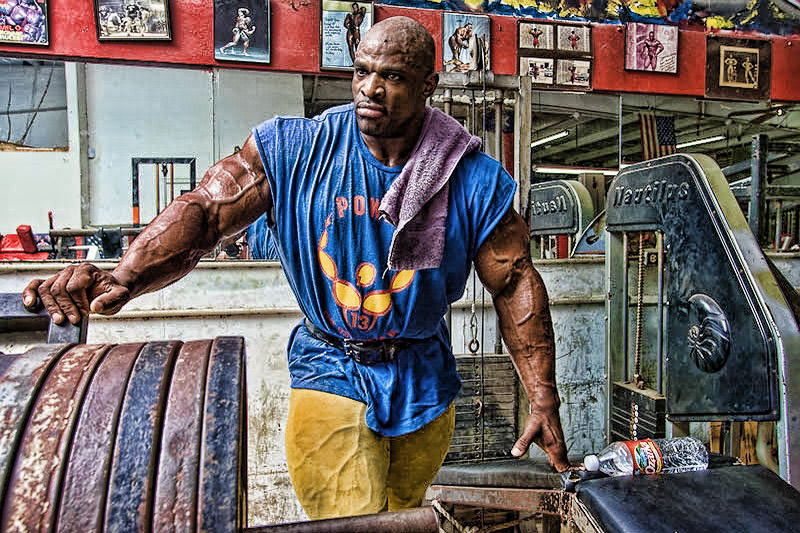
ronniecoleman8 / Instagram
ronniecoleman8 / Instagram
5. The Modern Era (2010s–Present)
Today’s bodybuilding scene blends mass with shape, pushing a look that respects size but still values symmetry. The rise of Classic Physique shifted attention toward cleaner lines and Golden-Era-style posing. Social media turned athletes into full-time influencers, giving fans a look into daily training and prep. Divisions allow different body types to succeed, making the sport more open to new styles. This era matters because bodybuilding is no longer about one ideal—it’s about finding a place where each athlete fits.
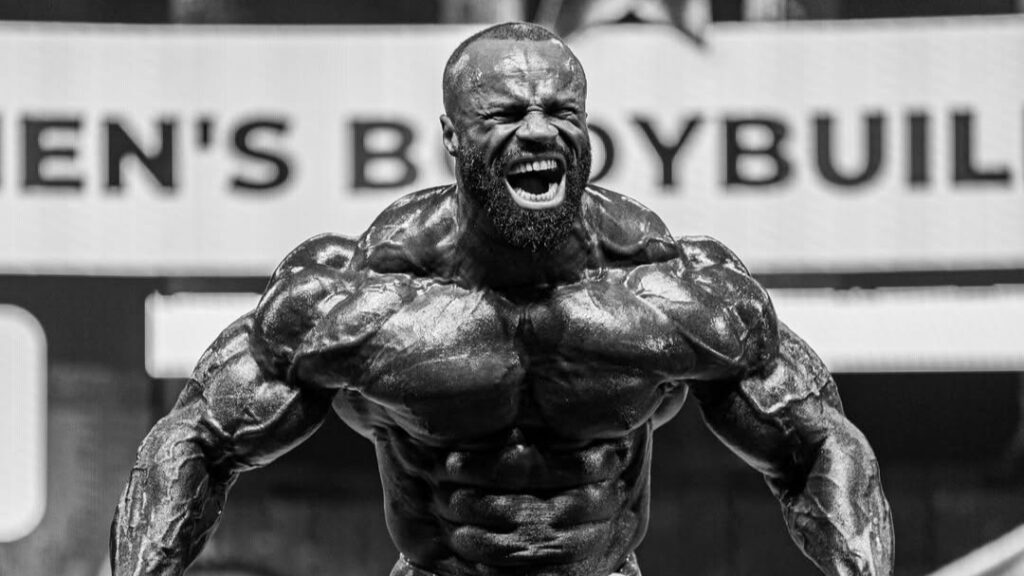
Samson Dauda/Instagram
Samson Dauda/Instagram
Which is your favourite era? Let us know in the comments section.
Written by

Amanjeet Singh
Edited by

Joyita Das