
azerbaijan_stockers via Freepik
azerbaijan_stockers via Freepik
Dec 17, 2025, 5:49 PM CUT
Is Clean Bulking Really Effective? Benefits, Downsides, Food, and More
Bulking is a famous concept among gym-goers. It is all about eating excessive amounts of food to gain muscle. However, in clean bulking, we mostly eat excess “quality” food.
We choose foods that help muscle or weight gain, but prevent fat gain. The trick is to choose carefully what you eat. As 4-time Mr. Olympia winner Jay Cutler said, “Remember, keep your diet in check. Try to eat as clean as possible.”
This technique is mainly used by athletes who aim to maintain a lean physique when they are not playing. Cutler also admitted, “When I didn’t have contests in this winter time, I would focus on putting on the mass. But you can build lean muscle mass."
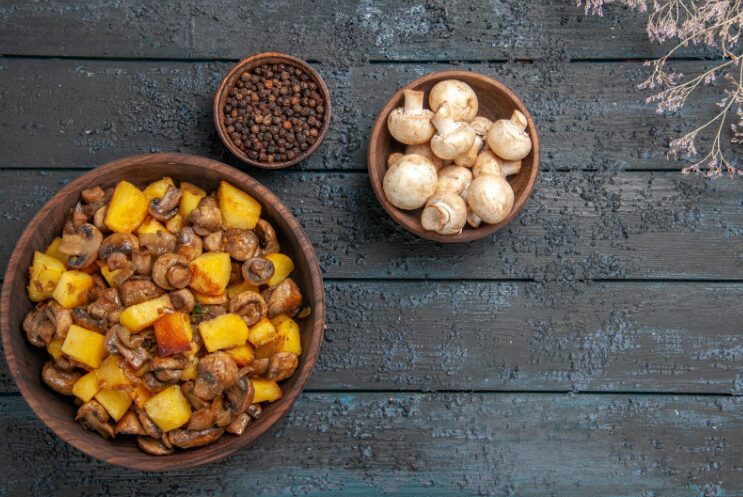
KamranAydinov via freepik
KamranAydinov via freepik
Now, let's see what the benefits and drawbacks of this bulking process are.
Benefits of Clean Bulking
One of the main benefits of clean bulking is that it limits excess fat gain. This technique suggests a slight calorie surplus of 300-500, which supports muscle growth and minimizes fat storage.
Another benefit of clean bulking is that it lowers the risk of negative health effects, specifically after years of excessive calorie consumption.
The former bodybuilder Chris Bumstead also admitted to GQ, “Eating clean foods has helped me a lot. I don't just go get McDonald's because it has a lot of calories. I make sure I get a high-quality grass-fed beef and everything.”
The clean bulking technique also promotes whole foods, which is why it can provide a larger amount of minerals, phytonutrients, and vitamins. A proper fiber-rich diet is beneficial for gut health and digestion, and it manages the risks of type 2 diabetes and heart disease.
Drawbacks of Clean Bulking
While this technique has many benefits, it also has some drawbacks. Because clean bulking tightly controls calorie surplus, muscle growth can stall if you underestimate your calorie intake.

via Freepik
via Freepik
In addition, this technique can be stiff, as clean bulking discourages high-fat products and limits diet choices, making this process harder to continue for a long time.
How to Start a Clean Bulking?
To begin with, calculate your maintenance calories first, then add a calorie surplus of 10-20 percent. When bulking, ensure that your protein intake is 0.7 to 1 gram per pound of body weight for optimal muscle gain, with the remaining calories derived from fats and carbohydrates.
In order to track your progress, weigh yourself regularly and aim for a 0.25-0.5 percent weight gain per week. If you don’t see results, gradually increase your weekly calorie intake by about 100-200 calories.
Foods to Include
During bulking, one must add lean protein options such as chicken, fish, Greek yogurt, and cottage cheese. Olive oil, nuts, chia, and hemp seeds for healthy fats. All kinds of beans, chickpeas, oats, whole grains, and millets. Leafy greens such as spinach and kale.
Foods to Avoid
Foods to limit or avoid include fried and canned food, fatty cuts of pork and beef, soft drinks, sweets, and all junk foods. In this way, you can enjoy your bulking and weight gain while eating healthy.
Have you ever tried clean bulking? Share your experience in the comments.
Read more on Bodybuilding Bros
Written by

Supradeep Dutta
Edited by

Oajaswini Prabhu