Imago
Credits: @neymarjr on Instagram
May 29, 2026, 1:00 AM CUT
Neymar’s Physiotherapist-Led ACL Recovery Journey Back to the World Cup
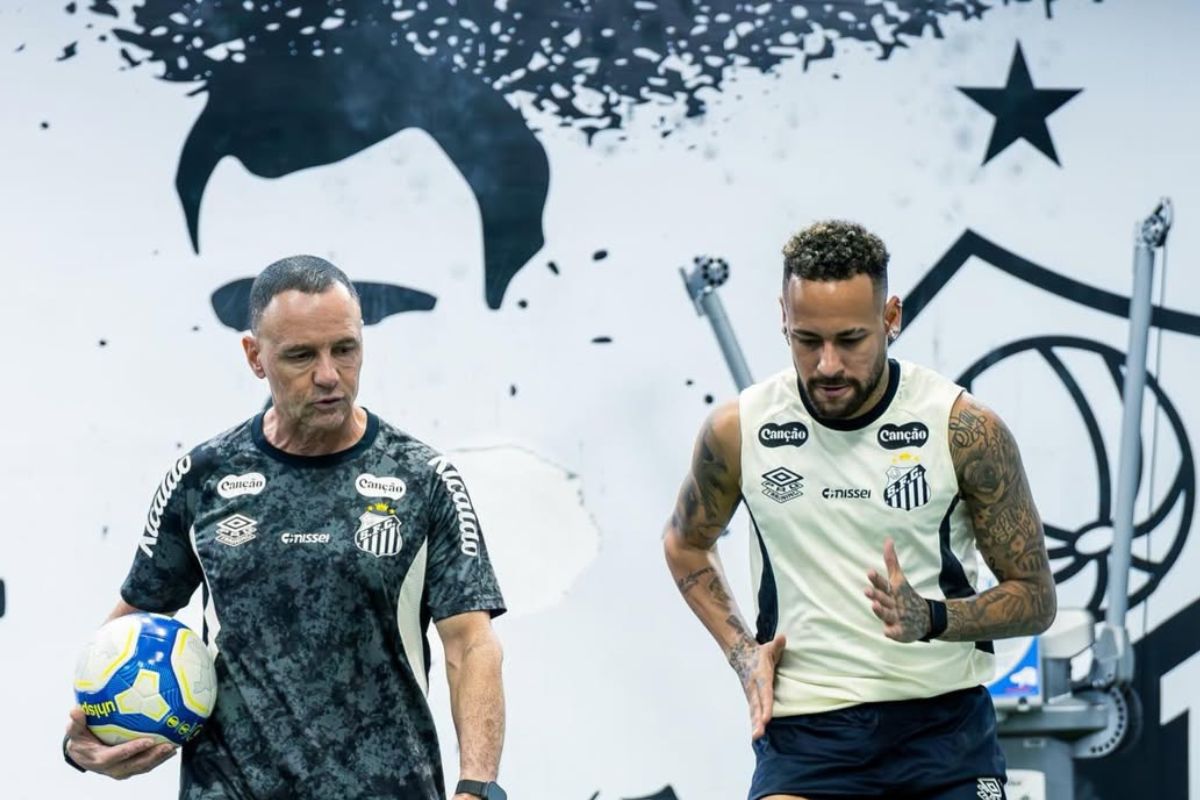
The world of sports is known for its memorable comeback stories, and Neymar Jr.'s return from his 2023 ACL injury is nothing short of miraculous. However, the Brazilian soccer star has every reason to thank his physiotherapist, Ricardo Rosa, for his recovery.
In October 2023, during the South American World Cup qualifier against Uruguay, Neymar left the pitch in tears, clutching his knee after a devastating ACL and meniscus injury. The severity of the injury also put a question mark on whether he would be able to continue playing.
Fast forward to 2026, and Brazil's manager Carlo Ancelotti officially included Neymar Jr. in the squad for the 2026 FIFA World Cup this week. "He [Neymar Jr.] has improved his fitness. He will be an important player in the World Cup," Ancelotti said during the press conference.
And the minute he heard the news of his selection, he gave a tight hug to the man who made it possible for him: Rosa. Talking about his miraculous comeback, Neymar Jr. said, “What I want most in life is to play football. I suffered every day I was off the pitch.”
Rosa's recovery routine for Neymar Jr. included everything from:
- Physiotherapy: Included forced knee flexion and straightening exercises, pneumatic compression, and recovery boots.
- Strength training: Exercises like single-leg leg presses, isometric split squats, and Bulgarian split squats to improve quads and glute strength.
- Plyometrics & Deceleration: Single-leg landings, hurdle jumps, and lateral change-of-direction drills safely absorbed up to 6-times Neymar Jr.'s body weight during braking.
However, these were only a summary of the Brazilian star's recovery workout routine. Let's get into the specifics now.
A detailed look at the specifications of Neymar Jr.'s recovery process
According to Thomson Medical, rehabilitation of an ACL and meniscus tear begins immediately after surgery, within the first few days. The physiotherapists begin with gentle exercises to prevent knee stiffness and initiate the healing process.
The patient initially uses crutches after surgery and gradually increases the weight they put on their affected leg until they can bear the full weight. This is done 7 to 10 days after the procedure, until the patient is comfortable without a crutch. Here is a full breakdown of the recovery process:
Phase 1: Recovery (0-2 weeks)
Objective
- Full knee extension
- Bring swelling down
- Heal quad muscles
Strengthening exercises
- Isometric Quadriceps contraction
- Straight Leg Raises
- Heel Slides
- Mini Squats
- Stationary Bike
- Calf Raises
- Hamstring Curls
- Balance and Proprioception Exercises
- Wall Slides
- Lunges
- Step-Ups
Phase 2: Strength (3-6 weeks)
Objective
- Regain single-leg balance
- Regain muscle strength
- Complete a proper single-leg squat
Strengthening exercises:
- Lunges
- Step-ups
- Squats
- Bridging
- Calf raises
- Hip abduction strengthening
- Core exercises
- Balance
- Gait drills
- Cycling, swimming, and walking.
Phase 3: Agility (6-8 weeks)
Objective:
- Improve endurance
- Improve agility
- Regain the full strength of the lower limb
Strengthening exercises:
- Slalom running
- Shuttle runs
- Ladder drills
- Scissor jumps
- Single hops
- Box jumps
- Single-leg landings
Phase 4: Return to the Sport (3-5 months)
Objective:
- Incorporate rehab training into routine training.
- Focus on building mental health and confidence, along with physical training
- Regular monitoring, risk mitigation, and mental preparedness
Strengthening exercises:
- Agility drills
- Plyometrics
- Changing exercises
- Drills of specific movements
For more such news, follow Bodybuilding Bros
Written by
Ruwa Javed
Edited by

Souvik Roy