Imago
Freepik
Jan 30, 2026, 6:12 PM CUT
RKC Plank: How To Do It Perfectly To Build Stronger Arms and Core
If you are looking for a real challenge, then try doing the RKC Plank.
Invented by a former Soviet special forces trainer, Pavel Tsatsouline, the Russian Kettlebell Challenge or RKC plank is a variation of the standard plank, which forces you to engage your quads, glutes, lats, core, and grip.
Instead of making you hold your position, the plank creates tension throughout your body. This increased difficulty induces core gains in just 20 seconds.
How to do the Russian Kettlebell Challenge plank
If being still was ever a punishment, then RKC is the prime example. Follow these steps to perform RKC and watch your core remain stable even in your old age.
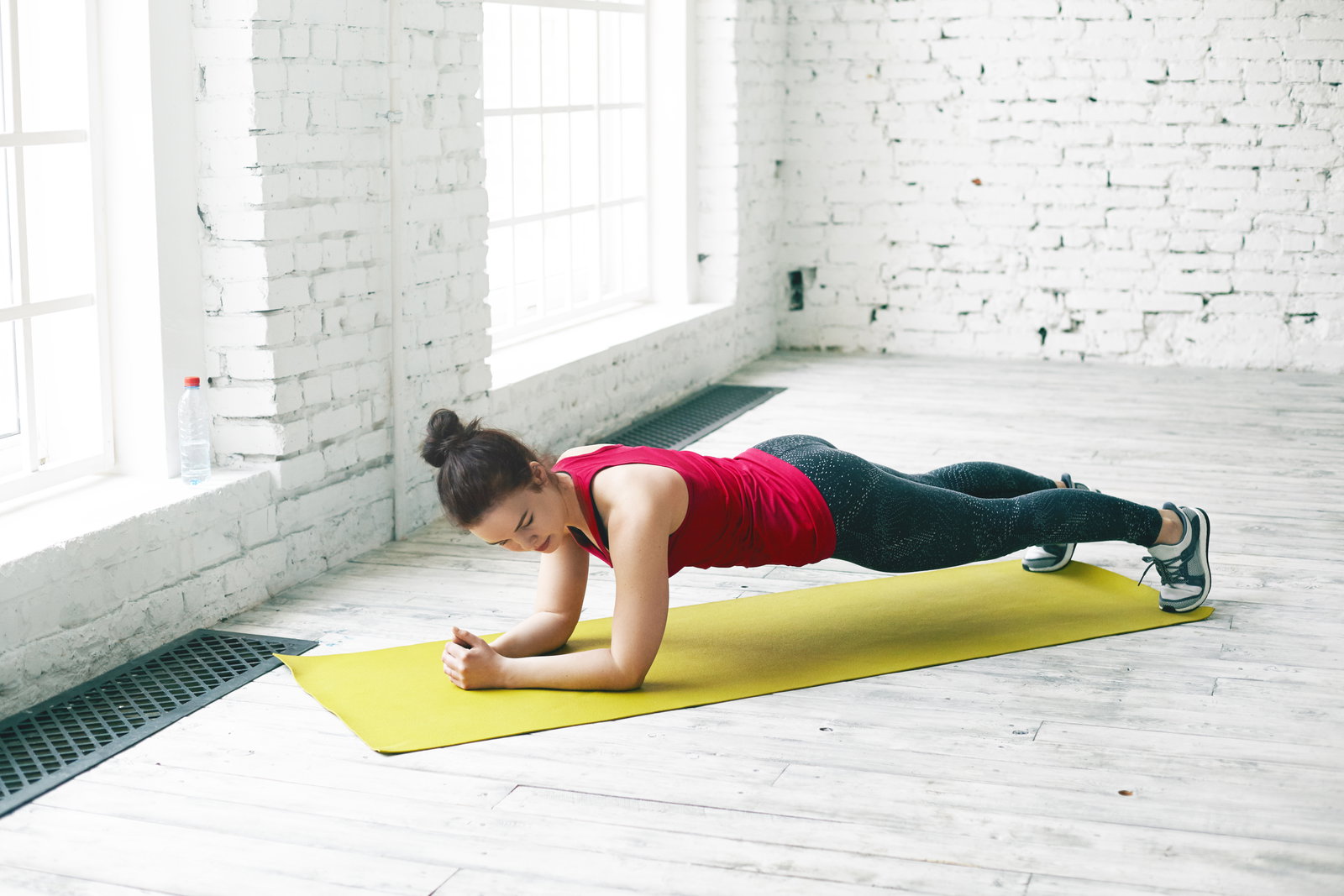
- Get in the standard plank position. Keep your elbows under your shoulders and feet apart.
- Clench your fists and put your forearms firmly on the ground.
- Compress your glutes and quads as hard as you can.
- Now, for the catch. Pull your elbows towards your toes and your toes towards your elbows, without moving them.
- Take a deep breath and hold for 10-20 seconds.
- Release the squeeze and your breath between reps.
For beginners, start with 10-second planks, then 30 seconds, and then gradually increase the intensity.
Muscles involved during an RKC plank:
- Rectus Abdominis
- Transverse Abdominis
- Obliques
- Lowerback
- Glutes
- Quadriceps
- Lats
- Shoulder and traps
- Forearms
Common mistakes made while performing the RKC plank:
- If you can easily hold the plank position for 20 seconds, then you are not doing it correctly. You need to create enough tension for it to work.
- Don't sag your hips; it will put stress on your lower back. Don't push them too high up, or it will shift the focus away from the core.
- Don't hold your breath unnecessarily; it will lead to loss of tension and excess fatigue.
- No need to hold for long. Focus on building tension, and it can be done within 10-20 seconds of multiple sets.
Benefits of the RKC plank:
- It helps build muscles.
- Enhances core strength
- Plank strengthens the core, which in turn strengthens muscles and alleviates lower back pain, and improves posture.
- Puts tension on the entire body
- Improves hip muscles
- Helps get chiseled and strong abs
Variations of the RKC planks:
- Weighted plank
- Single-leg plank
- Side plank
- Body Saw plank
Best practiced 2-4 times per week, it involves the use of maximum tension rather than long holds. For balance, the RKC plank should be used along with compound exercises such as squats, lunges, deadlifts, and rows. Using it as an isolation exercise on the same day should be strictly avoided.
Want more tips and tricks, or want to keep up with your favorite stars' fitness regimen's? Check out Bodybuilding Bros.
But before that, if you have incorporated the RKC Plank, what does your routine look like? Tell us in the comments.
Written by

Ruwa Javed
Edited by

Joyita Das