
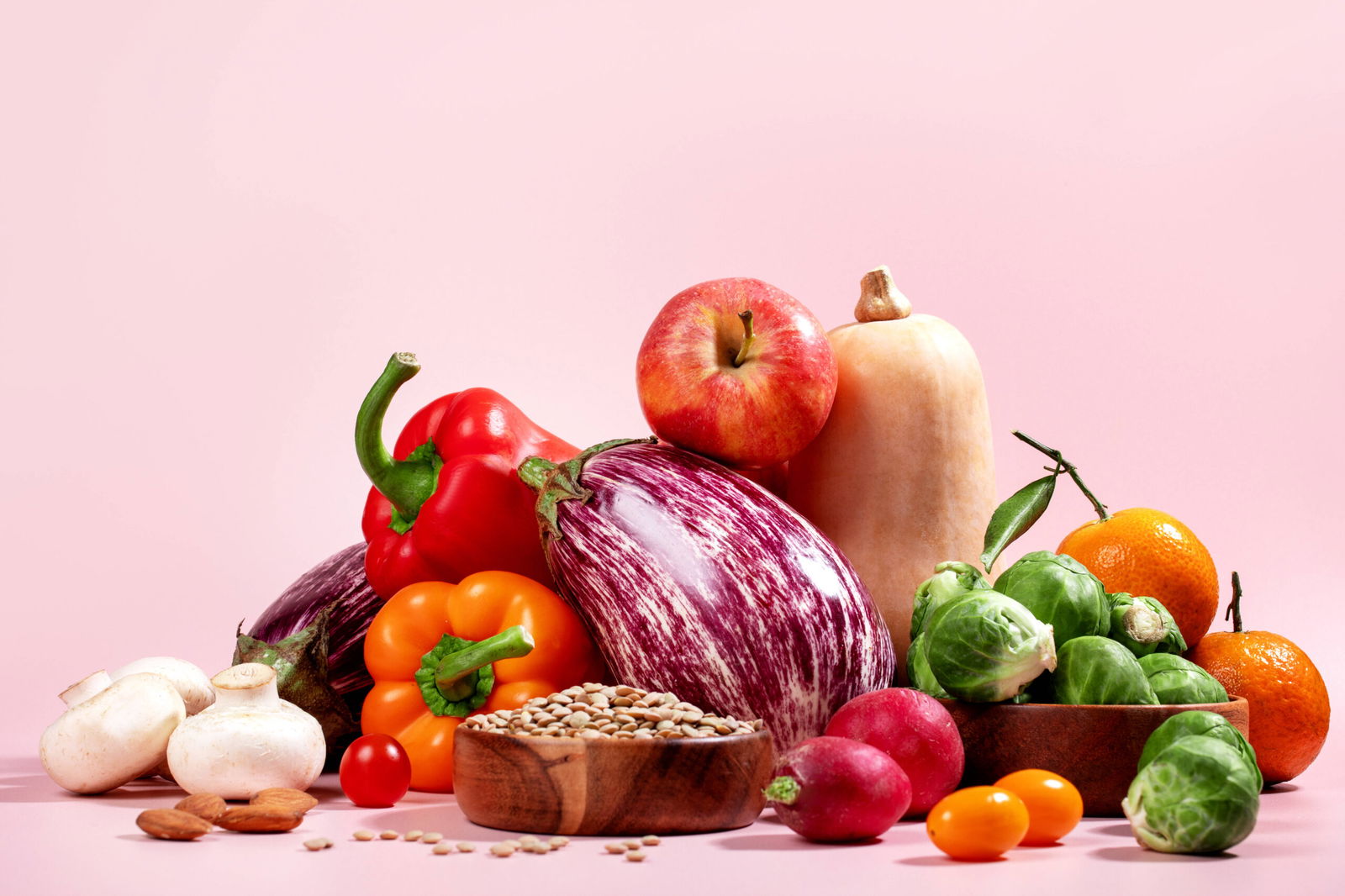
Vegan card with fresh seasonal autumn vegetables, vegan fall still life on pink Vegan card with fresh seasonal autumn vegetables, vegan fall still life on pink, copy space Model Released MariaShchipakina_ID30328_1023731_007 Copyright: xx
Vegan card with fresh seasonal autumn vegetables, vegan fall still life on pink Vegan card with fresh seasonal autumn vegetables, vegan fall still life on pink, copy space Model Released MariaShchipakina_ID30328_1023731_007 Copyright: xx
Feb 8, 2026, 9:30 PM CUT
6 Vegetables That May Spoil Your Fitness Journey and Should Be Avoided
“Oftentimes, the processing and preparation method can have a big impact on the final nutritional profile of a vegetable choice,” says Lauren DeWolf, RD at Sharp Rees-Stealy’s Center for Health Management.
So, what’s it about? Sadly, not all greens come with guaranteed nutritional benefits that support the fat loss journey. Some get unfair praise, while many others genuinely can derail progress if consumed without context. How to filter out? Find out.
Starchy Potatoes
Potatoes are highly nutritious and a staple food. That’s true, but they also come with higher calories and starch, which can spike blood sugar levels much faster than leafy greens.
That’s not all, if you consume them in the form of chips or fries, there’s bad news. They come loaded with fats and salt, which can wipe out any calorie deficit you’re trying to maintain.
If you are on a caloric-deficient diet, then limit those potatoes and make sure to stay as far away from fries. Still craving potatoes? Mash them and add your favourite protein source, such as chicken or red meat, with spices to relish the taste.
Corns
Arguably one of the tastiest grain, Corn certainly have high beneficial properties, but they come packed with natural sugar as well as loaded with carbs, which can slow fat loss if eaten in excess.
You can easily include corn in meals like salads, soups, and salsas, or enjoy it simply boiled or grilled on the cob. Thanks to its fiber content, corn helps promote a feeling of fullness while also supporting healthy digestion.
Peas
Don’t judge them by their size; they might be small, but they are starchy and carbohydrate-dense.
For those managing blood sugar levels, it is advisable to follow moderation when it comes to starchy veggies.
Pro Tip: Reserve peas for balanced meals, not bulk snacks.
Carrots
Why carrots, you ask? Thanks to the high sugar content, they are often labelled as a bad choice. They contain more sugar than equally crunchy celery sticks and bell peppers. It doesn’t matter if you are eating them raw or cooked. The sugar inside them can spike the insulin levels more than spinach or broccoli.
Use Moderation: Pair with protein or fat to blunt blood sugar spikes.
Iceberg lettuce
Iceberg lettuce isn’t really a vegetable to avoid, but it doesn’t have the same nutrient density as other leafy greens. However, it isn’t completely useless either, as it’s high in water content and also provides folate, potassium, and calcium.
Nightshade Vegetables
Tomatoes, peppers, eggplant, and more are often linked to inflammation in a subset of people who can’t really handle them.
“The nightshade vegetables are one example. For a subset of people, eating nightshade vegetables like tomatoes, peppers, and eggplant increases inflammation in the body,” said Halle Saperstein, RD, a registered dietitian at Henry Ford Health.
While most tolerate these fine, if you have joint pain or post-workout inflammation, they might be worth testing out.
Now that you know, follow us for more tips and tricks.
Written by

Suryakant Das
Edited by

Joyita Das