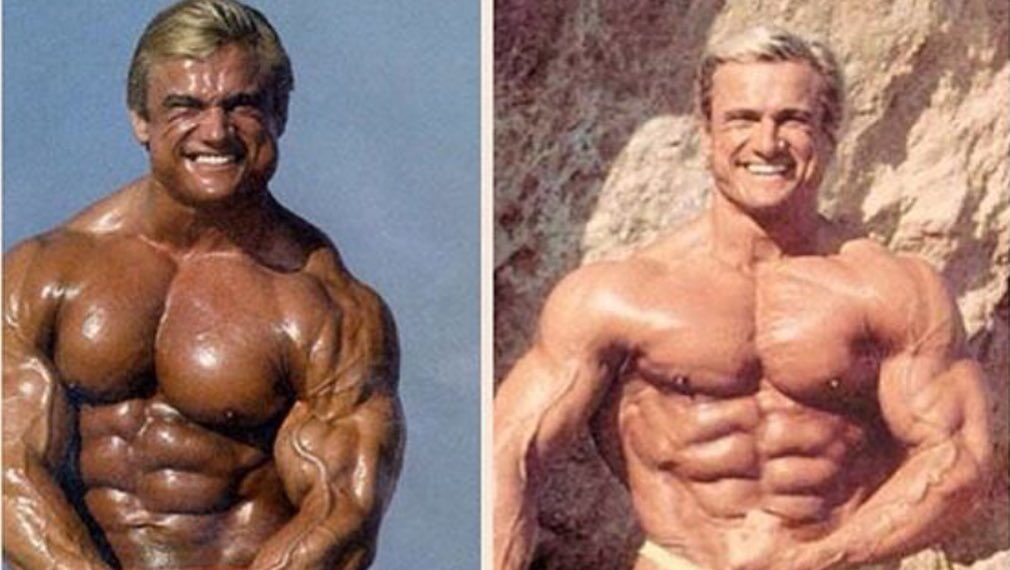
Tom Platz/ Instagram
Tom Platz/ Instagram
Dec 1, 2025, 11:17 AM CUT
The Forbidden Moon Pose In Bodybuilding: Here's How The Posture Got Banned
Bodybuilding has a secret that many newcomers never see- A single pose so controversial that it was banned almost everywhere. The “moon pose” wasn’t just another flex. It became a symbol of everything people loved and criticized about the sport, and that’s where this story begins.
Bodybuilding is a sport focused on developing muscle size, strength, and definition through disciplined training and posing. On stage, competitors perform standardized poses that highlight different muscle groups, enabling judges to assess muscle size, symmetry, and overall conditioning. Common mandatory poses include the front double biceps, back double biceps, side chest, and abdominals and thighs.
Each pose is designed to showcase specific muscles and overall body balance, making posing a crucial part of competitions. While some poses are mandatory, others allow athletes to add personal flair and creativity. This structured posing routine directly connects to the Moon Pose, a once-famous posture in bodybuilding that is now banned.
Enter the forbidden moon pose
Inspired by a yoga-style forward fold, the athlete faces away from the judges, locks the knees, and bends at the hips, flexing the glutes, hamstrings, and calves. It’s brutally honest. Every line, every striation on the back of the legs and glutes is exposed under the lights. For bodybuilders blessed with legendary legs, this was once the ultimate mic drop, but no longer appears in the rulebook anymore.
Tom Platz, Ronnie Coleman, and the pose’s legacy
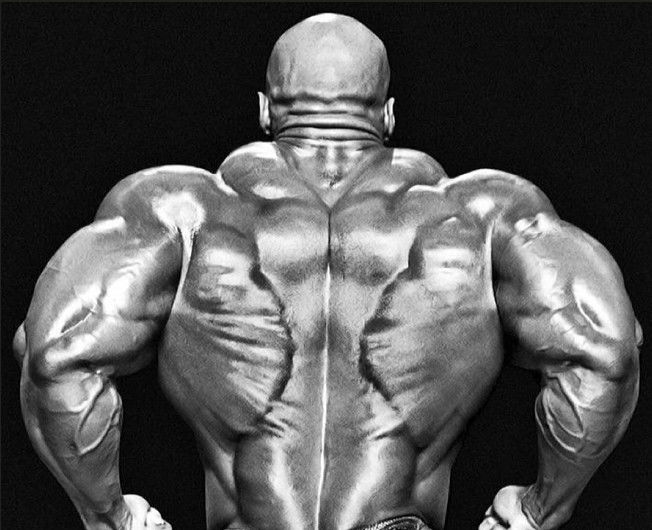
ronniecoleman8/Instagram
ronniecoleman8/Instagram
The moon pose is most famously tied to Tom Platz, a man whose legs have become myth in bodybuilding culture. He used this posture to display every fiber of his posterior chain, turning his lower body into his signature weapon.
Years later, even Ronnie Coleman, known for one of the greatest backsides in bodybuilding history, would also hit the moon pose, though it never became his trademark. The pose itself, although, very similar to yoga forward fold, on a bodybuilding stage, under bright lights, with oiled muscles and posing trunks, it sends a very different message.
Why the Moon Pose Crossed the Line
A big part of the answer lies in how the bodybuilding community was viewed during a certain era. In that environment, a muscular man bending over in minimal clothing, exposing his glutes to the judges and audience, was easily framed as vulgar rather than artistic.
The Moon Pose was later banned by major organizations like the National Physique Committee (NPC) and the IFBB Professional League. Athletes who chose to perform the Moon Pose started to be labeled and mocked. For many outside observers, the image of an oiled, heavily muscled man bent over on stage reinforced every stereotype they already had about bodybuilding. The federations, worried about the sport’s reputation and mainstream acceptance, decided it wasn’t worth the risk and formally banned the pose in major competitions.
Is the Ban Really About Decency?
Whether the ban was fair is another question. Many fans and athletes feel the pose itself isn’t indecent. It’s just a dramatic way to show off leg development. The “obscenity” comes more from the lens through which people choose to see it than from the movement itself. Bodybuilding already pushes the boundary of how much the human body can be displayed and judged; the Moon Pose simply pushed that line a bit further and paid the price when culture wasn’t ready for it.
If you compete, the rule is straightforward: never hit the Moon Pose on stage, no matter how flawless your hamstrings look, because doing so can earn you penalties or even disqualification. But once you step off stage, the story changes. In the gym, during a private photoshoot, or in your own training content, the pose still lives on as a powerful way to check your posterior chain and appreciate the progress you’ve made.
And that’s exactly why its legacy continues. The Moon Pose may be banned from competition, but it remains a reminder that bodybuilding is more than muscle. It’s a mix of drama, rules, and the legends bold enough to push those boundaries.
So the final question is yours to answer: if you had the authority, would you bring the Moon Pose back, or let it remain a legendary, underground piece of bodybuilding history?
Written by

Mohd Mudabbir Ansari
Edited by

Joyita Das