Victor Freitas/Pexels
Victor Freitas/Pexels
Dec 8, 2025, 5:25 AM CUT
The 10 Intense Exercises You Should Never Try Without Expert Assistance- Risks and Solutions at the Gym
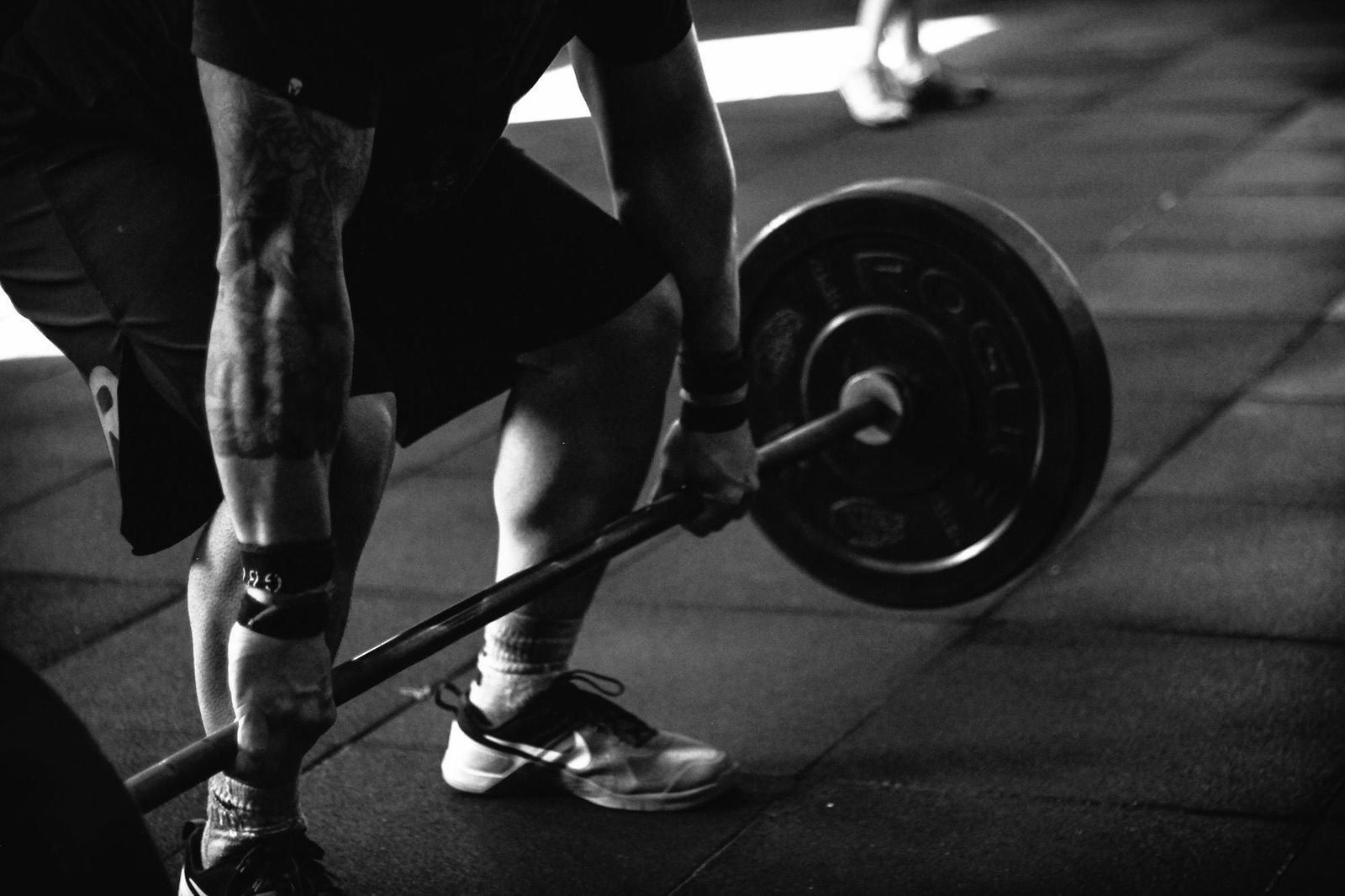
Some exercises in the gym carry a high risk of injury when performed without proper supervision. Movements that involve heavy loads, difficult positions, or complex techniques can stress on joints, tendons, and the spine, especially when done without guidance. Research supports this concern as well. Studies on resistance training safety show that coaching from qualified trainers reduces the likelihood of form errors and lowers injury rates, particularly in exercises that require technical skill or involve maximal effort.
So which exercises should you avoid attempting alone, and what safer solutions can help you train without unnecessary risk? Let's find out.
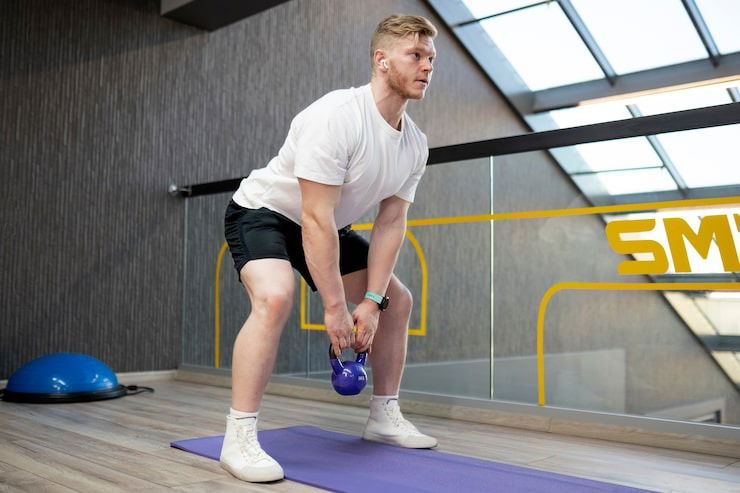
1. Kettlebell Swing
You use this move when you want power and full-body strength, but it only works well when the hips do most of the work. The swing happens in open space, and the weight travels fast, which is why losing form can stress the shoulders and lower back. When done correctly, it trains the glutes, hamstrings, and core in one motion. If you try it without a coach watching your form, you may rely on your arms instead of your hips, which is where the injuries start.
Freepik
Freepik
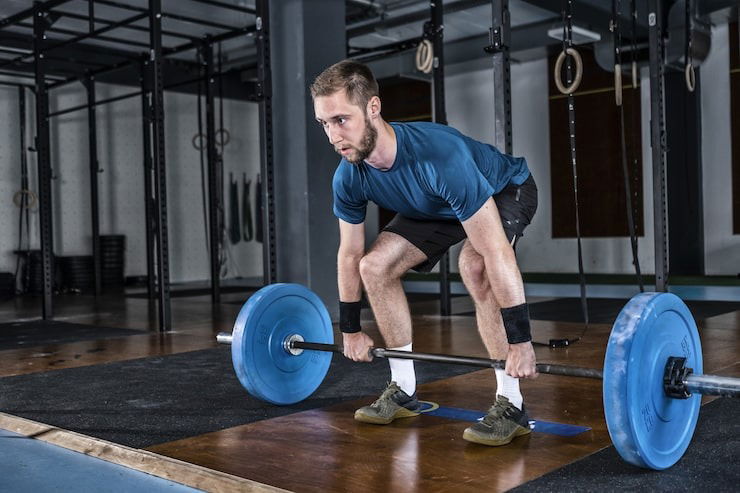
2. Romanian Deadlift
People turn to RDLs when they want better hip strength and hamstring development. The lift happens right from the floor or rack and demands a stable spine. Many beginners drop into a rounded back without noticing, which is why trainers usually teach this one slowly. When performed the right way, it builds strong posterior-chain muscles and improves everyday lifting patterns. Without guidance, it becomes one of the fastest ways to strain the lower back.
Freepik
Freepik
3. Overhead Squat
You usually see this in weightlifting or CrossFit settings because it challenges mobility and stability at the same time. The bar sits overhead while you squat, forcing the shoulders, core, hips, and ankles to work together. It benefits posture and body control, but only if every joint moves well. Without an expert checking alignment, small errors stack up fast—knees shift forward, arms fall forward, or the back arches too much.

Freepik
Freepik
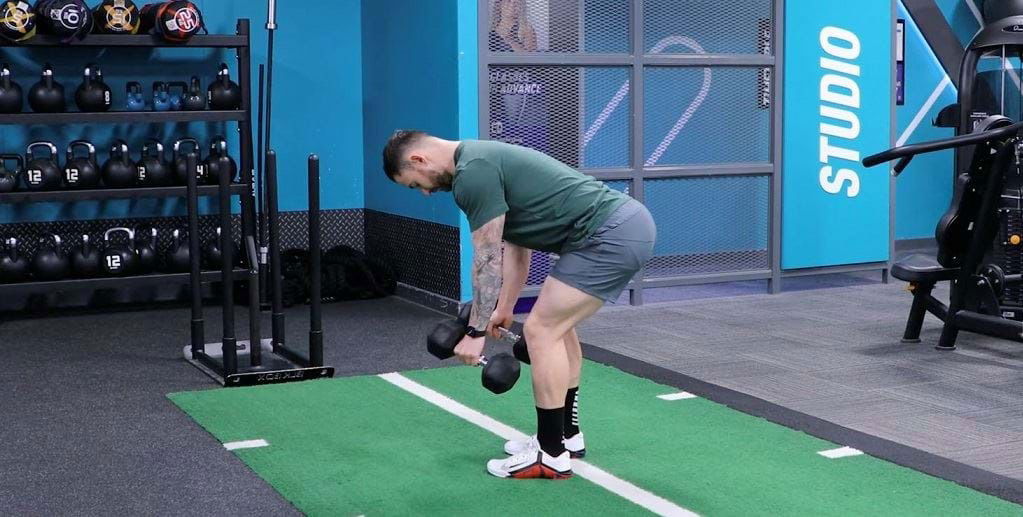
4. Bent-Over Row
This move works the upper back whenever you hinge forward and pull the weight toward your body. It can strengthen the lats and rear shoulders, but holding the hinge position is the tricky part. Many people drop into too much spinal flexion, which can irritate discs. With a trainer showing how to brace the core and hinge from the hips, the row becomes a reliable strength builder.
Via Pure Gym
Via Pure Gym
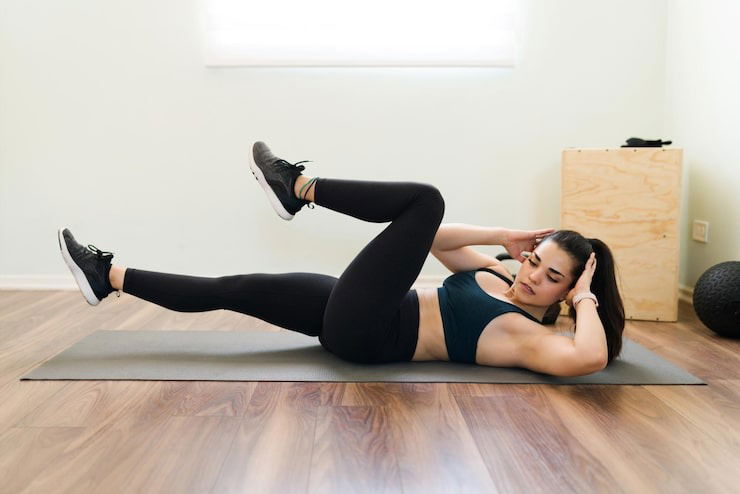
5. Bicycle Crunches
People use them to hit the abs and obliques, usually toward the end of a workout. Problems start when the movement gets too fast and the lower back begins to sway. The twisting is useful when it’s slow and controlled because it strengthens rotational muscles. But without supervision, the neck and spine end up doing more work than the core, which defeats the purpose entirely.
Freepik
Freepik
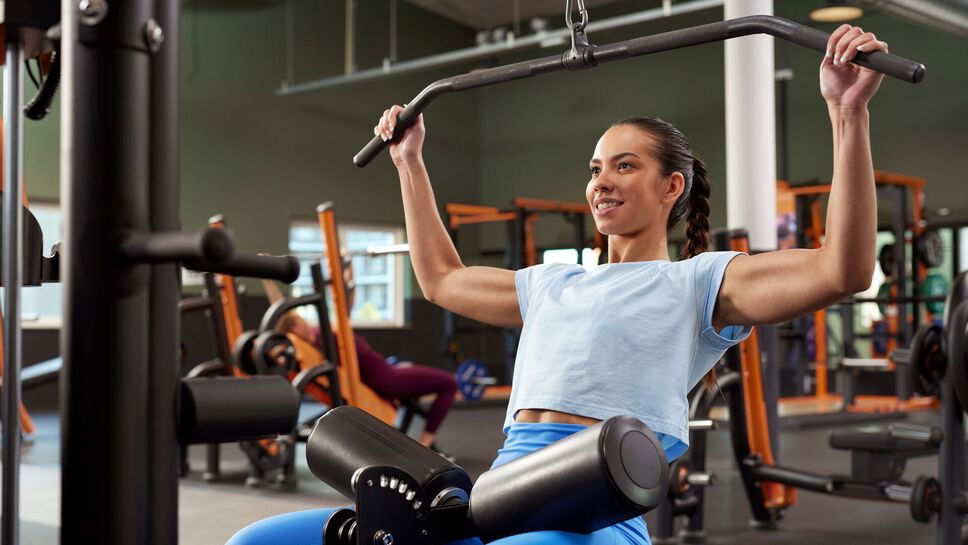
6. Lat Pull-Down (Behind the Head)
This version is often attempted when someone wants to “upgrade” their back workout. The machine setup seems simple, but pulling the bar behind the neck forces the shoulders into a stressful position. When performed in front of the chest instead, it builds strong lats and upper-back muscles safely. Trainers usually steer people away from the behind-the-head version because the risks outweigh the rewards.
Via basic-fit.com
Via basic-fit.com
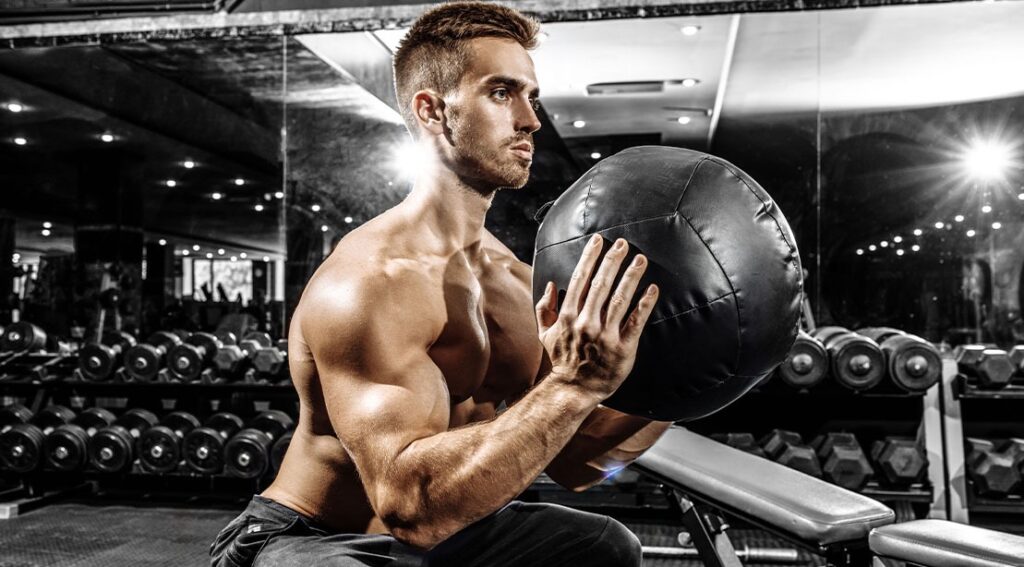
7. Backward Medicine-Ball Rotation Toss
You’ll spot this occasionally in athletic training rooms, but it’s rarely needed. The movement asks your spine to twist backward at high speed, which isn’t something the body is built for. When done forward or sideways, medicine-ball throws powerfully train the core and improve rotational strength. A coach will almost always redirect you because backward rotation offers no real performance benefit.
Shopping King Louie
Shopping King Louie
8. Seated Leg Extension
Many people sit at this machine when they want to isolate their quads. The problem shows up when heavy weight is used, because the knee joint takes the load in a way that doesn’t match natural movement. This can be useful in rehab settings under supervision, but not as a go-to strength move. Squats or lunges build stronger quads with better joint control.
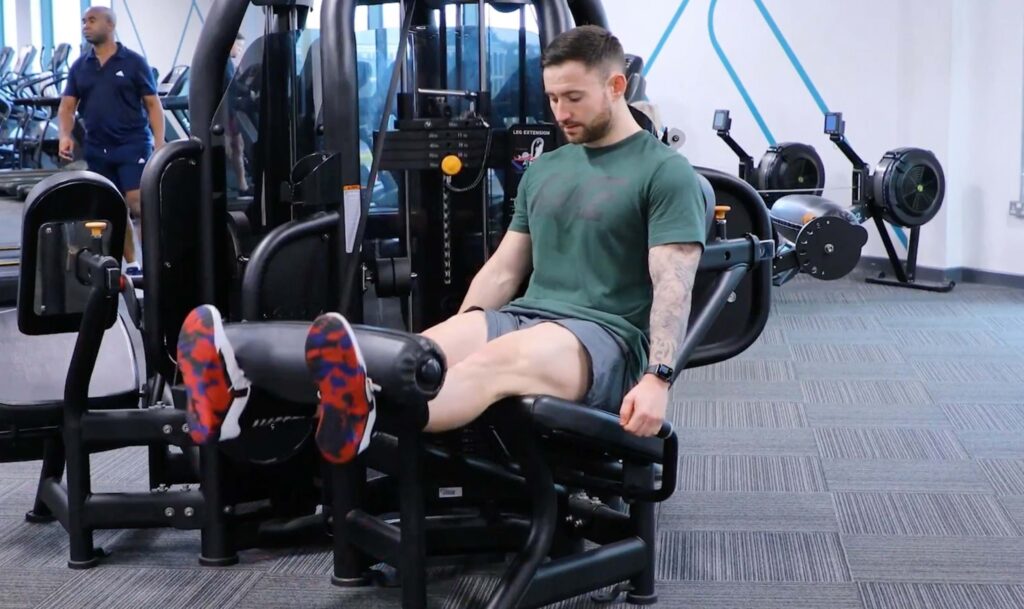
Via Pure Gym
Via Pure Gym
9. Pull-Up
Pull-ups are great for upper-body strength and lat activation, but only when you can keep your ribs down, core tight, and elbows leading the pull. Without that, many people shrug and let their traps or chest take over. Doing it with a band or trainer keeps your form honest and helps the lats actually learn to fire. When mastered, the pull-up improves posture, grip, and back strength.
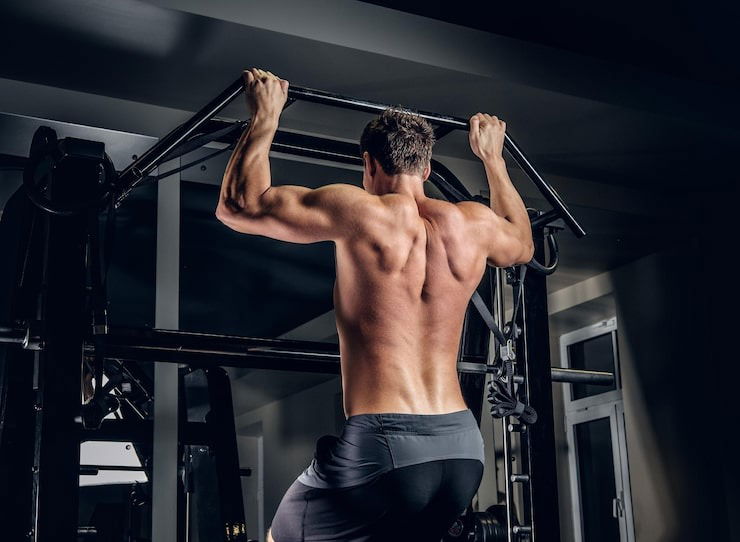
Freepik
Freepik
10. Preacher Curl
People use this station to focus on the biceps, but the setup locks the body into a position that removes core support. The shoulder sits forward, which limits natural movement and increases strain. Under a coach’s eye, adjusting grip or stance makes curls far safer. Biceps curls done standing or kneeling build the same strength while keeping the rest of the body aligned.
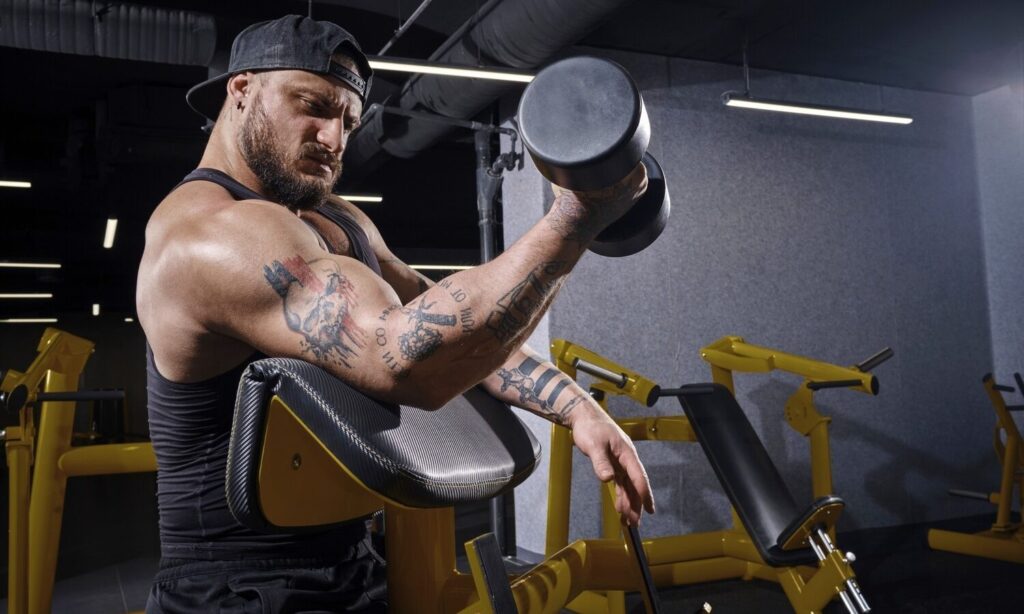
Nazarovsergey / Adobe Stock
Nazarovsergey / Adobe Stock
So when are you trying these exercises with your trainer? Tell us in the comments section.
Written by

Amanjeet Singh
Edited by

Joyita Das